
Now that we’re at the end of summer, I thought it’d be a great time…
What You Can Do to Prepare for Travel Mishaps
I know lately it seems like traveling is getting more and more complicated. Deadly virus on a cruise ship. A whole airline going bankrupt and closing down seemingly overnight. Shifting political tensions every other week. Price hikes across the board. For many, it’s as though booking that summer vacation to Italy no longer seems worth it.
However, I’d like to provide a different perspective, especially as someone who has been traveling for the last three decades now:
There are always going to be external stressors that can affect a trip. I know if you go off news headlines and the Internet, it feels like we’re constantly in the end of times but let me just say… there’s always been something. The best we can do as travelers is to be patient and to try and prepare ourselves as much as possible before we go.
Here’s what I recommend:
Ways to Best Prepare for Travel Mishaps
Consider a travel agent.
One of my best pieces of advice for this day and age is to utilize a travel agency! Gone are the days of fuddy duddy travel agents in tweet suits who sit in offices and just try to sell you unimaginative packages. These days travel agents range in age and experience! And not only are they able to help you book a trip entirely customized to you, they have access to deals and discounts you don’t.
Plus, they have a ton of experience planning trips and accounting for all sorts of potential disasters. If something happens on your trip, wouldn’t it be much better to talk to a person you trust instead of banging your head against a wall as an automated voice makes you press ten million buttons just to talk to a human being?

Book everything as directly as possible.
If you don’t go the travel agent route and prefer to plan and book everything yourself, I’d then recommend booking everything as directly as possible. Skip over third party booking sites and book right on your airline or hotel website. Not only will they be able to help more easily, I’ve heard many places will prioritize direct reservations over third party reservations.
Get travel insurance and double check what it covers!
Never, ever travel without some sort of travel insurance. I would also make sure you check what it covers. If you’re worried about storms or flight cancellations, get insurance that directly addresses what they’ll do in those scenarios. It really depends on where you’re going and what you want to ensure, but two good places to start are Allianz and World Nomads.
Save all important numbers beforehand.
Take about 15 minutes to go through and save every important number you could possibly need to access in a panic:
- Local embassy or consulate emergency line
- Hotel phone numbers
- House or pet sitter at home
- Local police
- Airline emergency help line
- Credit card help line
- Primary physician’s number
And, of course, I’m assuming you already have everyone in your group’s numbers as well as emergency contacts back at home!
Enroll in STEP and keep an eye on news reports.
STEP is the US State Department’s Smart Traveler Enrollment Program. This program puts you in a database that allows the State Department to contact you or reach you more easily in an emergency situation.
I’d take it a step further and also just keep an eye on news reports. Chances are you’re traveling somewhere relatively safe but you never know. For example, many countries in Europe especially might have mass protests during your trip. And while your life likely won’t be in danger with a protest going on, you might have to rearrange some plans or readjust your expectations.

Sit down and make Plans B-Z well before your trip.
One thing I always tell people to do is to write out your potential Plan Bs when you’re planning your trip and things are relatively peaceful. You want to have everything outlined when you’re in a calm state of mind rather than scrambling to figure things out while things are going wrong.
Save what you can offline.
Save what you can offline so if you run into a situation where you don’t have wifi or cell service, you don’t have to worry. I’d mainly recommend saving your preferred navigation map app offline so you’re never truly lost!
Have an airport strategy.
I have a whole post outlining my approach to navigating any airport, but I’ll remind you here as well. Having an airport (and, for that matter, train and bus station) strategy will alleviate a lot of stress. Simply knowing how to get from airport arrival to terminal gate makes any trip that much smoother.
Bonus: When I leave an airport, I always make note of its layout for when I come back in!
Make note of any unique quirks of your destination beforehand.
A good way to be prepared is to be aware of what I like to call unique quirks a destination may have before going. No need to make a faux pas, or worse, break a law you didn’t know existed as soon as you touch down. These quirks can range from cobblestone streets that will tear up your sandals to laws about dress code and religious practices.
Heck, if you plan on driving somewhere new, there are a ton of things to be aware of even if they drive on the same side of the road as you. For example, did you know there are whole zones in Italy you can’t drive through? Or that speeding in Norway is so prohibited, the fines can be in the thousands?
Either way, take a minute to review different guides so you can plan accordingly.

Do not travel without some sort of financial safety net.
Never put yourself in a situation abroad that means money will be the main stressor. We should all have an emergency fund as a general rule of thumb but I’d also have an emergency travel credit card on hand just in case. It’s not the best answer but it’s better to worry about charges later than in the moment when you’re trying to rebook a flight or find somewhere to stay at the last minute.
Prep your house and plan for delays.
I have a checklist of things I like to do before leaving on a trip, and one of them is planning for the off chance that my return may get delayed by a few days. I make sure someone nearby has keys so if they have to get in quickly, they can. I clean out the fridge as best as possible so nothing goes bad or causes a mess. I’ll unplug everything I can and double check bills are paid or automated before I go. I don’t have pets myself but if you do, check that your pet sitter can potentially stay an extra night or two past your set return date.
Just little things to note so the state of your house isn’t on your list of travel mishap stresses.
Travel with a small first aid kit.
And make sure you include plenty of N95 masks. I think COVID taught us all that we can’t exactly control a pandemic but there are plenty of things we can do to mitigate its danger and protect ourselves. Have a first aid kit handy with everything you could potentially need (food allergies, regular allergies, food poisoning, cuts and bruises, sprains…). Sure your cruise and hotel will probably have something on hand and there are usually pharmacies everywhere, but it’s better to have your own as well. Not to mention, if it’s some sort of virus or food poisoning that affects a lot of people at once… you might be standing in a long line to get what you need!
Pack as lightly as you can.
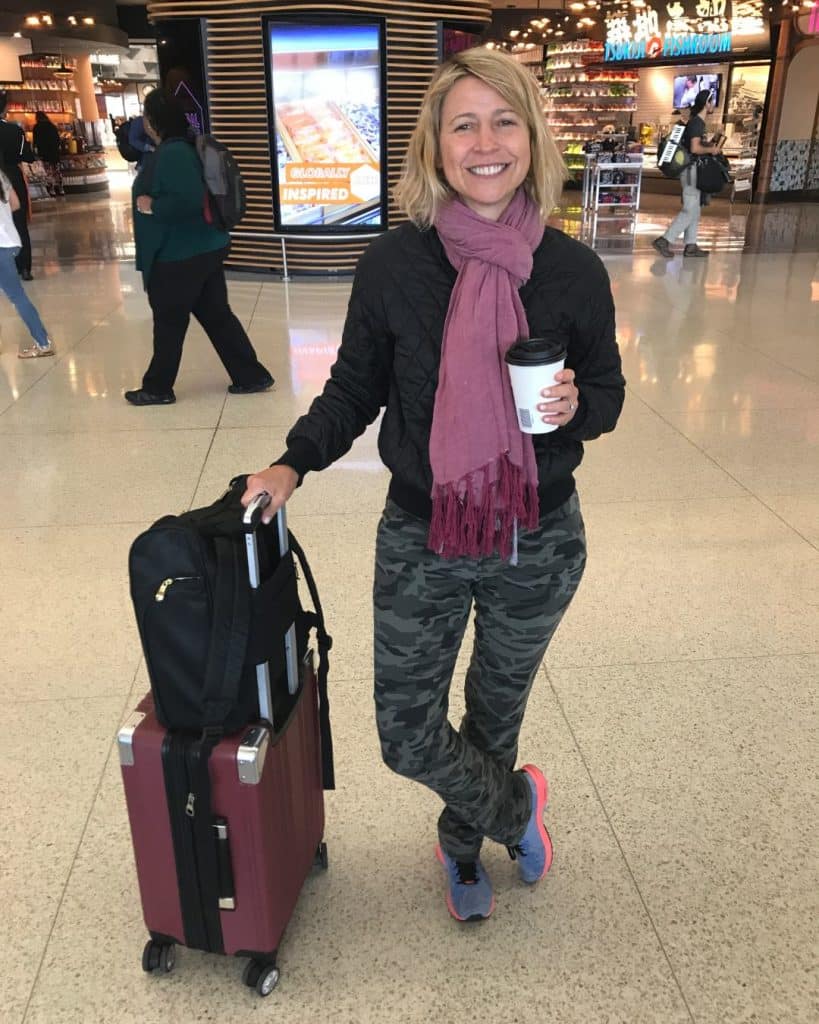
Let’s just say it’s a lot easier to navigate an emergency travel situation with a carry-on and a tote bag than packing to your max allowance.
And, a reminder, leave all valuables behind!
Leave everything valuable like jewelry or designer goods at home. It’s just one less thing you have to worry about while on your trip. You can avoid a situation where you accidentally leave behind your engagement ring at a hotel by never bringing it to a hotel in the first place!
Remember – better to be safe than sorry.
And as my last piece of preparation advice… it is always better to be safe than sorry. There’s no need to take unnecessary risk even if you’re on the adventure of a lifetime as an intrepid traveler discovering new land. Trust your gut and know that FOMO is a much preferable acronym to RIP.
And there you have it, my advice on how best to prepare yourself for potential travel mishaps! Anything else you’d add? Let me know!
Comments (2)
Leave a Reply
Related Posts



This is such good information. I was planning on going to Europe in the fall, but have been holding off on booking anything at the moment. I was considering speaking with a travel agent (as I did back in the day) and now I will after reading this post. Thank you:)
My best advice for planning for unexpected issues when traveling is to download and use the app for your airline. It is much easier, and faster, to rebook flights that are cancelled or know about gate changes and time changes. We were in Ireland a few years ago and my husband contracted COVID. At the time, we were unable to continue with our tour group and had to unexpectedly fly home. I had our two flights rescheduled and we were checked in on the app before my husband ever got through to a human on the Customer Service phone number. That saved a ton of stress, in an already stressful situation.