
Now that we’re at the end of summer, I thought it’d be a great time…
How to Navigate Public Transport When Traveling
There is nothing more terrifying and more empowering than mastering public transport in a new destination! It’s kind of like driving. After one or two times, the experience is second nature. But the lead up? Nerve wracking! Just like you don’t want to be the person causing a traffic jam on the highway as a new driver, you don’t want to be the person holding up a subway train as you hop aboard for the first time.
But, wow, there really is that huge sense of accomplishment when you find yourself successfully shuffling within a crowd of regular commuters and even finding a seat.
While every city and country seemingly has their own methods, there are a few universal tips that will make even the most nervous traveler more confident as they take their first ride!

Tips for Navigating Public Transport
Look up what public transport options a destination has.
Always best to start with the basics. Wherever you’re going, see what public transport options they have, and if locals actually recommend using them. Some places have a bus system but it’s so infrequent or unreliable, it may not be worth trying to use. Others may have different trains depending on zones of the city and surrounding metro area. And, on top of that, each method may be operated by a different company which means they all require something different!
For example, in NYC most visitors will only have to worry about the MTA, which runs the subway and bus system. However, if you’re coming in from one of our three main airports, you’ll also have to deal with AirTrain JFK, AirTrain Newark, or LaGuardia Link, which will require separate payment. Luckily for NYC, Google Maps is pretty straightforward and everything is credit card tap-friendly, so you don’t have to worry too much about doing everything perfectly.
Use Google Maps as a starting point but be prepared to not rely on it.
As I mentioned, Google Maps is pretty reliable 99% of the time but there’s always that one destination where it’s not quite accurate, and you’re left flustered or, worse, paying a fine. Check with local guides or recent visitors to see what they recommend using just in case.
Download any necessary transport apps before leaving.
Most public transportation companies have their own apps which will let you buy tickets, plan your route, and even check a live view to see if your bus is actually coming or stuck in one stop for hours. Usually these apps require you to sign up with a phone number, so it’s best to do it before you leave. A lot of international SIM/e-SIM plans won’t have a phone number attached.
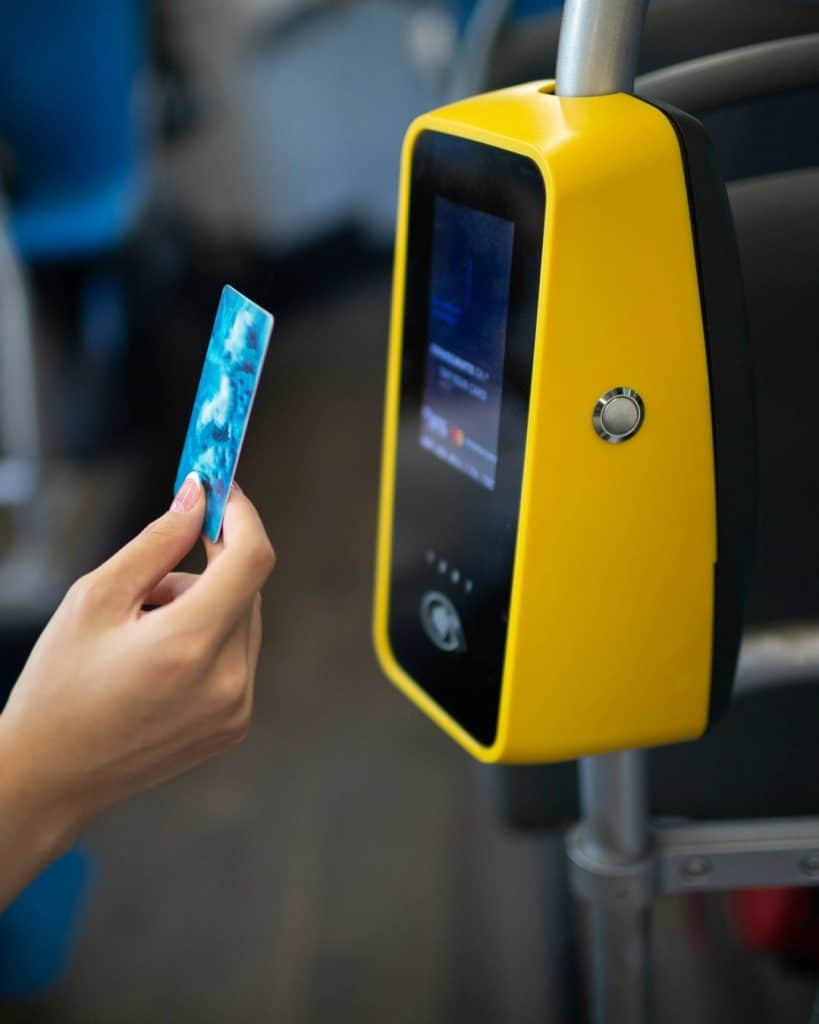
Check how to pay or how to buy tickets.
While many, many destinations have made it very easy to just tap and pay with your credit card or digital methods like ApplePay, there are still many that rely on ticket machines and/or their own apps. Plus some systems work in that you tap on and tap off while others only require you to tap on.
Even more confusing, some places (*cough* Italy *cough*) require you to validate your tickets. This means you can buy a ticket but you have to validate it on a machine when boarding so they know you’re not just using the same ticket over and over again. If you forget to validate, the fine is something like 60 euros, and they are not particularly sympathetic to tourists.
All to say, check guides before you go so you don’t have to budget in a fine after the fact.
See if it’s worth it to buy a day pass vs. pay as you go.
Many city tourism boards sell day passes that go towards attraction entrance fees and use of public transport. Depending on your itinerary, it may be a great deal to just get one of those passes instead of paying every time.
Look up recent guides on navigating specific places.
I always try to look for the most recent guides when looking up public transport tips for a specific place. Sometimes nothing changes for years and other times about ten different things change in less than a year. Maybe the bus system now has tap to pay but the subway system still doesn’t. Or they’ve added a completely new shuttle option from the airport that makes arriving and departing much easier. Heck, Paris became way more visitor-friendly for the Olympics to the point that getting in from Charles De Gaulle Airport is no longer a huge pain to figure out!
Check blog post publish dates, Reddit threads, and social media for the most up to date information.
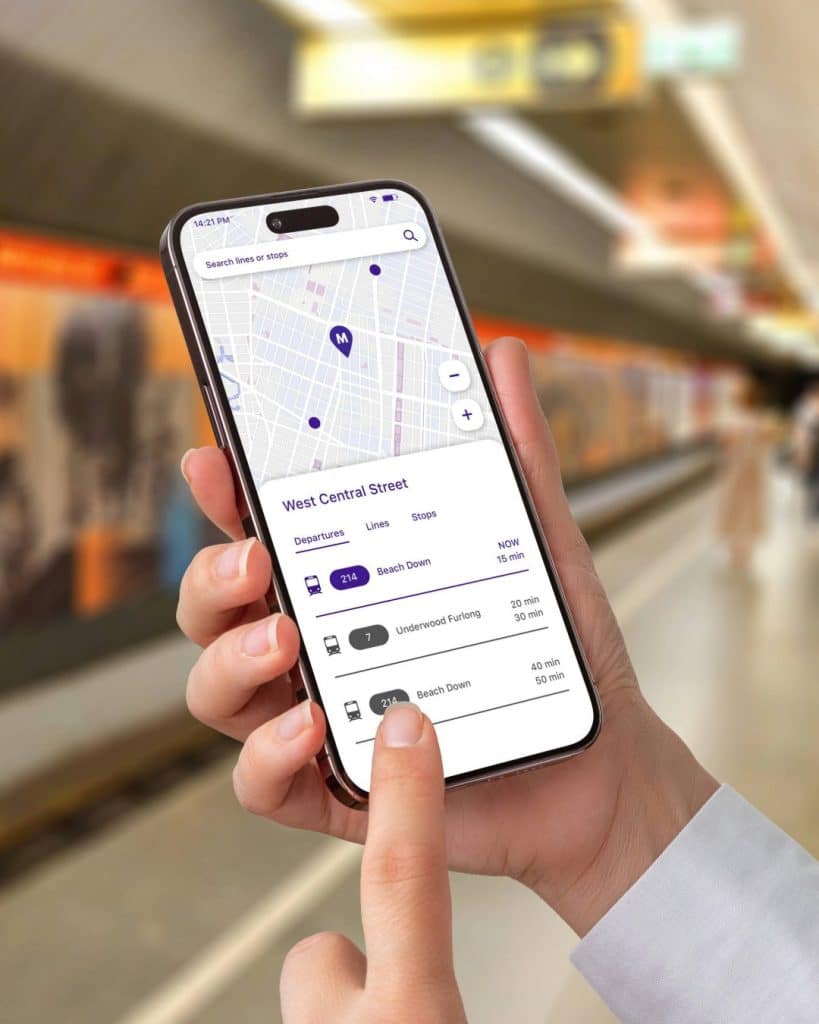
Double check recent news or conversations about public transport.
In addition to checking for recent updates a public transport system might have gotten, it’s also just good to check the news or recent conversations. Workers may strike during your visit, in which case routes could be significantly reduced. Or what was once a perfectly fine subway system could now be unsafe so while officially you can still ride it, most locals would strongly recommend against it.
Bring enough cash in small bills just in case.
You never know. Sometimes your phone dies while you’re out and/or you forget your credit card at home. Bring a few small bills for an emergency ride back to your hotel. And I say small because a lot of public transport won’t issue change so if all you have is the equivalent of a $20 bill on you… that ride is going to be significantly more expensive.
Know your back-up options.
I recommend this for all things but when it comes to navigating public transport make sure you have a back-up plan just in case. A subway line may inexplicably not be running or, heck, maybe you twisted your ankle and all of a sudden you don’t want to hobble up and down stairs. What rideshare options does your destination have? Can you get a taxi easily or is there an app you need to find one? Like I say, make Plan B, C, and D now rather than in the moment when you’re more panicked.
Watch videos if you’re truly nervous about navigating.
Honestly, travel stress is real and as silly as it may seem to some, getting from Point A to Point B on a bus you’ve never used before may be a real source of anxiety! I find there are a lot of videos or step-by-step photos that you can virtually follow no matter where you’re planning to go. And, hey, it may even be helpful to see the signs and learn to read a few important vocabulary words if you’re also going somewhere where the language isn’t English.
Keep basic safety in mind no matter where you are.
As always, keep your wits about you and practice basic safety! Keep your bag in your lap and not up the shelf or open on the seat next to you. Don’t engage with anyone behaving out of the norm and don’t be afraid to get off and move cars if needed. Keep at least one earbud out so you can hear what’s happening around you as well. You know the drill!

Remember to take a deep breath, and don’t be afraid to ask for help!
Remember many locals probably take this transport at least twice a day most days of the week. If you’re confused, look for someone who seems even mildly friendly and just ask! Say, “Hey is this train going to X stop?” Or if you’re using a bus, when you get on, check in with the bus driver. Depending on where you are and how busy the bus is, the driver may even remember to tell you when to hop off.
Just take a deep breath and know that with the preparation I outlined above, you’ll be fine no matter what happens!
Any tips you’d share for someone navigating a new public transportation system? Or even better, a story to tell of your own mishaps? Let me know below!
Related Posts




Comments (0)