
I’ve only been to Bologna once, but it left a huge impression. The first time…
How to Plan a Trip to Hong Kong: One of Asia’s Most Dazzling Cities
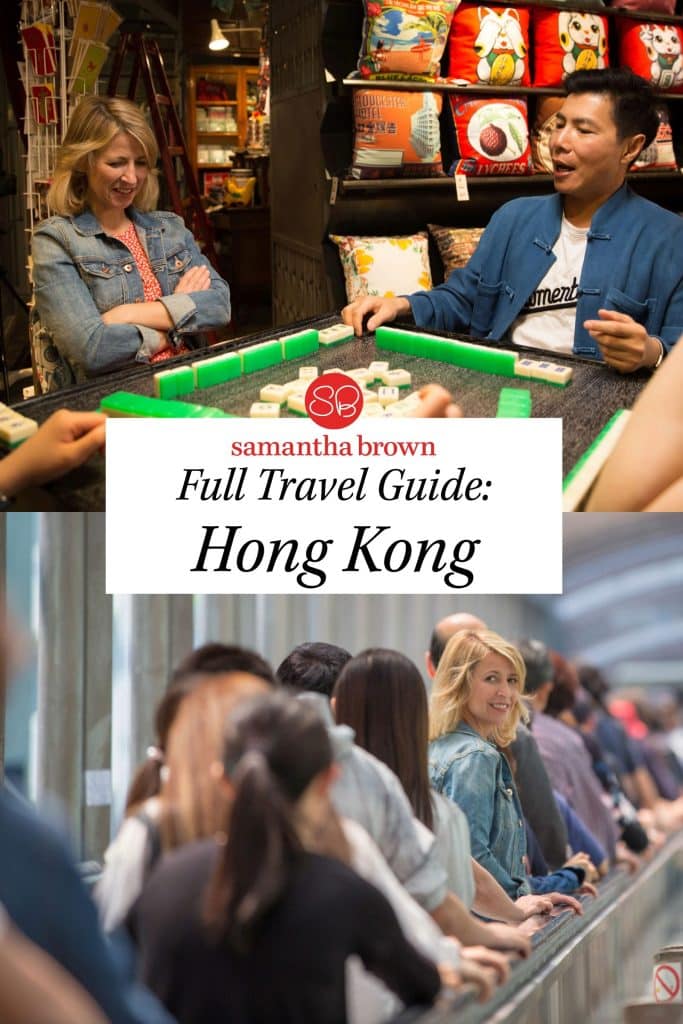
Is there anywhere quite like Hong Kong? Dazzling is truly one of the best words I can think of to describe it. As soon as you step out on the streets, your senses are overwhelmed in the best way possible. I loved getting to film an episode here and dive into what makes this bustling, modern city so charming! If you’re planning a trip, here’s all you’ll want to know below.
Watch the full episode of “Hong Kong”
How to Plan a Trip to Hong Kong
When to Go
The Best Time: October – December
This is the best time period since there are no major holidays to impact your trip, and the weather is fairly mild (for Hong Kong at least).
The Worst Time: June – Early September
The worst time is probably in the summer months when it’s monsoon season. You’ll either have blistering hot days with 100% humidity or intense rainfall, maybe even a typhoon. In fact, this most recent summer saw more rainy days than it did sunshine.
Holidays to Note
The two big holidays you want to be mindful of are Chinese New Year and the Mid-Autumn Festival. The exact dates are different every year, but the New Year falls around January or February and Mid-Autumn falls around September or October. While most tourist-related places will stay open, some smaller businesses and shops might be closed for your stay. On the flip side, you’ll get to see Hong Kong at its most festive, so if you do travel around either of these holidays, see what parades and events may be going on!
Good to Know
Hong Kong History & Culture
Once you arrive in Hong Kong, you’ll notice pretty quickly that the city is somewhat a mix of influences, and thanks to its former role as a British colony, it has a very East meets West culture. The area we know today as Hong Kong, became a part of China during the Qin dynasty all the way back in the 214 BC. Because of that, it’s also gone through all the different dynasties and conquests China has gone through. Then the Portuguese came in 1513 and established their permanent lease of Macau in 1887. The British took over in the 1800s and colonized Hong Kong all the way until 1997 when their own lease ended. It’s why you’ll come across a neighborhood called Prince Edward near one called Sham Shui Po.
Today, Hong Kong operates as a special administrative region of China in a sort of “one country, two systems” policy. It’s also become known as a global financial and economic center, and its name invokes images of towering skyscrapers, bustling streets, and restless energy.
Language
When you download your languages to Google Translate, make sure to download Cantonese first. Most Hong Kongers speak Cantonese then Mandarin and English.
Money
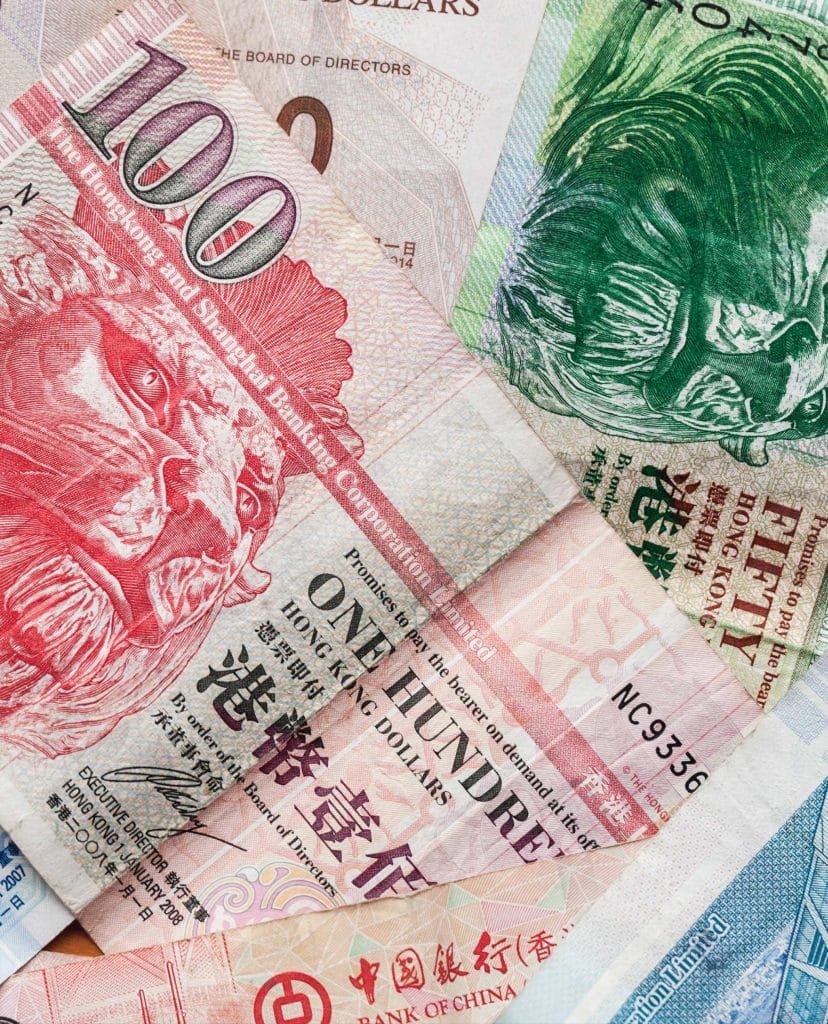
Although Hong Kong is very modern, your best bet is to take out HKD cash ahead of time and then get a physical Octopus Card when you arrive. Any convenience store like 7/11 or Circle K will have them for sale, and you can load them there or at any subway stop.
While a lot of places will accept regular tap-to-pay or digital methods like Apple or Google, there are still a lot of places that will only take cash or an Octopus card. This includes some buses. Just trust me; it’ll make your life much more convenient if you get one.
Also: there is an app, Octopus Card for Tourists, but I’ve read the exchange rate isn’t that great, so I’d still go with a physical card you load in person.
Safety
Hong Kong overall feels quite safe especially as far as major metropolises go. Just take normal precautions with your belongings. The thing I’d be most careful of is traffic!
Get Used to Being Close
Space is expensive in Hong Kong, so don’t be surprised if you’re standing or sitting closer to strangers than you’d normally feel comfortable with – especially in more local eateries and the likes. Chances are, you’re going to be sharing your tiny table with a stranger!
Getting In and Around
Getting In
There’s one main airport in Hong Kong – Hong Kong International Airport (HKG), and it’s on Lantau Island. It’s about an hour from the main parts of the city, so factor that in when planning on landing or departing.
Getting from the airport is really easy! Besides grabbing a taxi, you can take a bus to your hotel. Use Google or Apple maps to figure out which bus to take since the airport express may not always be the best option.
Getting Around
Always expect to go uphill or downhill in Hong Kong. While you can walk many places, you’ll find yourself on public transport sooner or later. As I said above, get an Octopus card, and rest easy knowing it’ll work on every single mode of transportation:
- Buses – there are a few different kinds of bus companies in Hong Kong. While Google Maps will tell you which one to take; you’ll want to download the HK Bus ETA app for actual accurate arrival times.
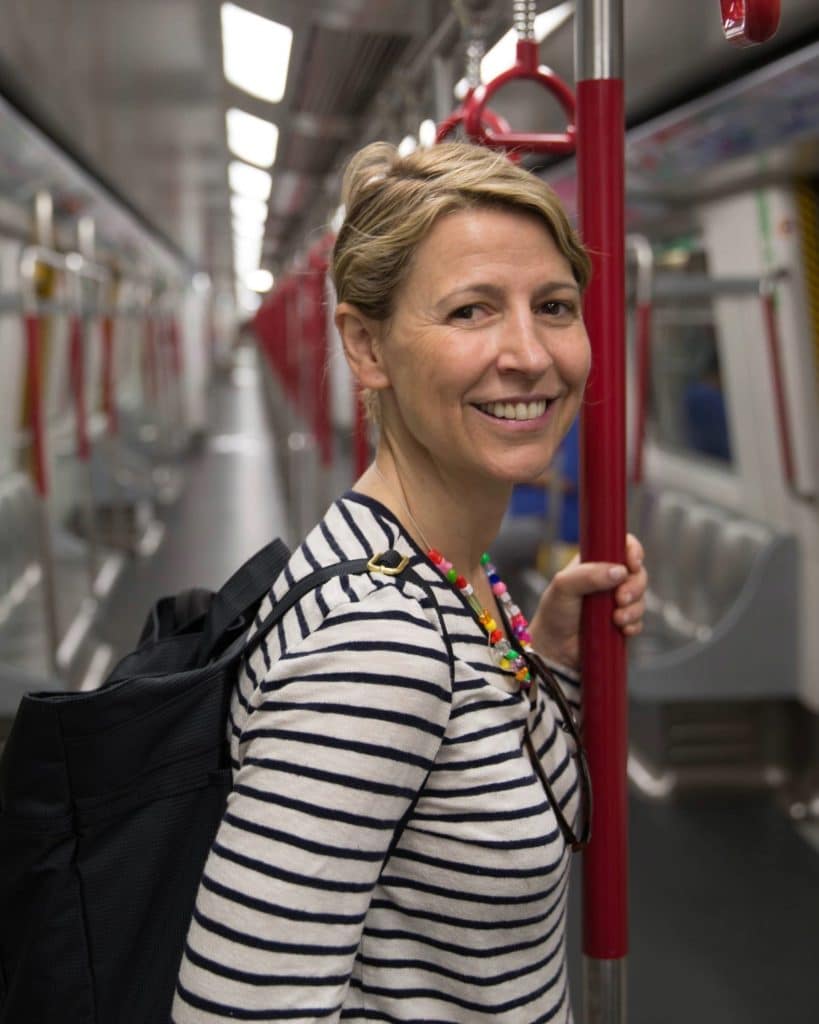
- Metro – the metro in Hong Kong is as easy to use as any other metro around the world; some would say even easier! They can be the most efficient but are definitely the least scenic option.
- Tramways – at least once while in Hong Kong, hop aboard one of their iconic tramways. It’s not the most efficient or comfortable (no A/C), but it’s a fun, historic way to do some sightseeing.
- Central to Mid-Levels Escalator – when you’re in Central on Hong Kong Island, see if you can hop aboard its escalator. At 800 meters (½ a mile), it’s one of the longest of its kind and a fun way to get around the area.
And of course, there are plenty of taxis all over the place! Uber also works in Hong Kong as well.
Where to Stay in Hong Kong
Hong Kong is broken up into three places; Kowloon Peninsula, Hong Kong Island, and New Territories. Stay in either Kowloon Peninsula or Hong Kong Island. You’ll likely spend time in both, so either place will work. I’d recommend staying closer to Victoria Harbour and getting a room with views if it fits your budget. When filming for “Places to Love,” we stayed at what’s now known as the Regent Hong Kong. It’s in a great location on the Kowloon side of the harbor!
Neighborhoods to Explore & Places to Go
Kowloon Peninsula
If you look at a map of Kowloon Peninsula, you’ll see Victoria Harbour at the bottom. The main neighborhoods to explore are kind of stacked vertically from there.
Tsim Sha Tsui
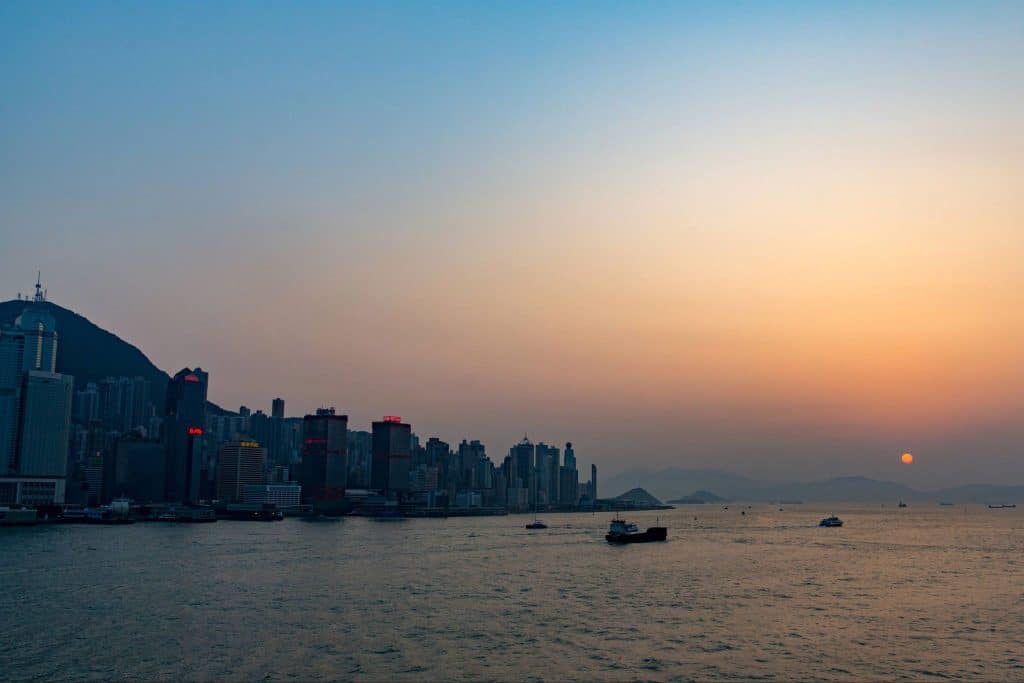
Tsim Sha Tsui borders Victoria Harbour and is a main tourist and shopping hub. I like to think of it as similar to midtown Manhattan. It’s where you’ll find just about anything you could ever want and where the high end hotels, boutiques, and restaurants open up their locations. It’s also where a lot of cultural landmarks and museums are. Some major points to check out:
- Avenue of Stars – where you’ll see plaques for all the who’s who of Hong Kong cinema along the waterfront, complete with a statue of Bruce Lee
- Most Major Hong Kong Museums – Hong Kong Museum of Art, Hong Kong Museum of History, Hong Kong Science Museum – you get the gist!
- Hong Kong Cultural Centre – Not only is it a cool venue for live performances, its architecture itself is noteworthy!
- 1881 Heritage – once the marine police headquarters compound and now an open air shopping mall
- K11 Musea – a high end shopping mall with art pieces all throughout. Just step inside and look up for a very cool view. It’s attached to the Regent Hong Kong if you’re staying there.
- Kowloon Park – a huge public park where you can see flamingos.
Most of the evening cruises around the harbor will leave from here as well!
Mongkok
If Tsim Sha Tsui is similar to midtown Manhattan, Mongkok is kind of like Lower Manhattan, especially LES or East Village of yore. It’s packed with markets, shops, trendy cafes, old school eateries, and the kind of bustling energy you’d imagine when you think of Hong Kong. There are so many notable outdoor markets here, it’s almost like each street is known for something. The big one to check out is the Ladies’ Market on Tung Choi Street and Sneaker Street, aka Nelson Street.
Prince Edward
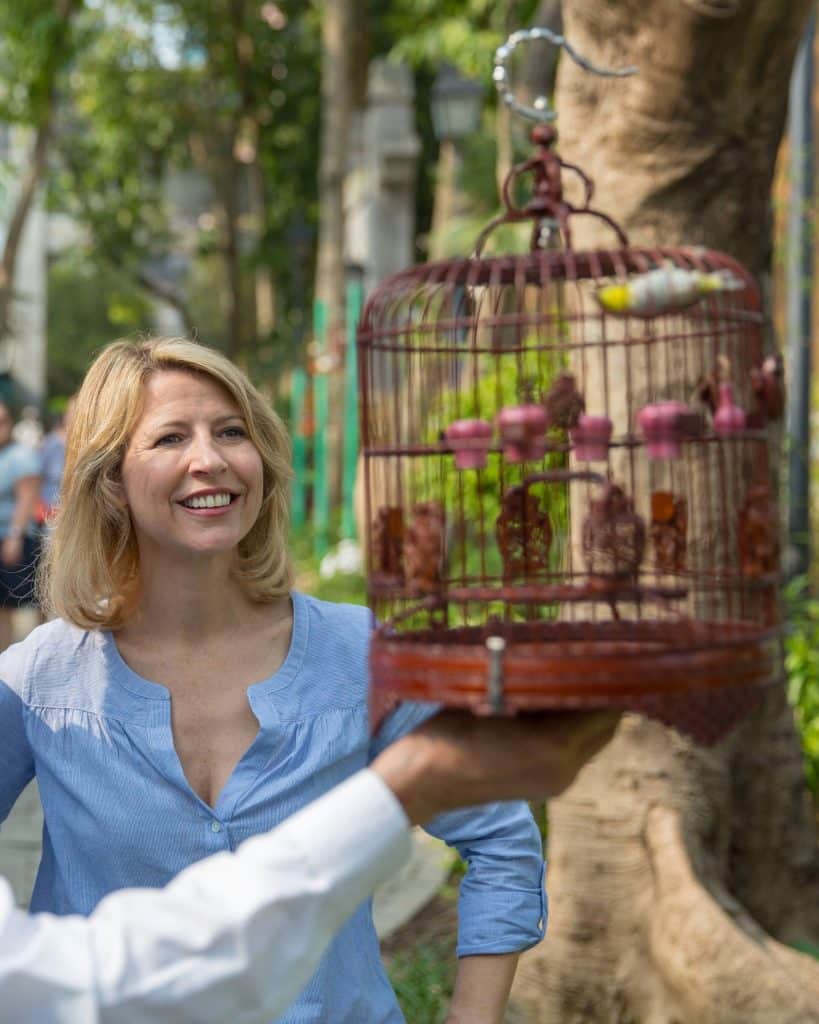
A small area in the northern part of Mongkok, I wanted to point it out separately to encourage you to check out the Yuen Po Street Bird Garden. It’s such a special spot for birding where people bring their pet birds for socialization. It’s a tradition that goes back 500 years and is just so charming.
Sham Shui Po
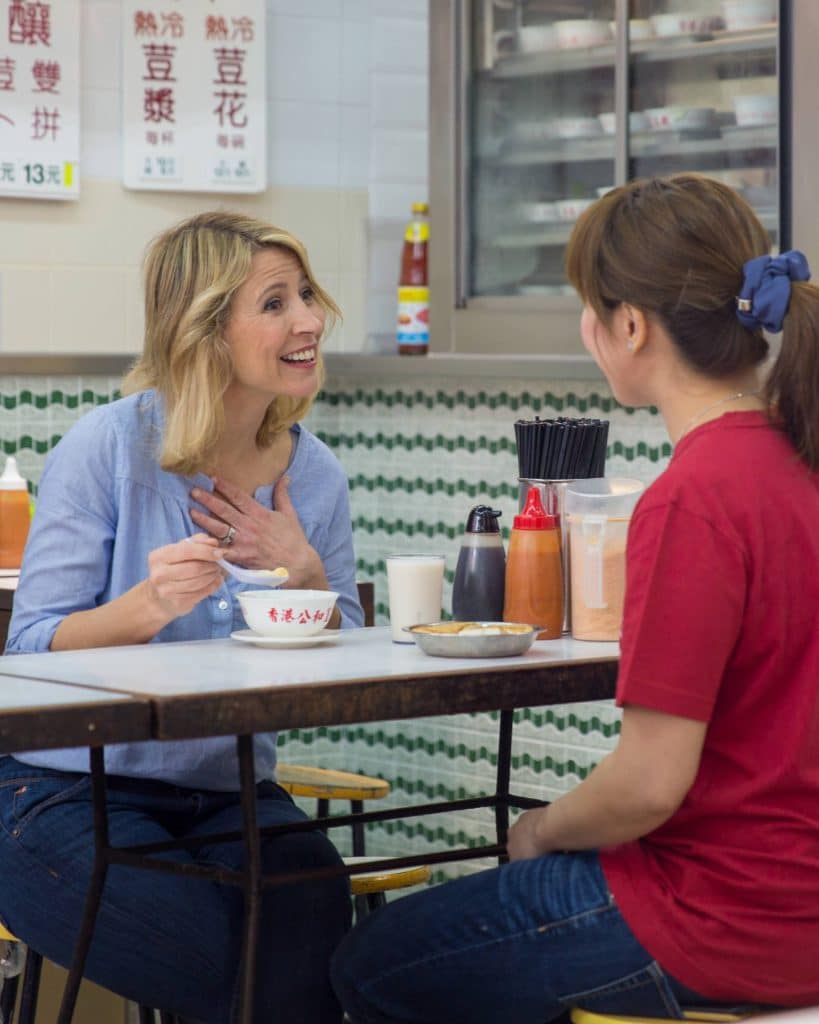
One of Hong Kong’s oldest neighborhoods, you’ll notice how different and more local things feel in Sham Shui Po compared to, say, Tsim Sha Tsui. The skyscrapers look older and more eclectic, and the streets are bustling with outdoor markets and vendors. Come here to stroll through the markets and stop in smaller cafes and eateries. If you only have time for one, check out Kung Wo Beancurd Factory. They’ve been around for over a century and specialize in all things tofu! I loved their tofu pudding; just be sure to top with a healthy dose of ginger sugar. (And don’t just take my word for it; they’re in the Michelin guide now!)
Hong Kong Island
On the other side of the harbor is Hong Kong Island. When it comes to visualizing the neighborhoods mentioned below, you want to look at the map from right to left or east to west along the harbor.
Central
Central is Hong Kong’s main business district and, like the name suggests, a good central point to help orient yourself. If you’re taking the metro to or from Kowloon, chances are you’re going to pass through Central Station. For a nice sightseeing experience, take the tramway from Bank Street to Kennedy Town.
For the most part Central is all businesses and skyscrapers, but it does have quite a few cool landmarks and shops you’ll want to check out.
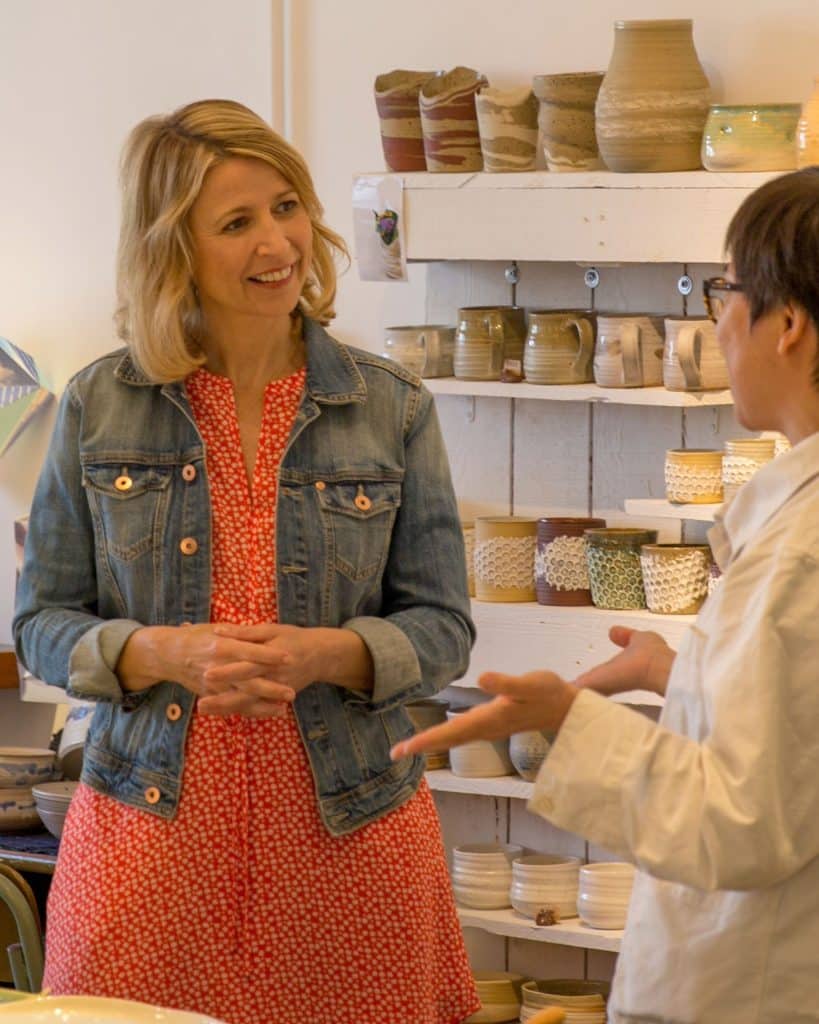
- PMQ – PMQ stands for Police Married Quarters, and this very utilitarian building was once just that – a home of apartments for married policemen! In fact, you can see a recreation of one of the homes when you visit. Today it’s been totally repurposed to host small businesses and designers with a few restaurants in between. Your best bet is to just start at one end, go down the hall, and then go up to the next level and repeat. Then cross over to the other side of the PMQ and do the same.
- Tai Kwun – this is a very cool cultural and heritage center built around the Former Central Police Station Compound. There are always multiple, thought provoking exhibits going on including one on the building’s history itself.
- Goods of Desire – If you’re looking for a fun, sometimes funky souvenir, check out Goods of Desire. The Central location has two stories and is jam packed with unique goods.
- Hong Kong Observation Wheel – a very fun wheel to ride for views of the city and harbor. Though if you only want one view, there’s a better one later on in this section.
- Central Market – for those that love food markets; this was the first wet market in Hong Kong.
It’s also supposed to be a really fun area for night out!
Sheung Wan
To the west of Central, I’d say Sheung Wan is kind of like Hong Kong’s Brooklyn. It’s hip and cool with lots of trendy cafes and shops sprinkled throughout with a local vibe different to the one found over in Sham Shui Po. Some notable spots:
- Man Mo Temple – a very cool temple right at the eastern edge of Sheung Wan that dates back to the mid-1800s. All are welcome; just be respectful of those there for religious worship.
- Cat Street – aka Upper Lascar Row; it’s a small street market for all things antiques and, you guessed it, their feline owners. (Just kidding, the owners are human, but you will see a number of cats helping keep watch!)
- Dried Seafood District – Come around Des Voeux Road or Wing Lok Street, and you’ll see a ton of different dried fish and medicinal shops. And, yes, you may still see some feline security guards as well!
Really the charm of Sheung Wan is saving a few spots and then wandering around. There are cool, little surprises tucked away in every corner.
Victoria Peak
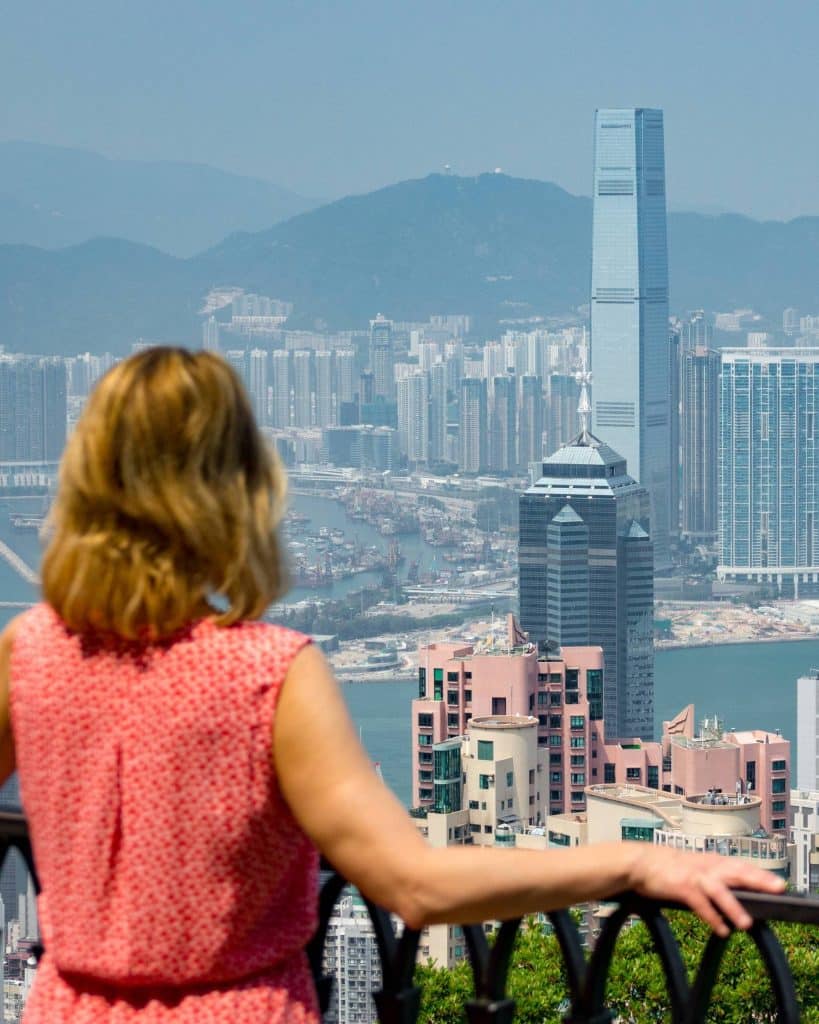
If you want the epic view of Hong Kong, you’ll want to go to Victoria Peak, or, as it’s known to locals, the Peak. It’s on the tallest hill on the island and has all those epic cityscape views you’ll see in images of Hong Kong. What’s funny is that it’s not just some observation deck or tower but a whole shopping complex. In fact, the whole area leading up is a residential neighborhood that was once where the European expats built their houses.
You can walk, take the historic Peak Tram, or get a taxi up to Victoria Peak. It’s quite a steep hike on concrete roads, so I wouldn’t necessarily recommend getting there on foot.
At top, there are multiple observation decks including a paid one. The best is either from the roof of The Peak Galleria or walking down and following Findlay Road to its different lookouts. Go towards sunset so you enjoy the views in the daylight and see the city absolutely lit up at night.
Ideas for What to Eat & Drink
The best thing to do in Hong Kong? EAT! This is a foodie city, and you really can’t go wrong wherever you go. Besides going to Kung Wo Beancurd Factory for their tofu goods, here are some other dishes and drinks to try:
- Dim Sum – Think all sorts of different dumplings and other dishes; best with a group of people so you can try more!
- Peking Duck – Though the dish originates in Beijing, it’s very popular in Hong Kong. It’s very succulent and delicious
- Macaroni Soup – for a real local experience, go to a cha chaan teng and order macaroni soup! It has a pretty neutral flavor and is probably not going to be your most memorable meal, but it’s worth trying at least once!
- Pineapple Buns – a sweet bun named so because it kind of looks like a pineapple!
- Egg Tarts – Hong Kong’s take on custard tarts and pastel de nata. Get them whenever you can and enjoy.
- Hong Kong-Style French Toast – another sweet treat worth trying! It’s also often served at cha chaan tengs and is a little different from a French toast you might be used to. In Hong Kong, they put two pieces of bread together with some sort of filling before dipping it into an egg mix to fry. It’s then served with condensed milk, syrup, or honey.
- Hong Kong-Style Milk Tea – As a tea lover, of course I loved getting to have Hong Kong’s take on milk tea every day I was here! They use Ceylon black tea and condensed milk to make theirs, both hot and cold, and it’s very tasty. I was a big fan of Tsui Wah, a no frills chain in Hong Kong where I could get some breakfast with my tea.
And I think that about does it, at least as far as beginner advice goes for a place as massive and complex as Hong Kong! Anything you want to add? Let me know below!
Related Posts


Comments (0)