
Whoever decided spring break was just for students? I say we all incorporate a spring…
Skip the Coast in Costa Rica and Head Inland for Green Season
Costa Rica may literally translate to “rich coast,” but on this most recent trip, I decided to skip the coasts and head inland. Since we were traveling during the green season, also known as the months between May and November when the country experiences heavier rainfall, I thought, why not embrace the wetter climate and see a whole different side of this country? Here’s all we have to experience, and what you’ll know if you head inland too.
Watch our “Northern Costa Rica” episode below
What You Can Do in Costa Rica if You Head Inland
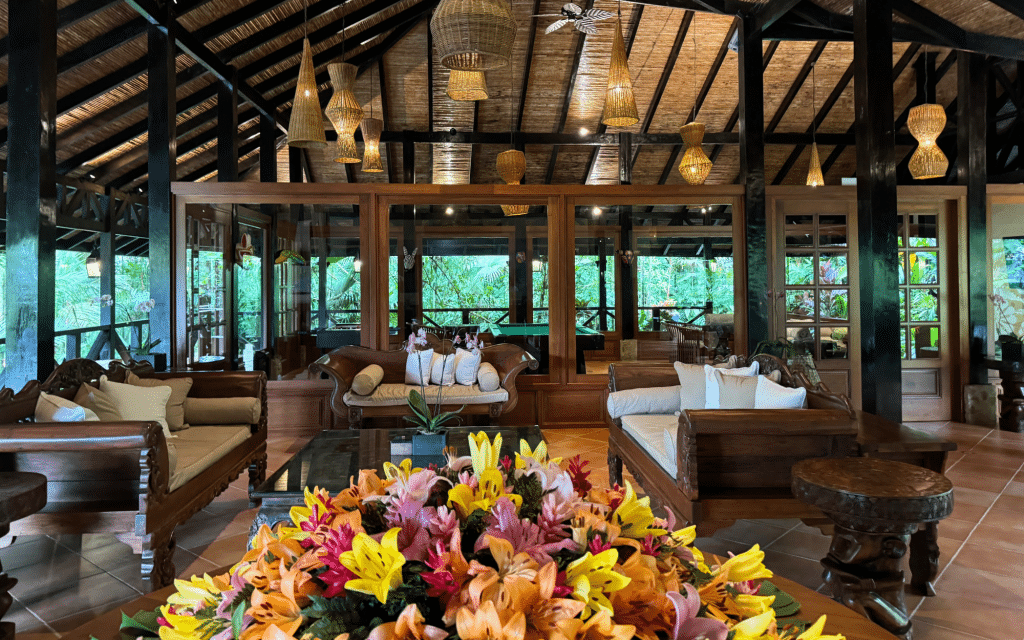
Experience the best in eco-luxury.
One of the things I love most about Costa Rica is that pura vida (pure life) isn’t just a catchphrase. They take their sustainability very seriously, and it’s probably one of the most organized and concerted efforts I’ve seen in all my travels. This even extends to their luxury hotel offerings, such as Hideaway Río Celeste. The whole resort is surrounded by rainforest, so you really do feel like you’re checking in and hiding away from the world for a relaxing escape. After you drop off your belongings at your bungalow, I strongly recommend taking a stroll around and taking it all in. You might even find a sloth hanging out right above you. And a bonus for green season visitors: because this is considered Costa Rica’s low season, you’ll find all sorts of deals to make things more affordable.

Plan to encounter waterfalls at every turn!
You don’t have to look too far or for too long to find a waterfall in Costa Rica, especially in the green season when there’s more rain. In fact, I found one simply driving to my hotel. And to make it even more fun, I was able to walk right behind it!
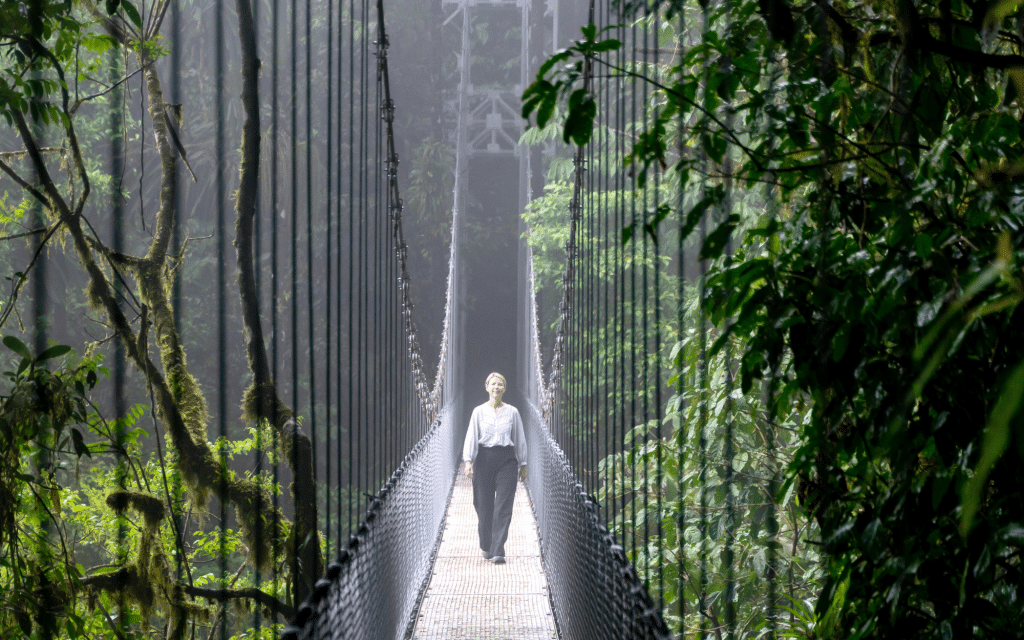
Get eye level with the trees at Mistico Park.
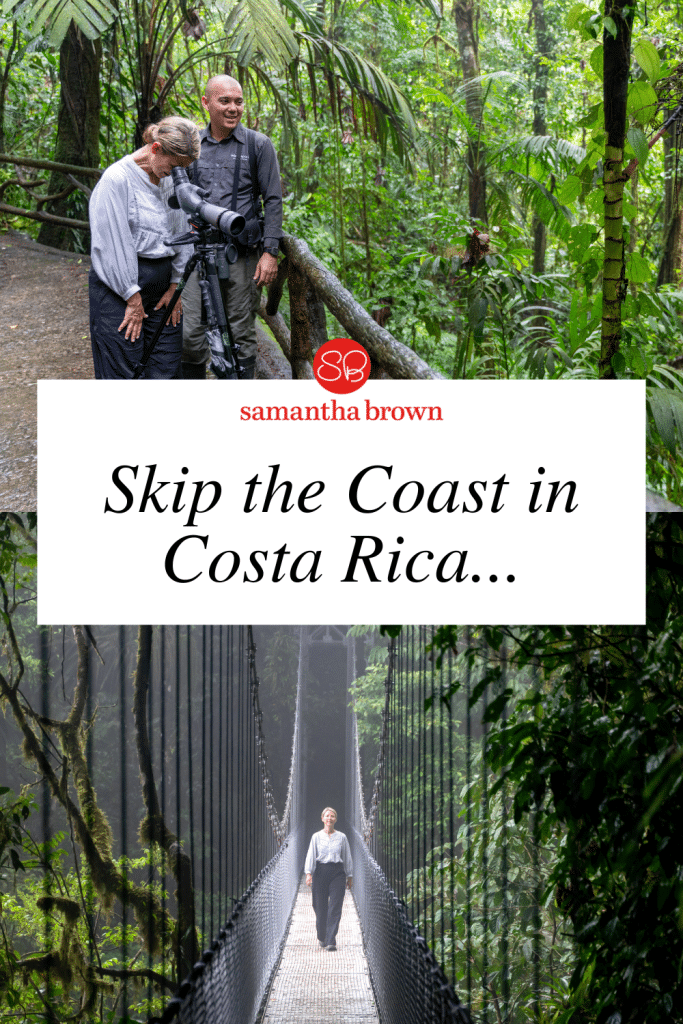
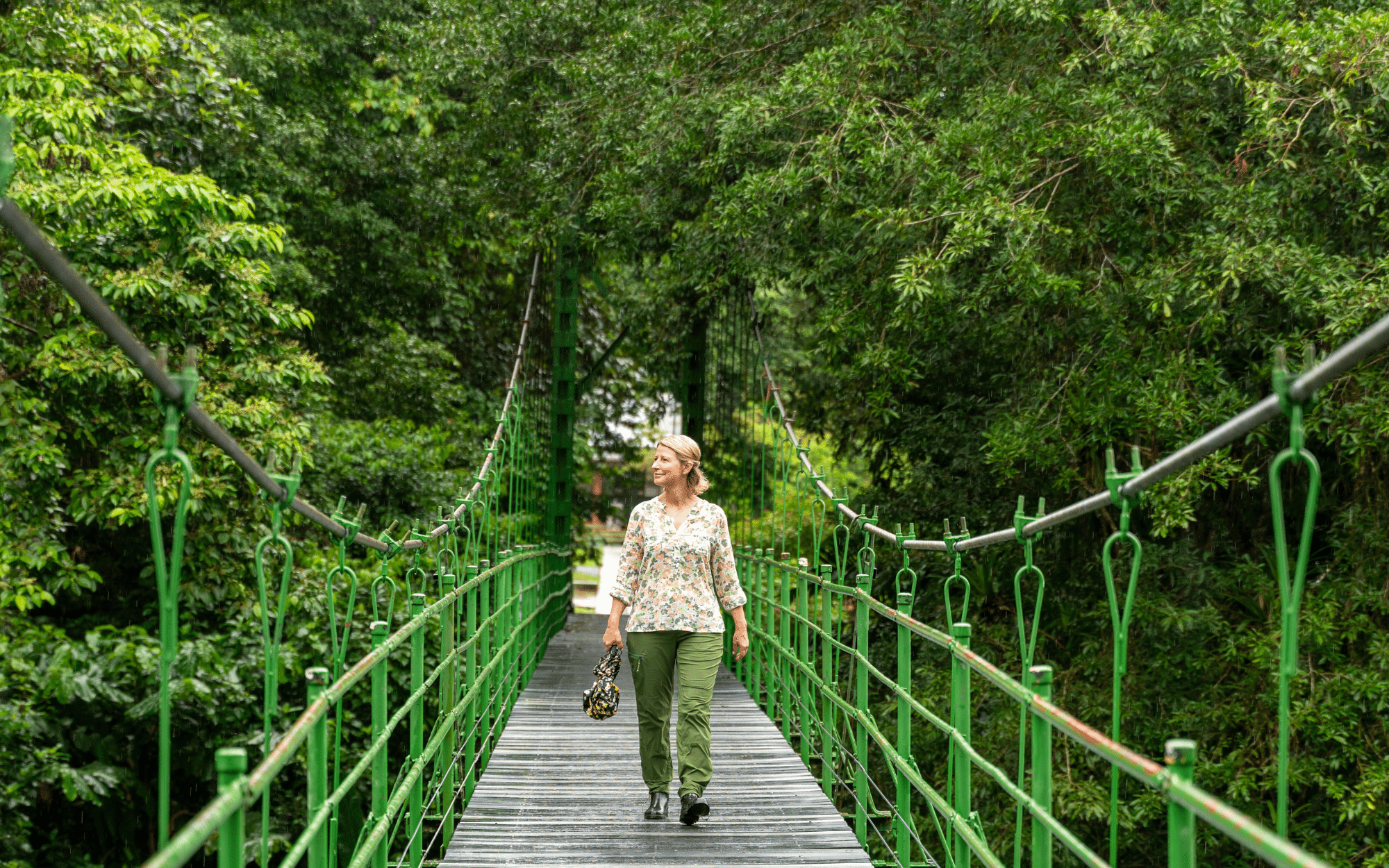
Always wanted to get lost in the jungle without, you know, the dangers of being lost in a jungle? Visit Mistico Park. During the 20th century, Adrián Castillo and Landelina Rodríguez Sánchez inherited the land and quickly recognized its importance in being kept protected and undeveloped. Decades later, the family worked with a development company to create a series of hanging bridges so that guests could explore the jungle without harming themselves or the surrounding environment (and its creatures!). Today, there are 16 different bridges, six of which are hanging. And the best part? The pathways are accessible to all! The entire system is step-free, features protective rails, and has non-slip concrete surfaces when not on the bridge.
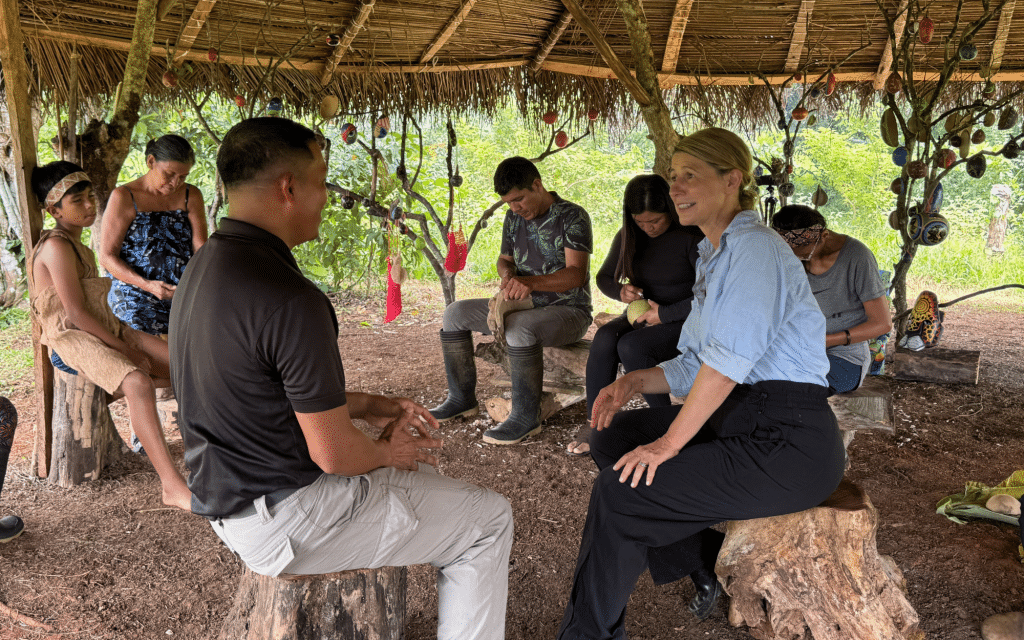
Meet Costa Rica’s smallest indigenous tribe – the Maleku.
If you’re curious about Costa Rica’s culture, join Onca Tours on their Tocu Marama Ú tour. They’ll bring you into the Maleku community, where you can learn more about their traditions and even partake in their Kajuli cacao ceremony. Despite being the smallest indigenous tribe in Costa Rica (with only 650 people remaining), they’ve worked hard to preserve their language, traditions, and spiritual practices.
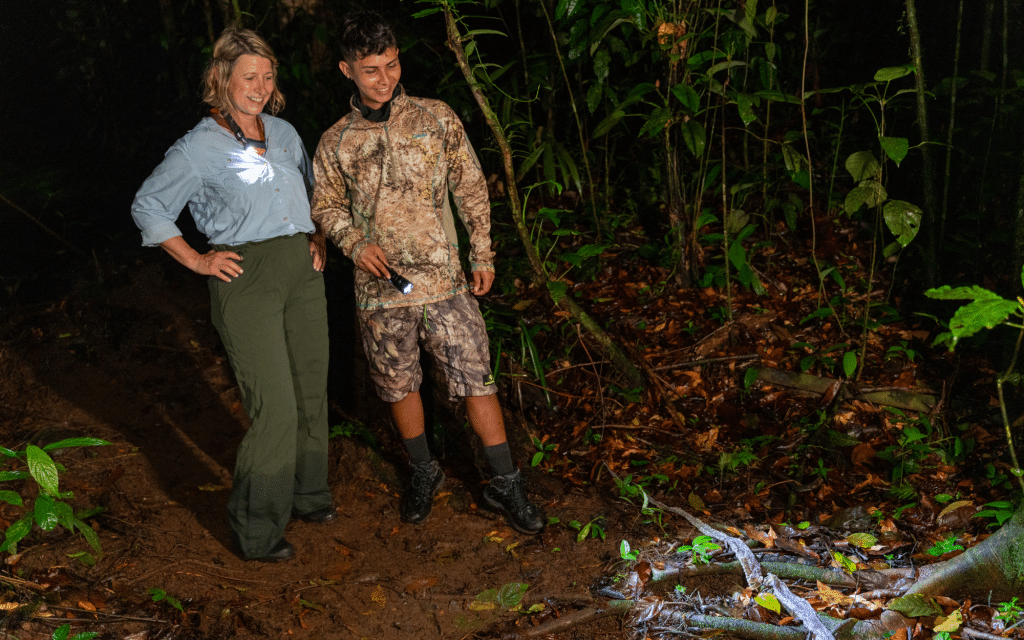
See the jungle come alive… at night!
Fun fact – 75% of Costa Rican wildlife is nocturnal. If you want to see as many creatures as possible, your best bet is actually to explore the jungle once the sun sets. Luckily, the sun sets by 6:30 PM year-round, so that most safaris will start around 7:00 PM. We explored with Rio Celese Wildlife Trails, and I’ve never been happier to be with a guide who knows his way around. There are no set pathways or trails, and it would be very easy to stumble into the wrong animal’s home!
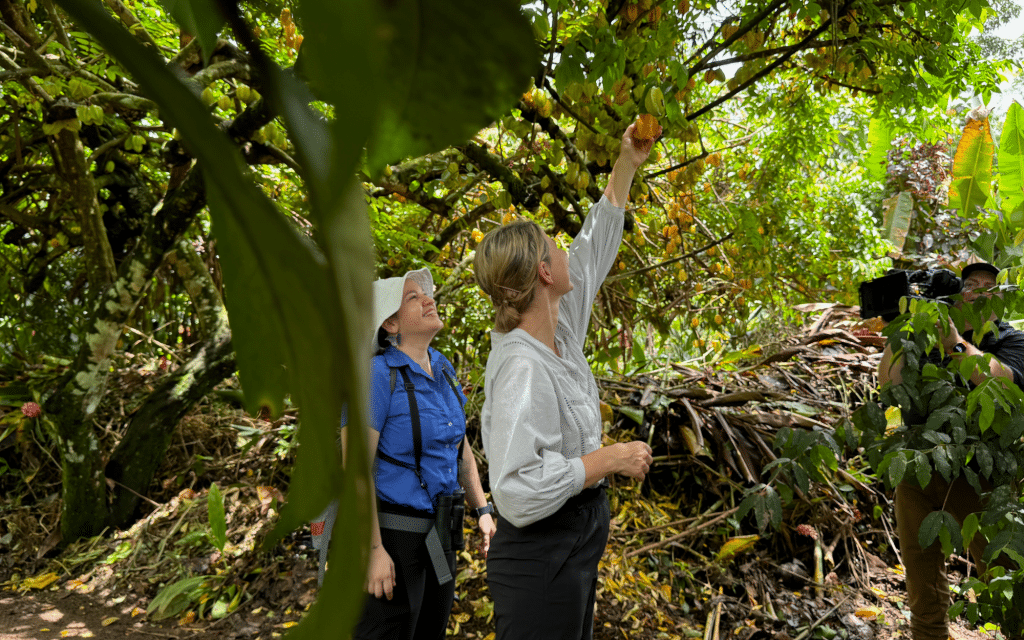
Discover what ‘organic’ truly means at Arenal Vida Campesina.
Plan to eat at least one of your meals at Arenal Vida Campesina. The mission here is to preserve what it means to be Costa Rican through organic farming, and they undertake a significant amount of work in both their farming practices and educational programs. I’d recommend joining their Campesina Dinner tour, which allows you to explore the grounds, sample sugar cane, and participate in preparing a traditional meal.
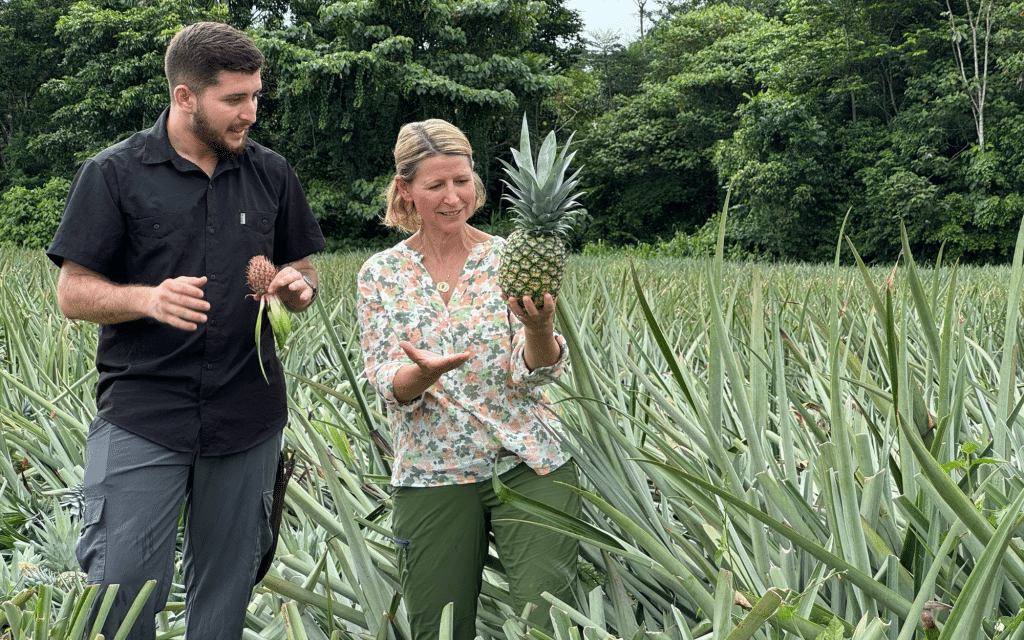
Sample some of the best pineapple ever.
While we’re on the subject of classic Costa Rican food, be sure to pay a visit to Finca Paraíso Orgánico for some of the sweetest pineapple I’ve ever tasted in my life! Not only is this country responsible for 75% of the world’s pineapples, it’s also responsible for 100% of organic pineapples. What I love about Paraíso Orgánico is that it’s family-owned and operated in a conscious manner. In a world where pineapple production can often be a source of environmental concerns, such as pollution and soil erosion, they’ve developed a sustainable program that benefits not only the pineapples but also the environment and their community. Don’t miss trying one of their pineapple drinks after your tour!
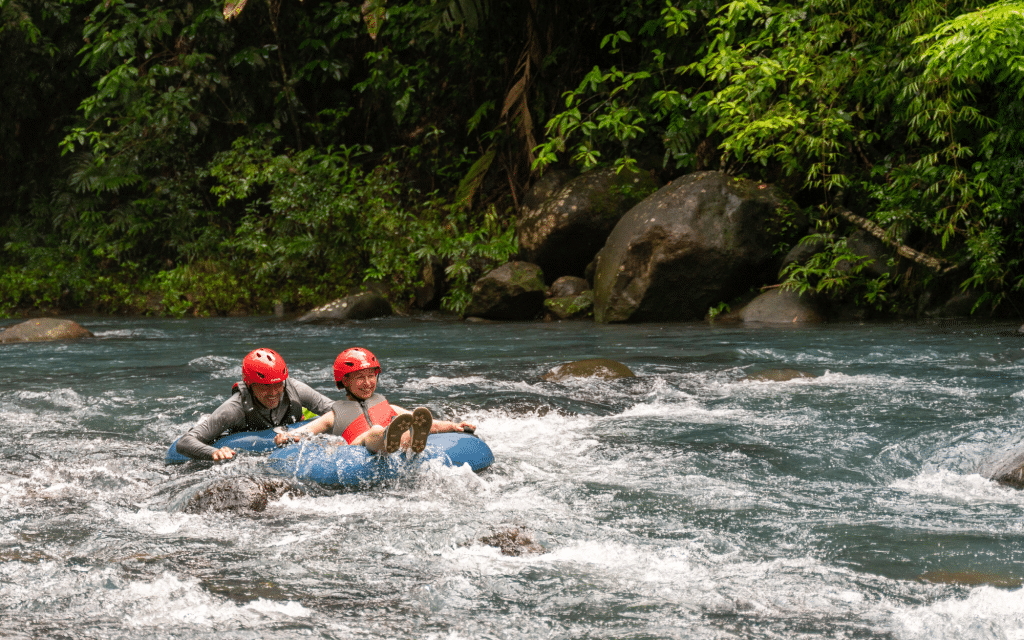
Get on the river in two different ways.
Despite not being on the coast, you’ll still have plenty of chances to get on the water. The first way is a bit calmer. Head to Río Sarapiquí and hop aboard an open-air boat for a more peaceful experience. Along the way, your guide can point out all sorts of creatures, and if you’re lucky, you may be able to see a Green Macaw.
For those looking for something more adventurous, head to Río Celeste and join a 4km river tubing ride! This is the longest option available in the country, featuring no less than 25 rapids. If you’re feeling extra adventurous, you can try Tarzan swinging right in the river as well.
And there you have it – just some of the cool things you can do if you head away from the coasts in Costa Rica and explore inland!
Any more to add? Let me know in the comments below!
Comments (1)
Leave a Reply
Related Posts


We stayed in La Fortuna for about five days after a week in Manuel Antonio which, itself, was disappointing. In La Fortuna we found a nature-adventure company, Desafio , with whom we went kayaking near the volcano on Lake Arenal. SO much better than the coast!!