
As I've gotten older, there's been such a shift in how I and my friends…
Every Single U.S. National Historic Site
Did you know that the U.S. National Park Service is divided into different types of parks? They’re known as official units, and the National Parks (like Yellowstone or the Grand Canyon) usually get the most press.
Today, however, I thought I’d highlight one of its lesser known units – the U.S. National Historic Sites! Both this and National Historical Park designations mean a place has particularly historic significance to American history. According to the NPS, the only difference is that historical parks tend to be larger and more complex than historic sites.
I thought it’d be fun to look at all 85 sites, so here’s every single one divided by state and territory!
Every Single U.S. National Historic Site
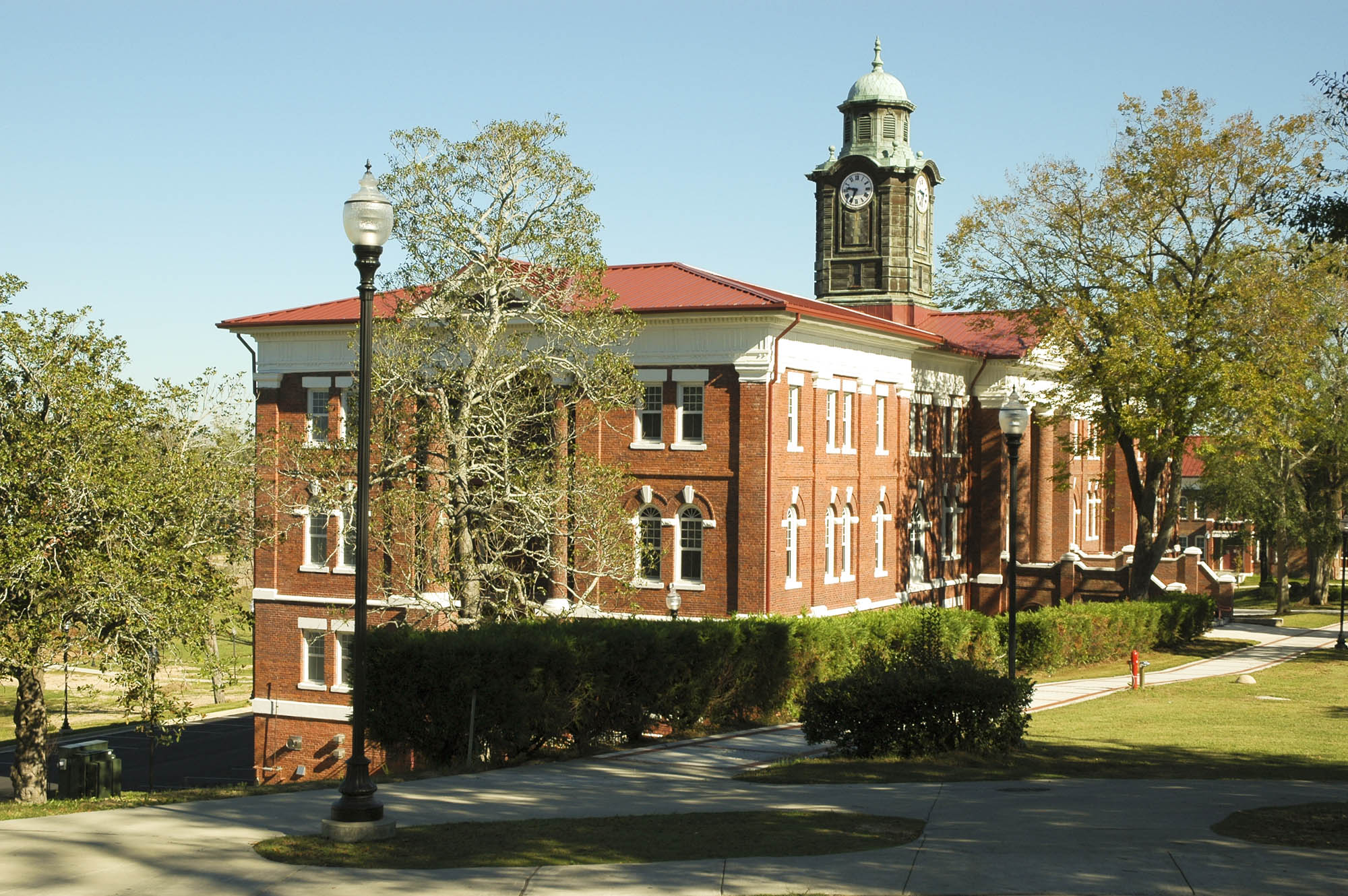
Alabama
Both historic sites in Alabama are dedicated to the Tuskegee Airmen. They were an extremely distinguished all African-American group of fighter (332nd Fighter Group) and bomber (477th Bombardment Group) pilots in World War II. Their name comes from TuskegeeUniversity where they trained.
- Tuskegee Airmen National Historic Site – Here’s where the airmen did their training, also known as Moton Field.
- Tuskegee Institute National Historic Site – This is the university itself! It goes back to 1881 and also includes landmarks related to Booker T. Washington and George Washington Carver. Fun fact – it’s still an active university today.

Arizona
- Fort Bowie National Historic Site – Ruins of a U.S. army outpost notable for its role in the Apache Wars and the surrender of Geronimo in 1886. While you’re here, visit the Chiricahua National Monument, a series of balanced rocks and hoodoos.
- Hubbell Trading Post National Historic Site – The oldest continuously operating trading post on Navajo Nation and in the American Southwest. It’s also a somber reminder of the Long Walk of the Navajo.
Arkansas
- Fort Smith National Historic Site – (Also in Oklahoma), this fort once held the U.S. District Court for the Western District of Arkansas, which had jurisdiction over what was then known as Indian Territory. Its notoriety, though, comes from its role in the Trail of Tears.
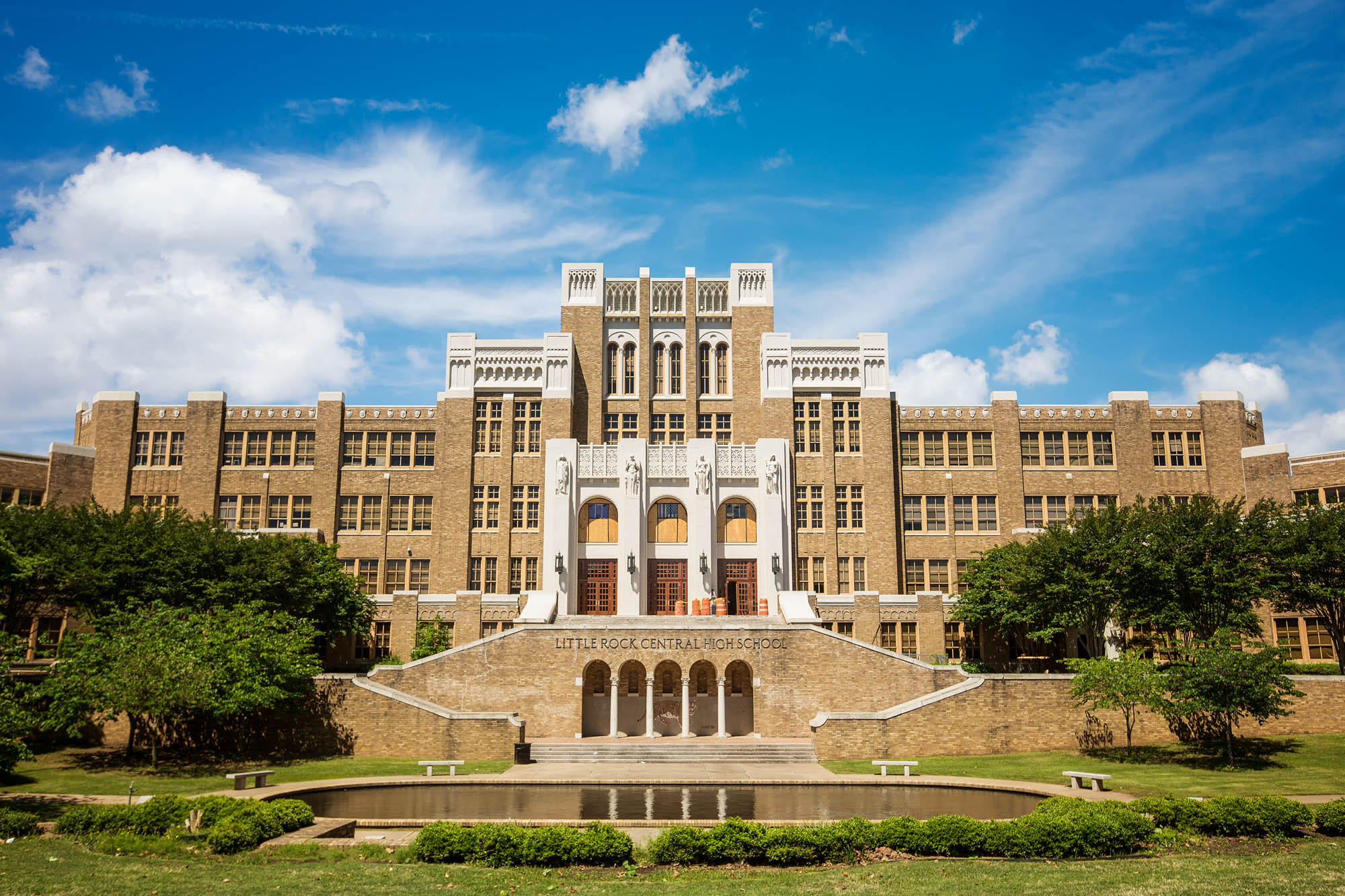
- Little Rock Central High School National Historic Site – When built in 1927, it became known as the largest and most beautiful high school in the country. Its fame, though, is thanks to the Little Rock Nine. This was a group of Black students who were denied entry because of their race and eventually required intervention from President Eisenhower.
- President William Jefferson Clinton Birthplace Home National Historic Site – Where Clinton spent the first four years of his life with his grandparents in the town of Hope.

California
- Eugene O’Neill National Historic Site – Home to the only American playwright to win the Nobel Prize in Literature. O’Neill actually bought the house, known as Tao House, with the money he won from the prize.
- Fort Point National Historic Site – Sometimes known as Castillo de San Joaquín, it’s right under the Golden Gate Bridge in San Francisco. Before the bridge was built, it played an important role in the Mexican-American War and the Gold Rush.
- John Muir National Historic Site – Home to the Father of the National Parks from 1897 to his death in 1914. You can visit both the Italianate Victorian mansion as well as 325 acres of nature nearby!
- Manzanar National Historic Site – One of the internment camps that incarcerated Japanese-Americans during World War II. As one of the best preserved camps, it serves as a stark reminder of wartime prejudice.
Colorado
- Amache National Historic Site – This was also an internment camp for Japanese-Americans during World War II. It’s one of the newer additions to the National Park System, officially gaining its designation in 2022.
- Bent’s Old Fort National Historic Site – Commemorates the Bent-St. Varin trading empire which spread all through present day Texas, New Mexico, Kansas, Nebraska, Arizona, Utah, Wyoming, and Missouri. It primarily saw trade with Southern Cheyenne and Arapaho tribes.
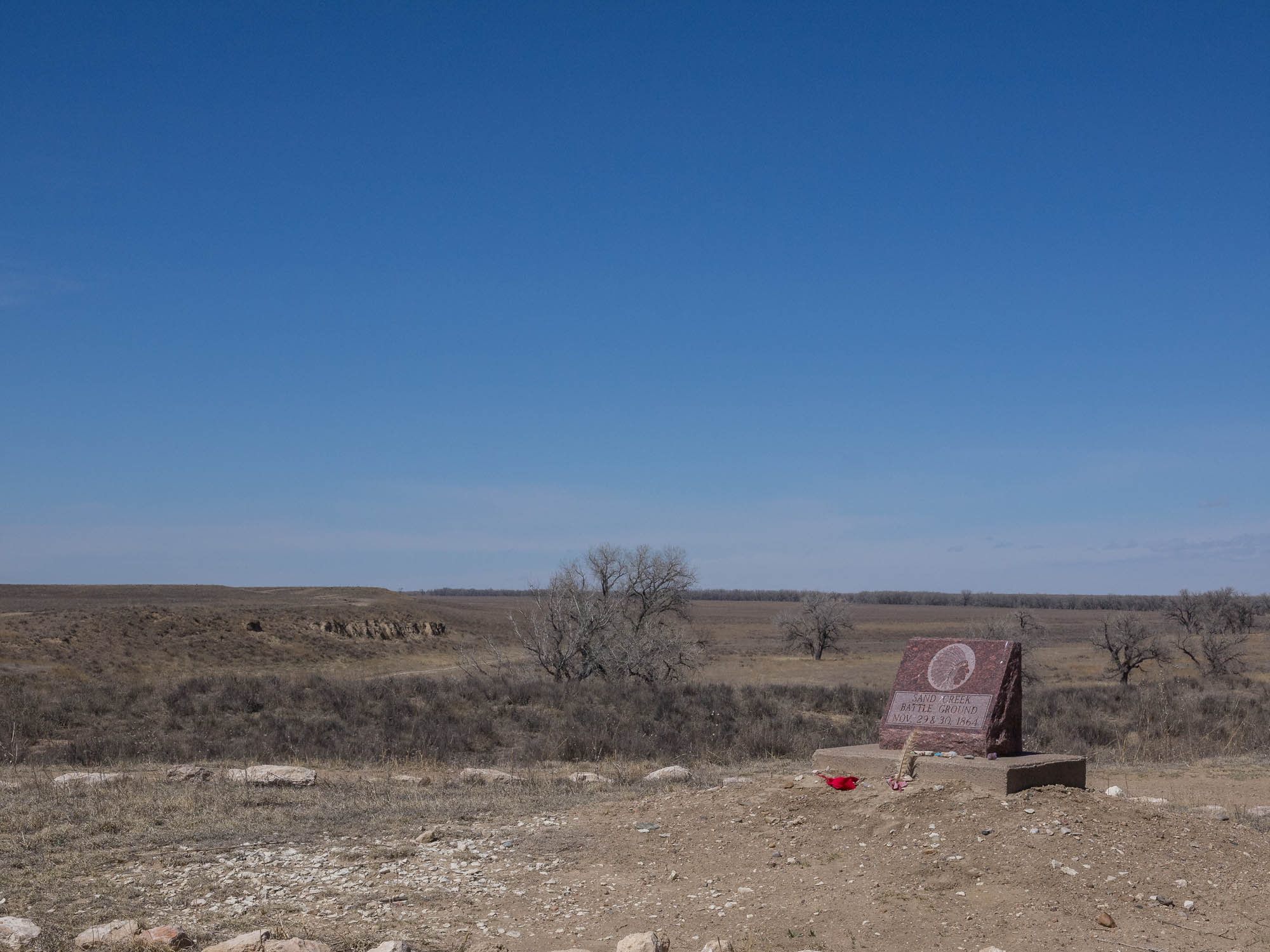
- Sand Creek Massacre National Historic Site – A place to remember the deadly Sand Creek Massacre that saw the murder of anywhere between 69 – 600 Cheyenne and Arapaho people by the U.S. Army.
Georgia
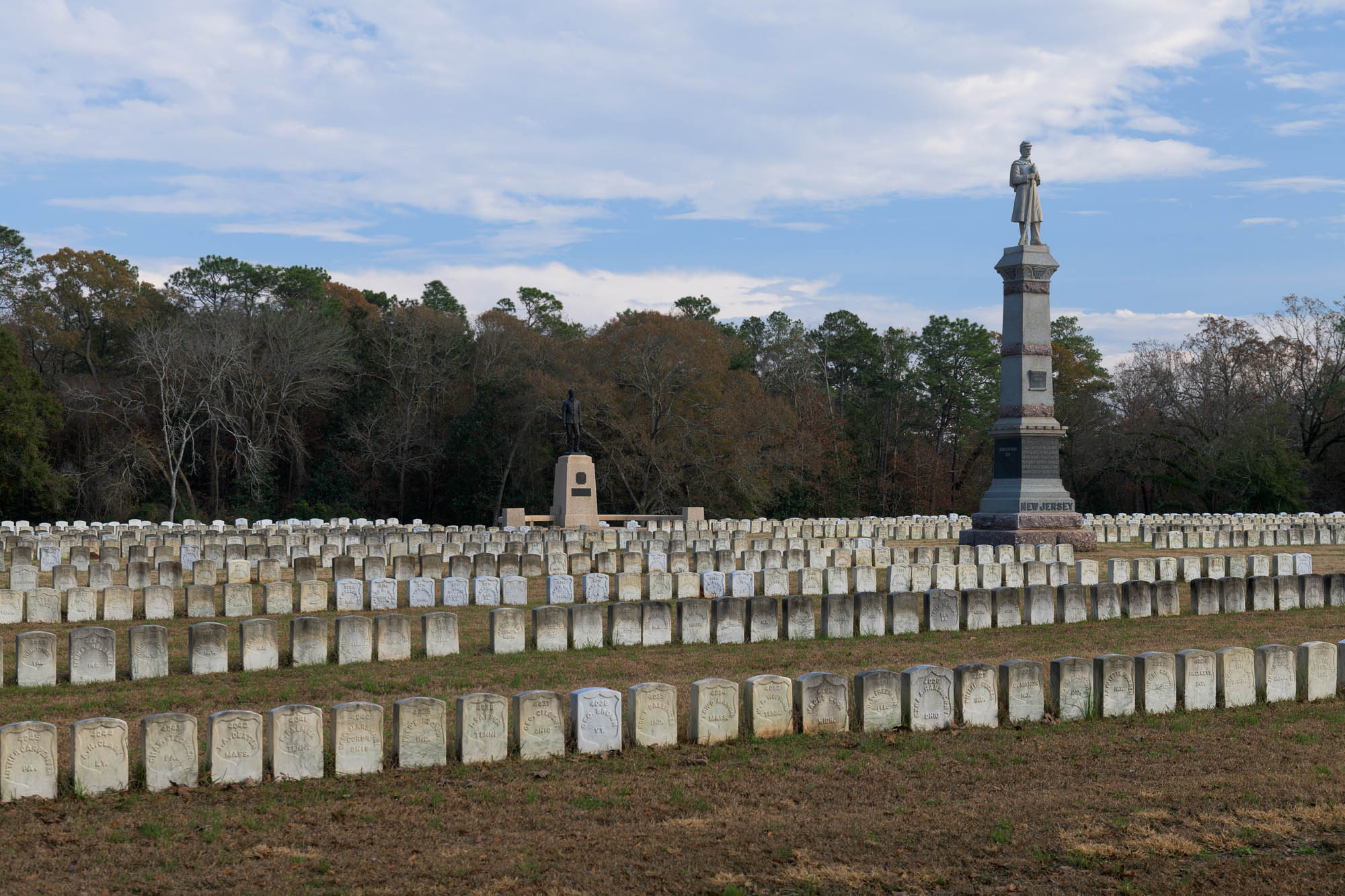
- Andersonville National Historic Site – Notable as a pretty horrendous Confederate prisoner-of-war camp. Nearly 30% of Union prisoners wound up dying here in the last 14 months of the Civil War.
Hawaii
- Honouliuli National Historic Site – An internment camp that lasted from 1943 to 1946 and held prisoners of war and Japanese-Americans during World War II.
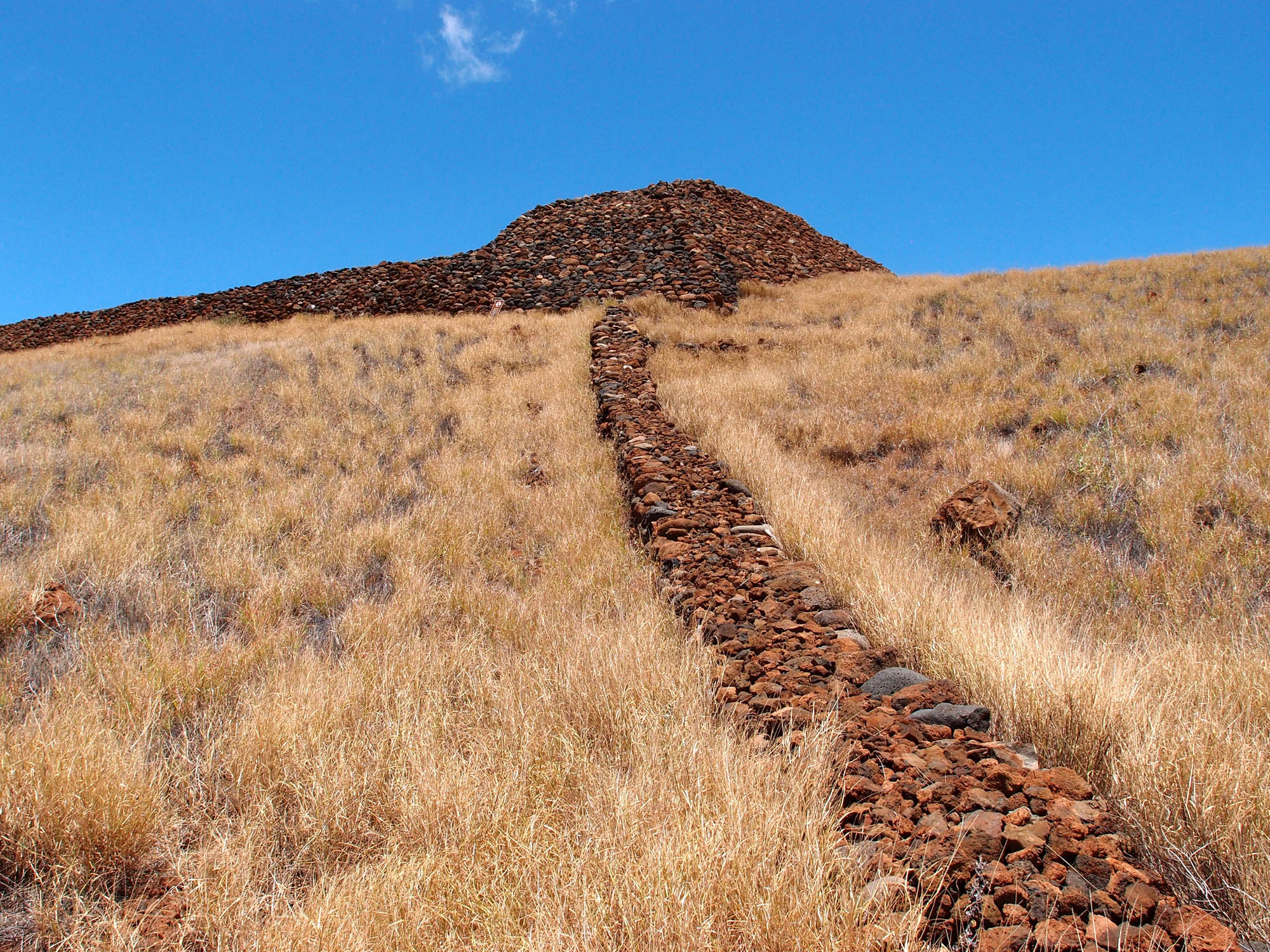
- Puʻukoholā Heiau National Historic Site – A red stone temple built by Kamehameha I, the first ruler of the Kingdom of Hawai’i.

Idaho
- Minidoka National Historic Site – The first of the ten Japanese-American internment camps. It would imprison over 13,000 people.
Illinois
- Chicago Portage National Historic Site – Commemorates an important travel route first traversed in 1673 by French explorers Jacques Marquette and Louis Jolliet. (If that last name sounds familiar – Old Joliet Prison from our Route 66 Illinois episode and The Blues Brothers get their name from the town named after him.)
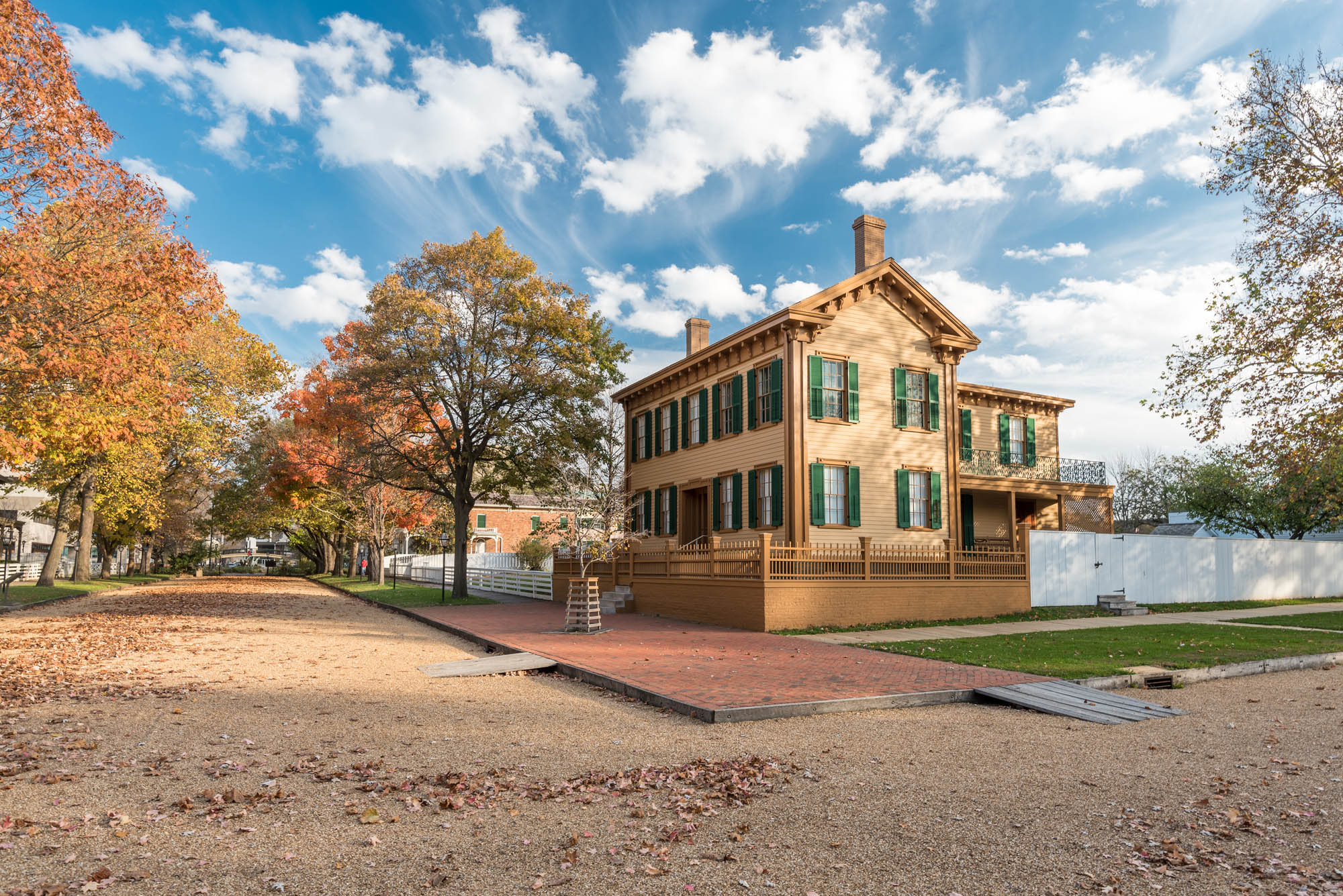
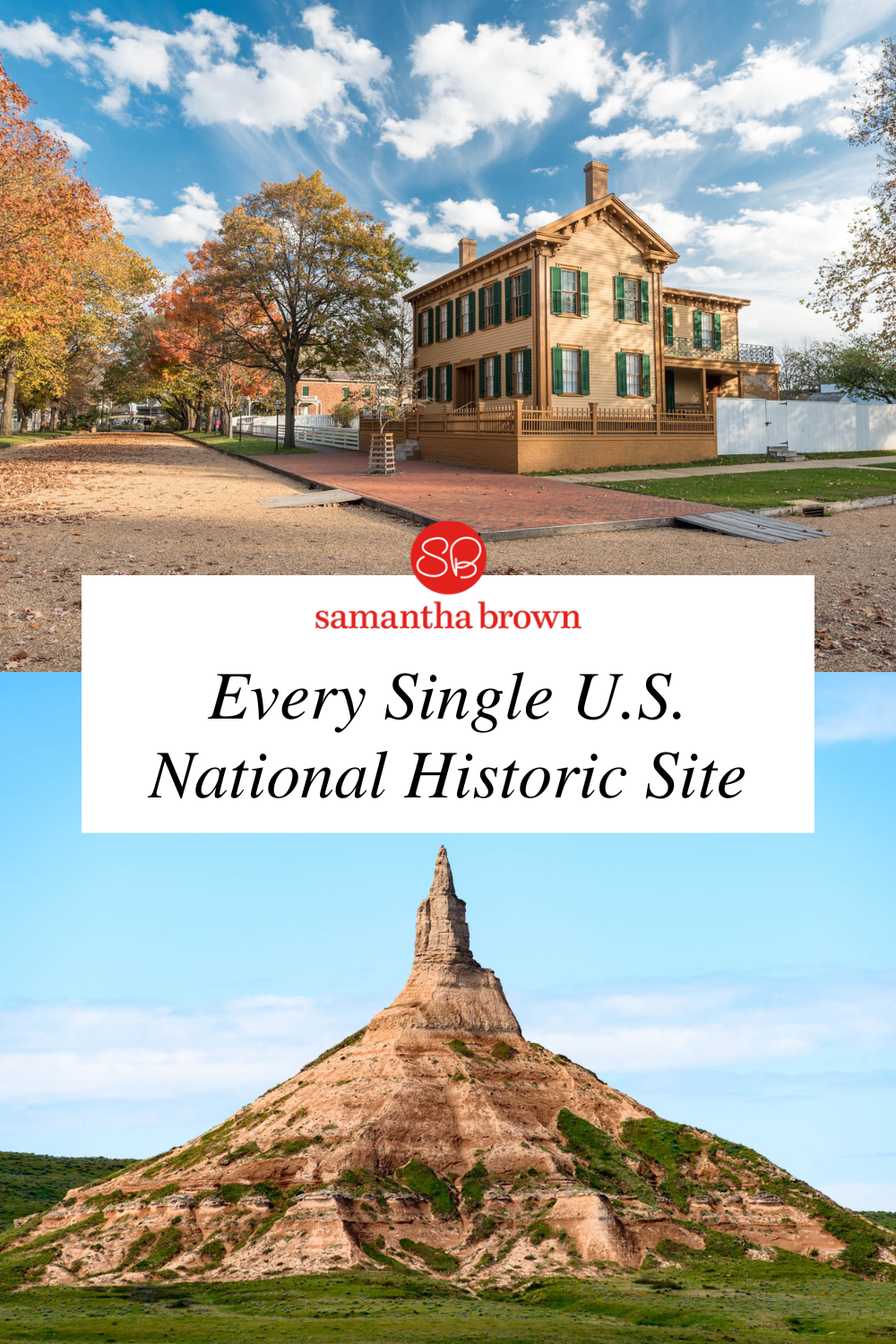
- Lincoln Home National Historic Site – Where President Lincoln lived from 1844 – 1861 while serving as a U.S. Representative and became president. The site includes his home as well as the surrounding four blocks. I’d also add the nearby Lincoln Presidential Library and Museum to your Lincoln-themed tour.
- New Philadelphia National Historic Site – This area was once the first U.S. town platted and registered by a Black man before the Civil War. It was founded by Free Frank McWorter, was uniquely integrated, and became an important station along the Underground Railroad. Unfortunately, the small town declined and eventually vanished by the 1920s. Archaeologists are still excavating the area today.
Iowa
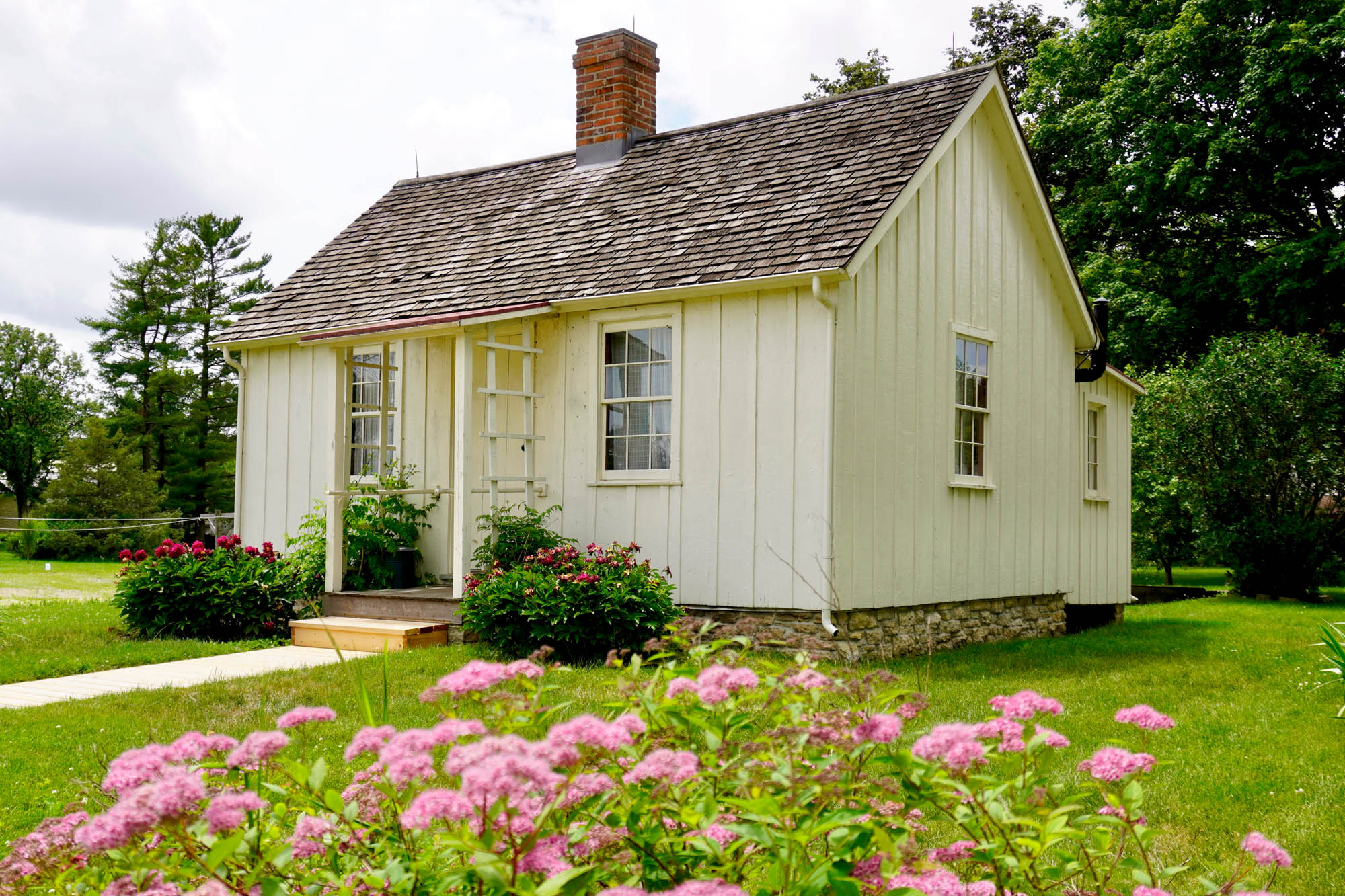
- Herbert Hoover National Historic Site – Commemorates the first 11 years of President Hoover’s life in the town of West Branch. You can also visit his and his wife’s graves here.
Kansas
- Fort Larned National Historic Site – One of the best preserved forts from what’s known as the “American Indian Wars.” Its most notable event was the meeting that indirectly started Hancock’s War.
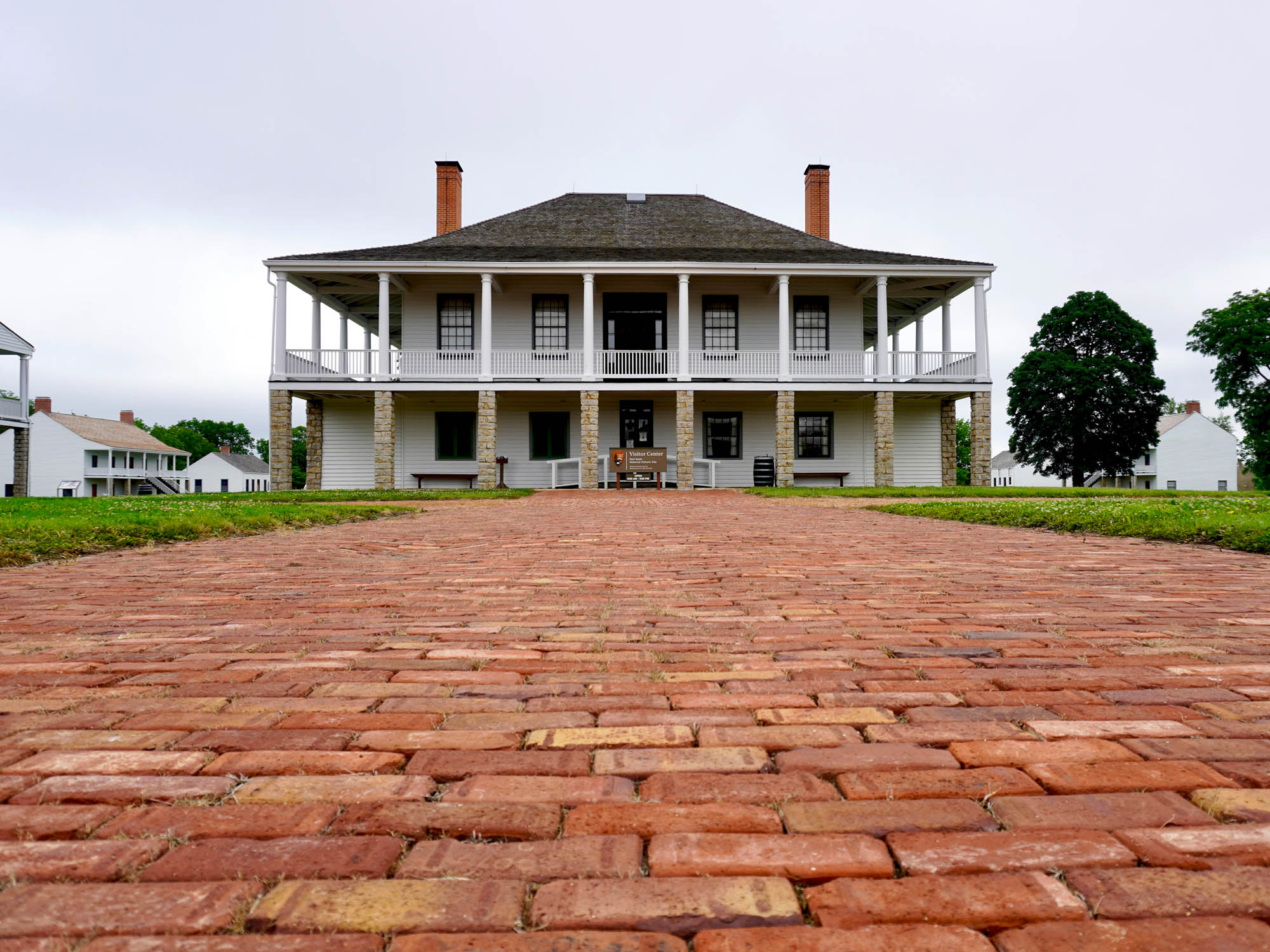
- Fort Scott National Historic Site – Another fort that was built for settlers migrating west. It became particularly important when Free-soilers, a political party focused on stopping the expansion of slavery out west, and pro-slavery advocates both lived here and clashed.
- Nicodemus National Historic Site – One of the only western towns founded by African-Americans during the Reconstruction Era that remains. It’s a cool place to learn more about African-American westward expansion.
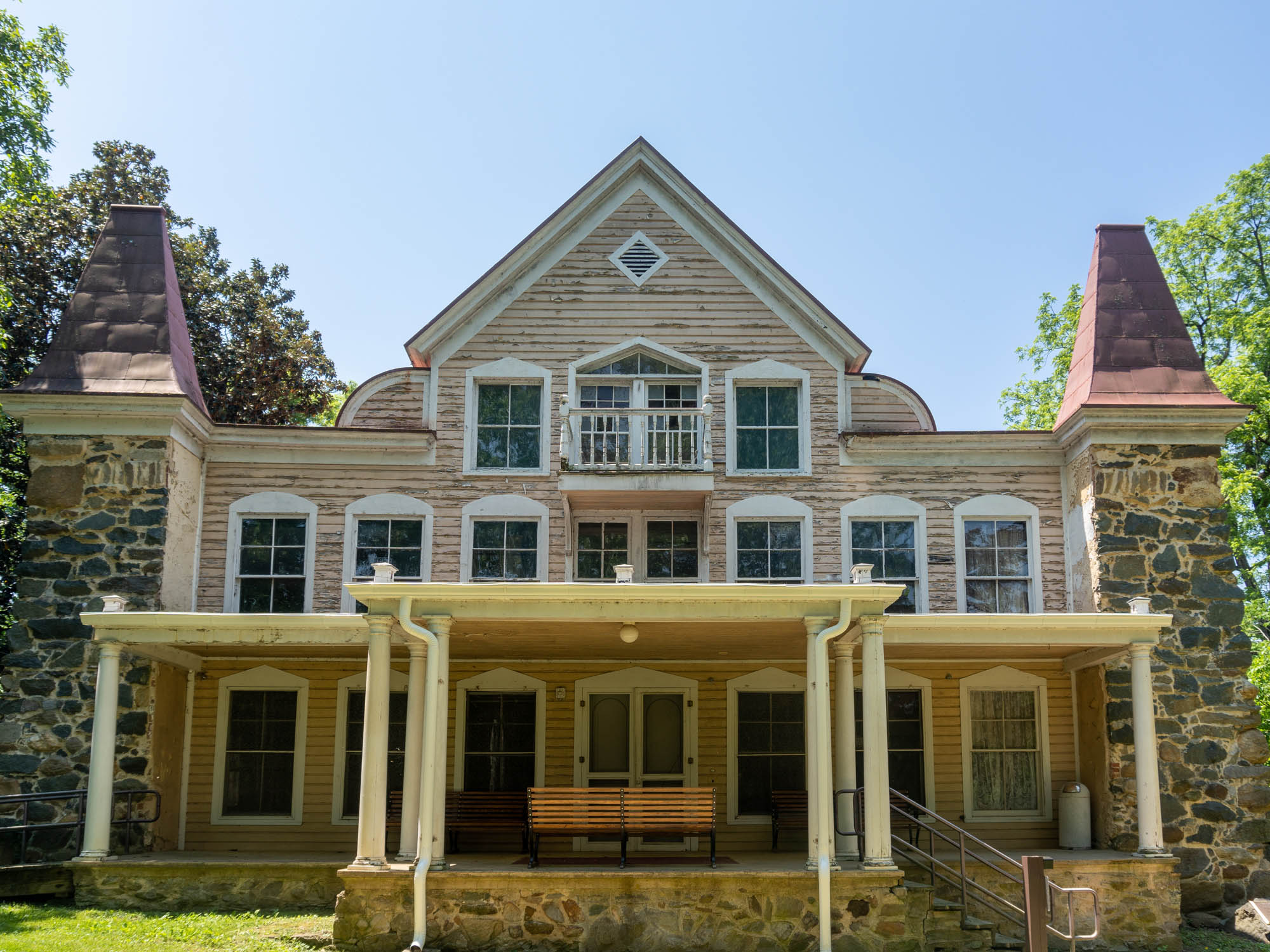
Maryland
- Clara Barton National Historic Site – The very first national historic site dedicated to a woman’s accomplishments! This is where founder of the American Red Cross, Clara Barton, lived from 1897 until her death in 1912 and also served as its headquarters.
- Hampton National Historic Site – This Georgian Revival mansion was once a huge plantation owned by the wealthy Ridgley Family. Hundreds of enslaved people, tenant farmers, indentured servants, and paid workers labored here, and the site is dedicated to preserving their stories.
- Thomas Stone National Historic Site – Home to one of the lesser known Founding Fathers and signers of the Declaration of Independence, Thomas Stone lived here from 1770 until his death in 1787. Many of his family and descendants were active in Maryland politics.

Massachusetts
- Boston African American National Historic Site – Located in the neighborhood of Beacon Hill, this site preserves 15 pre-Civil War structures that illustrate life for free African-Americans back then. You can visit all of them following the Black Heritage Trail.
- Frederick Law Olmsted National Historic Site – This is where Frederick Law Olmsted, founder of American landscape architecture, established the first full-scale professional office for landscape design. During his life, Olmsted designed some of the most famous parks and gardens in the country from Central Park in NYC to Biltmore Estate in Asheville.
- John Fitzgerald Kennedy National Historic Site – The birthplace and childhood home of President Kennedy. His mother, Rose Kennedy, actually re-purchased the house after his death and restored it before donating it to the NPS.
- Longfellow House – Washington’s Headquarters National Historic Site – This site is notable for two, totally separate reasons. The first is that it served as General George Washington’s headquarters during the Siege of Boston. The second is that it was owned by poet Henry Wadsworth Longfellow.
- Salem Maritime National Historic Site – This site, which connects twelve different historic structures, specifically looks at Salem’s role as a seaport during much of early U.S. history from the Triangle Trade through Far East trading following the Revolutionary War.
- Saugus Iron Works National Historic Site – Home to the very first integrated ironworks in North America; it operated between 1646 and 1670.
- Springfield Armory National Historic Site – The main manufacturing center for U.S. military firearms from 1777 until 1968. It’s also notable for Shays’s Rebellion, which would influence the need for the Constitutional Convention and our eventual Constitution.
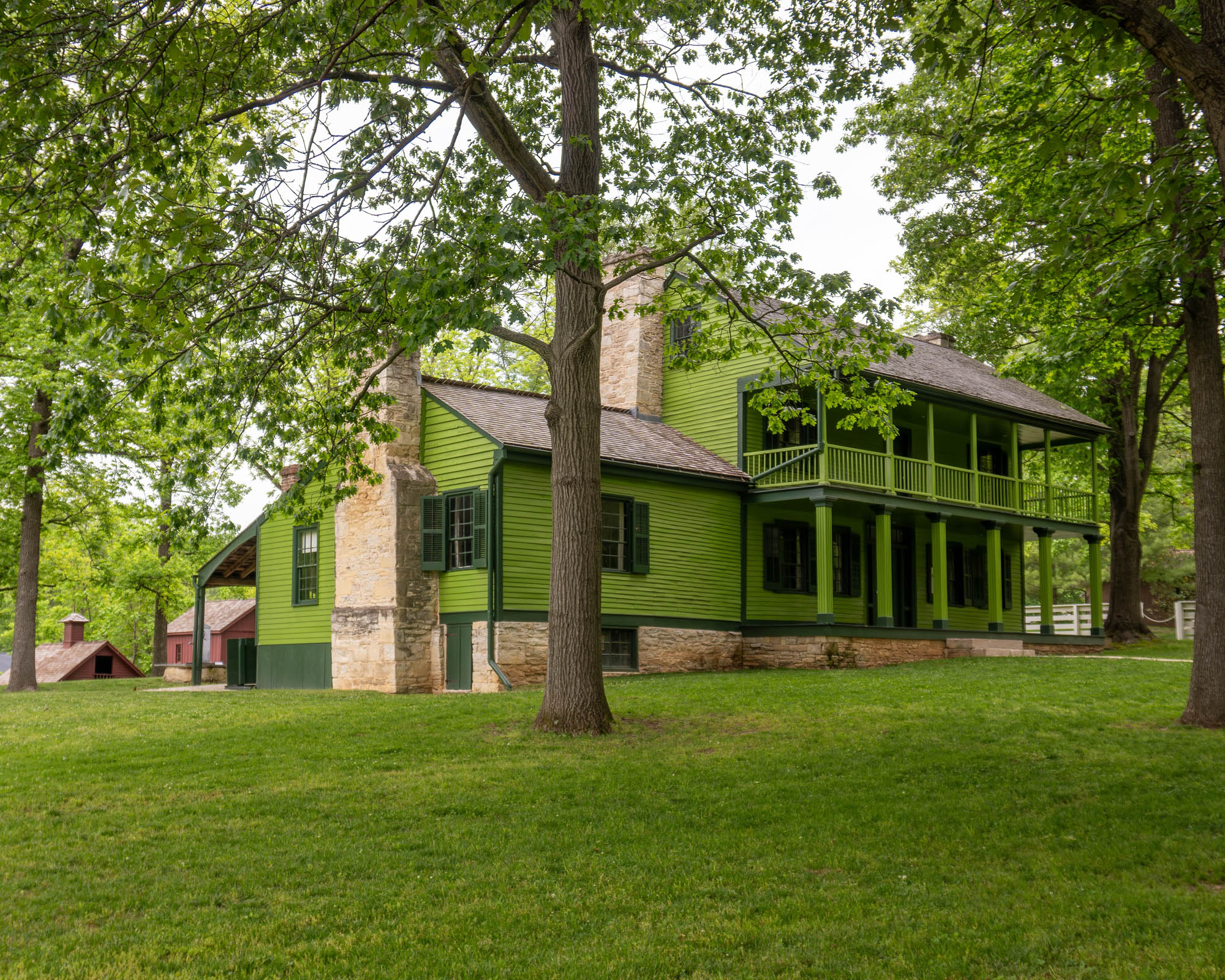
Missouri
- Harry S. Truman National Historic Site – Home to President Truman from 1919 to his death in 1972. Fun fact: he’s the only president to not own his own home before entering the White House. He and his wife purchased this home after his presidency ended in 1953.
- Ulysses S. Grant National Historic Site – Home to President Grant from 1854 – 1859, it was actually owned by his wife, Julia Dent’s family and is where she and their children stayed during his service. Ironically, his in-laws owned enslaved people and Grant had to help manage the plantation for them. It’s likely this and his abolitionist parents that spurred his involvement and later leadership in the Civil War.

Montana
- Fort Union Trading Post National Historic Site – Once one of the most important fur trading posts along the Missouri River, it’s also partially located in North Dakota.
- Grant-Kohrs Ranch National Historic Site – Located on a tiny fraction of the ten million acres once owned by cattle baron Conrad Kohrs. It’s an interesting look at the role cattlemen played in American history.
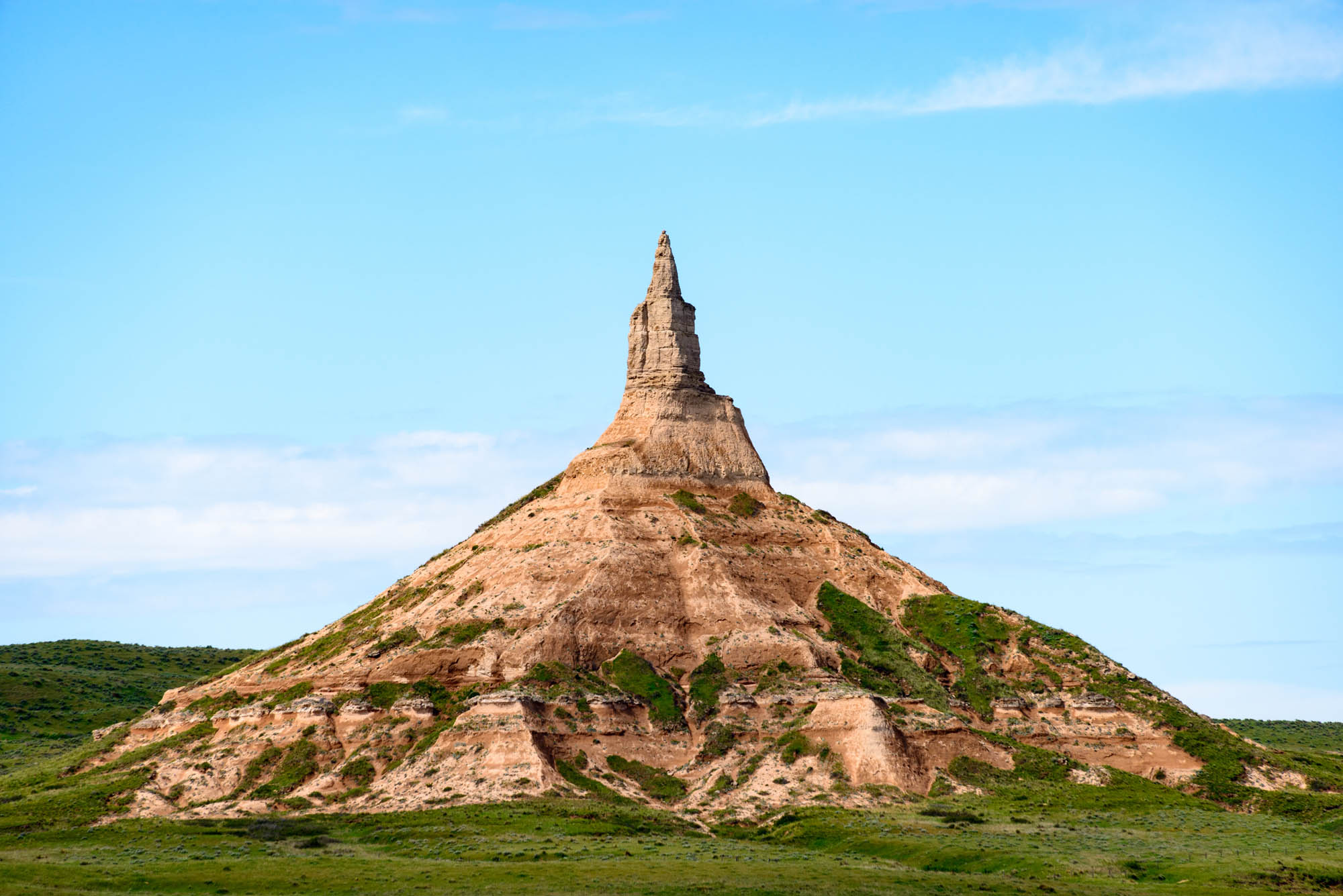
Nebraska
- Chimney Rock National Historic Site – This giant geological rock formation is around 300 feet high and was an important marker for those on the Oregon, California, and Mormon Trails.

New York
- Eleanor Roosevelt National Historic Site – Also known as Val-Kill, this was Eleanor Roosevelt’s personal home away from the nearby Roosevelt estate. After FDR’s death, this became her primary residence and she often hosted everyone from family to world leaders here. (You can check out my “Dutchess County” episode for more on this place!)
- Home of Franklin D. Roosevelt National Historic Site – Both the birthplace and home of President Roosevelt, it’s also known as Springwood and was in the Roosevelt family from 1866 until his death in 1945. You can actually follow a walking trail between Springwood and Val-Kill to visit both.
- Kate Mullany National Historic Site – Home to Kate Mullany, founder of the first all-female labor union in the U.S., known as the Collar Laundry Union. She was only 19 when she organized a 6-day strike for 300 members!
- Lower East Side Tenement National Historic Site – This site includes two buildings at 97 and 103 Orchard Street, the latter of which is known as the Tenement Museum. Because tenements were cramped styles of buildings that were often overcrowded and cheap, they often attracted newly arrived immigrants. Today it commemorates and promotes tolerance of the immigration experience.
- Martin Van Buren National Historic Site – Home to President Van Buren from 1839, during his presidency, to his death in 1862. It was also onced owned by author Washington Irving.
- Sagamore Hill National Historic Site – Home to President Theodore Roosevelt from 1885 until his death in 1919. It became his “Summer White House.”
- Saint Paul’s Church National Historic Site – One of New York’s oldest parishes, it was established in 1665 in Mount Vernon. It played two significant roles in history. The first was as the site of the John Peter Zenger Trial, an important precedent for Freedom of Press. The second was as a military hospital after the Battle of Pell’s Point in 1776.
- Theodore Roosevelt Birthplace National Historic Site – A replica of the brownstone where President Roosevelt was born in 1858.
- Theodore Roosevelt Inaugural National Historic Site – Located in Buffalo, this is where then Vice President Roosevelt wound up taking the Oath of Office after President McKinley’s assassination.
- Thomas Cole National Historic Site – Home to Thomas Cole, who was an influential American landscape painter and founder of the Hudson River School. He painted some of his most famous works here, including The Voyage of Life series.
- Vanderbilt Mansion National Historic Site – Located in Hyde Park (which also used to be its name) where Eleanor and Franklin D. Roosevelt’s sites are, this 54-room mansion was owned by the Vanderbilt family from 1899 – 1940. Fun fact: It housed FDR’s Secret Service from 1941 – 1943 and many of his staff and friends stayed in the bedrooms.
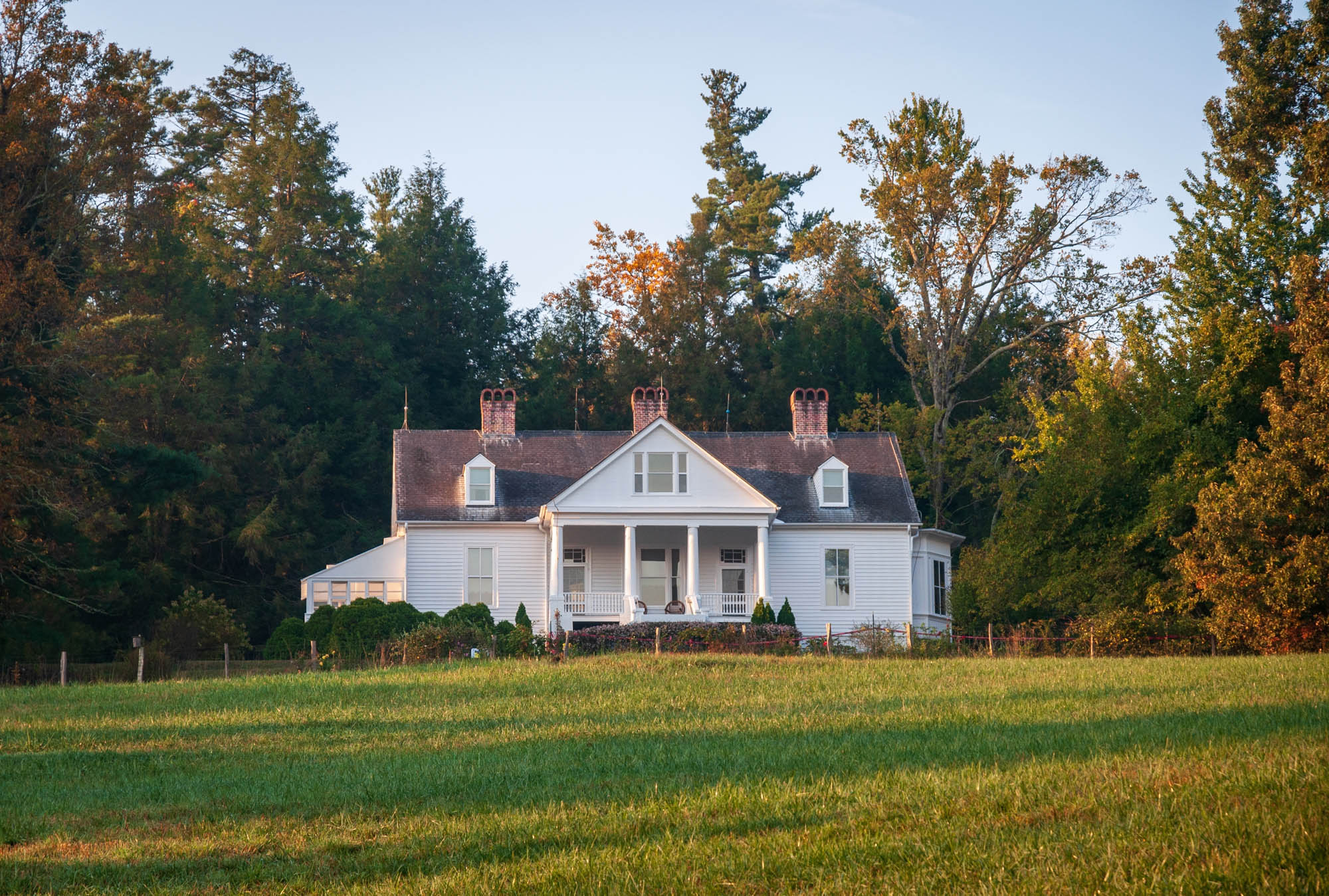
North Carolina
- Carl Sandburg Home National Historic Site – Also known as Connemara, this was home to Pulitzer Prize-winning poet and writer Carl Sandburg.
- Fort Raleigh National Historic Site – This is where the Roanoke Colony was once located. It was the first English settlement in the U.S. but has become more well known as the “Lost Colony” because no survivors were ever found after it was abandoned.
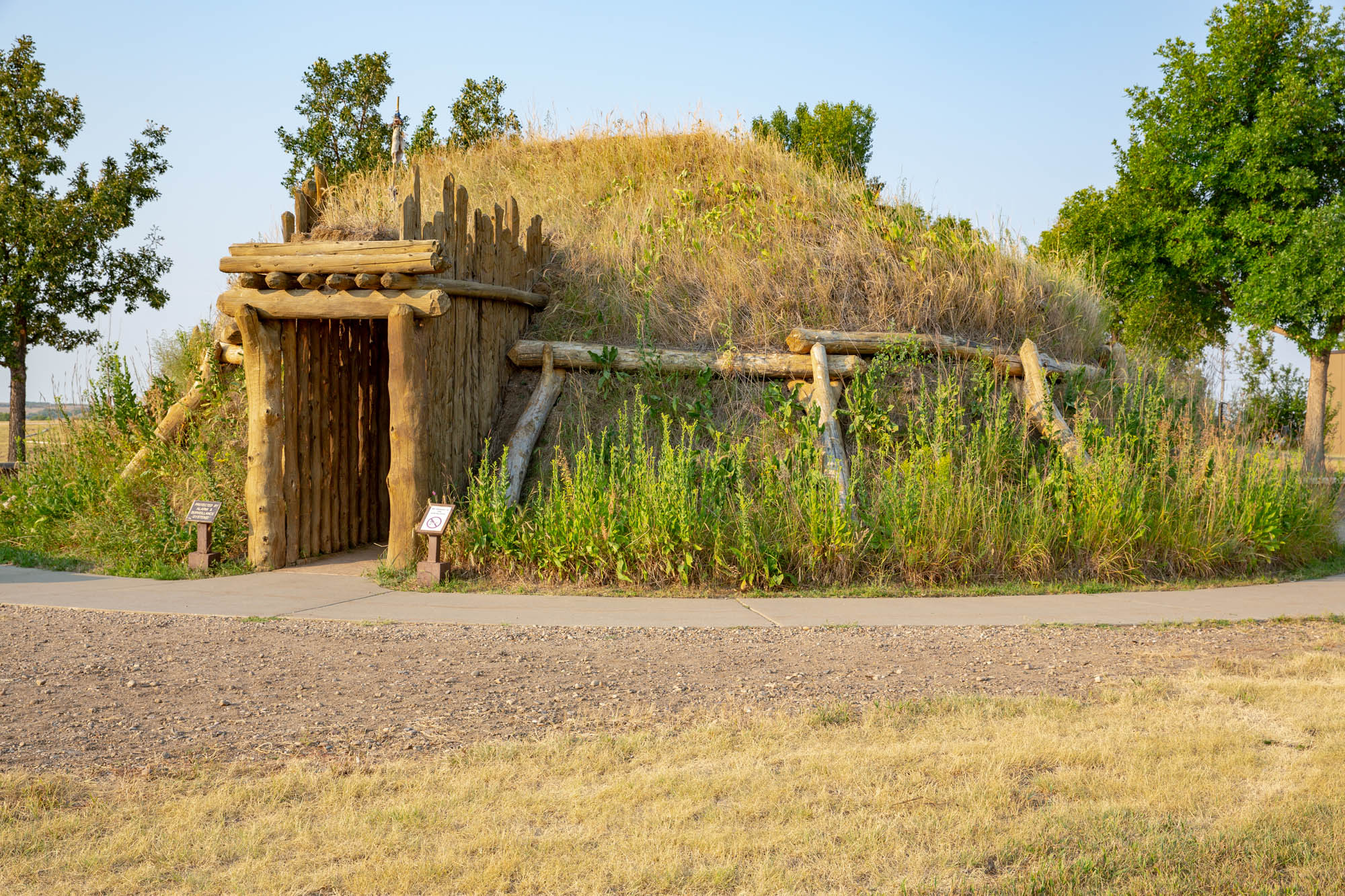
North Dakota
- Knife River Indian Villages National Historic Site – A site that preserves three villages that belong to the Hidatsa, a northern Plains Indian tribe. It was once a major trading and agricultural area.

Ohio
- Fallen Timbers Battlefield and Fort Miamis National Historic Site – Both these sites focus on the Battle of Fallen Timbers which saw the U.S. win and end the Northwest Indian War.
- First Ladies National Historic Site – Including the home of First Lady Ida McKinley, this site was created to celebrate all the United States’ First Ladies and focus on how the role has evolved through the years.
- James A. Garfield National Historic Site – Home to President Garfield from 1876 to his assassination in 1882. He was also the very first president to have a presidential library.
- William Howard Taft National Historic Site – Birthplace and childhood home to President Taft.
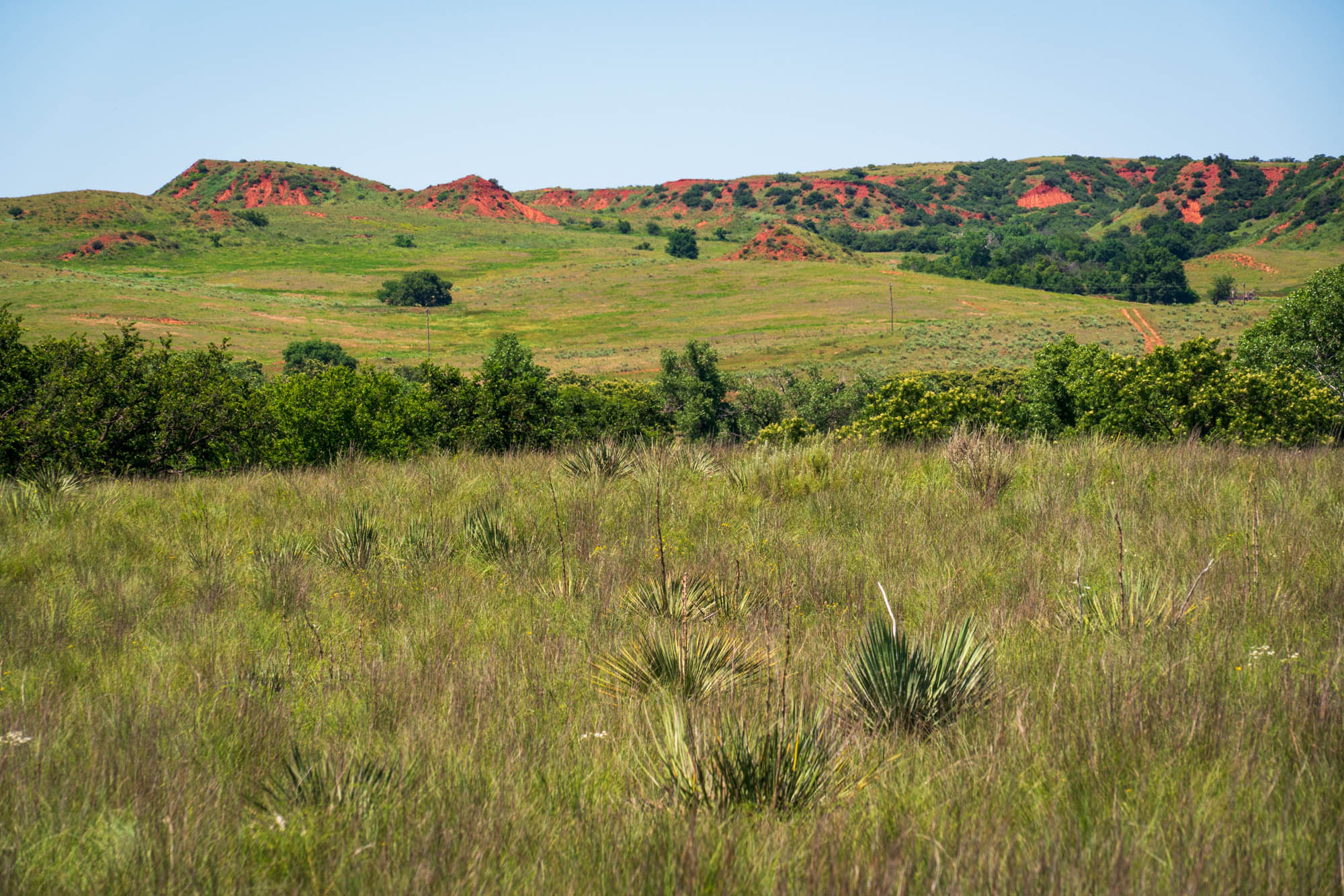
Oklahoma
- Washita Battlefield National Historic Site – Commemorates the site of the Southern Cheyenne Village where the Battle of Washita River occurred.

Pennsylvania
- Allegheny Portage Railroad National Historic Site – Where the first railroad through the Allegheny Mountains was constructed, helping to connect the Midwest to the East.
- Edgar Allen Poe National Historic Site – Briefly home to famed author Edgar Allan Poe, it’s the only residence of his in Philadelphia still standing. While in the city, he wrote his two most well-known works, “The Tell-Tale Heart” and “The Raven.”
- Eisenhower National Historic Site – Home to President Eisenhower from 1950 – 1969. It’s right by the Gettysburg Battlefield as well.
- Friendship Hill National Historic Site – Home to Albert Gallatin, another one of America’s lesser known Founding Fathers. As the longest-serving Secretary of Treasury, he’d be instrumental in funding things like the Louisiana Territory purchase as well as the Lewis and Clark Expedition.
- Gloria Dei (Old Swedes’ Church) National Historic Site – As the oldest church in Pennsylvania, the church focuses on the role early Swedish immigrants played in early American history.
- Grey Towers National Historic Site – Home to Gifford Pinchot, the first head of the U.S. Forest Service. It’s also one of the first places to be designated a National Historic Landmark.
- Hopewell Furnace National Historic Site – One of the best preserved examples of an 1800s iron plantation.
- Steamtown National Historic Site – Both a railroad museum and heritage railroad in the city of Scranton, it’s located on the former yards of the Delaware, Lackawanna, & Western Railroad and looks at the country’s industrial history.

Puerto Rico
- San Juan National Historic Site – Located in Old San Juan, this site preserves the city’s fortification system like San Felipe del Morro and San Cristóbal. It’s one of the oldest European constructions in the New World.

Rhode Island
- Touro Synagogue National Historic Site – Located in Newport and constructed in 1763, this is the oldest known Jewish synagogue in the country.

South Carolina
- Charles Pinckney National Historic Site – Home Founding Father and four-term South Carolina Governor Charles Pickney.
- Ninety Six National Historic Site – Commemorates Old Ninety Six and Star Fort, a Cherokee fort and Loyalist stronghold during the American Revolution.
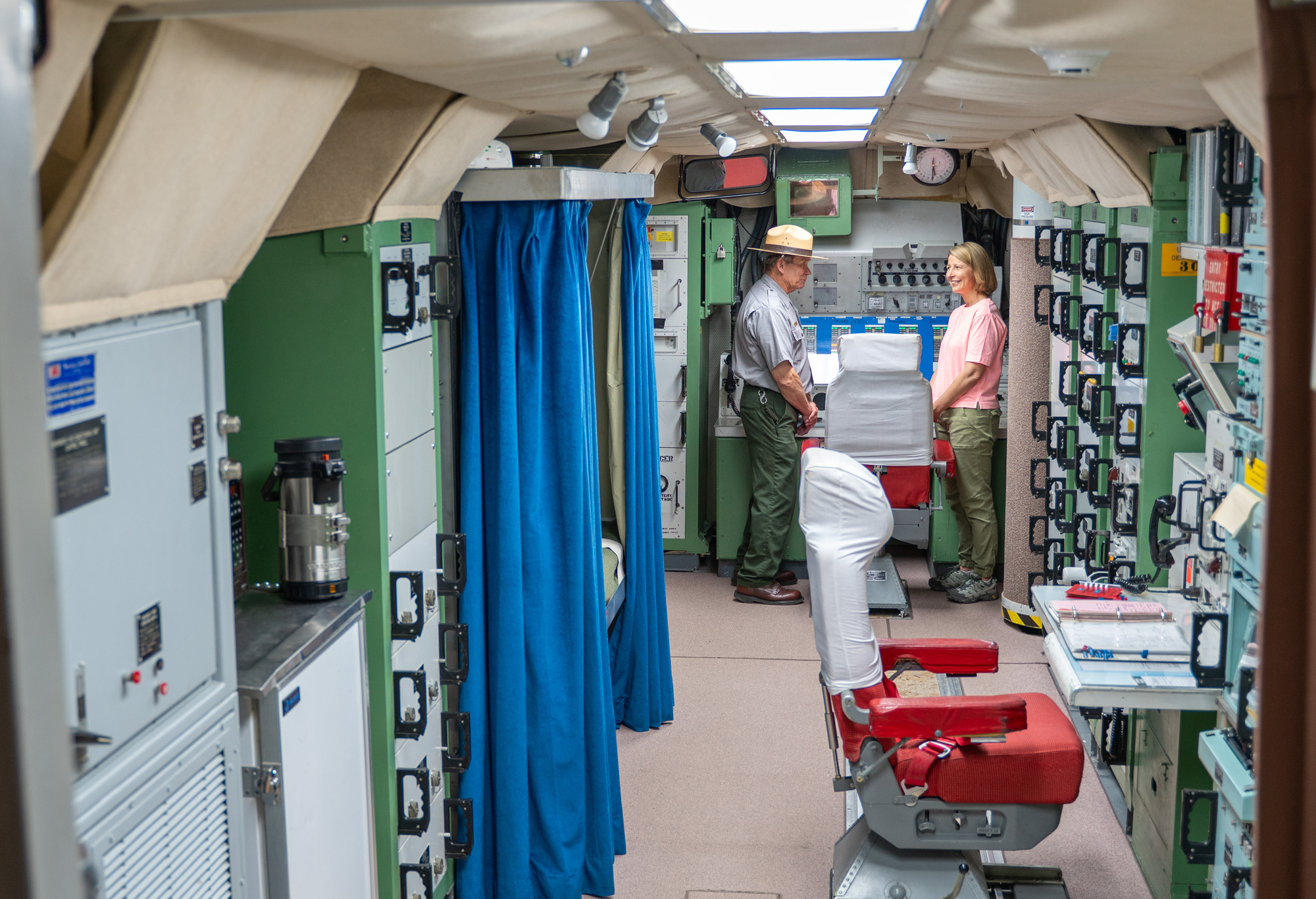
South Dakota
- Minuteman Missile National Historic Site – One of the missile-building sites the U.S. established during the Cold War; it’s a good reminder of a tense time period that defined a generation.

Tennessee
- Andrew Johnson National Historic Site – Home to President Johnson after he left the presidency until his death in 1875.
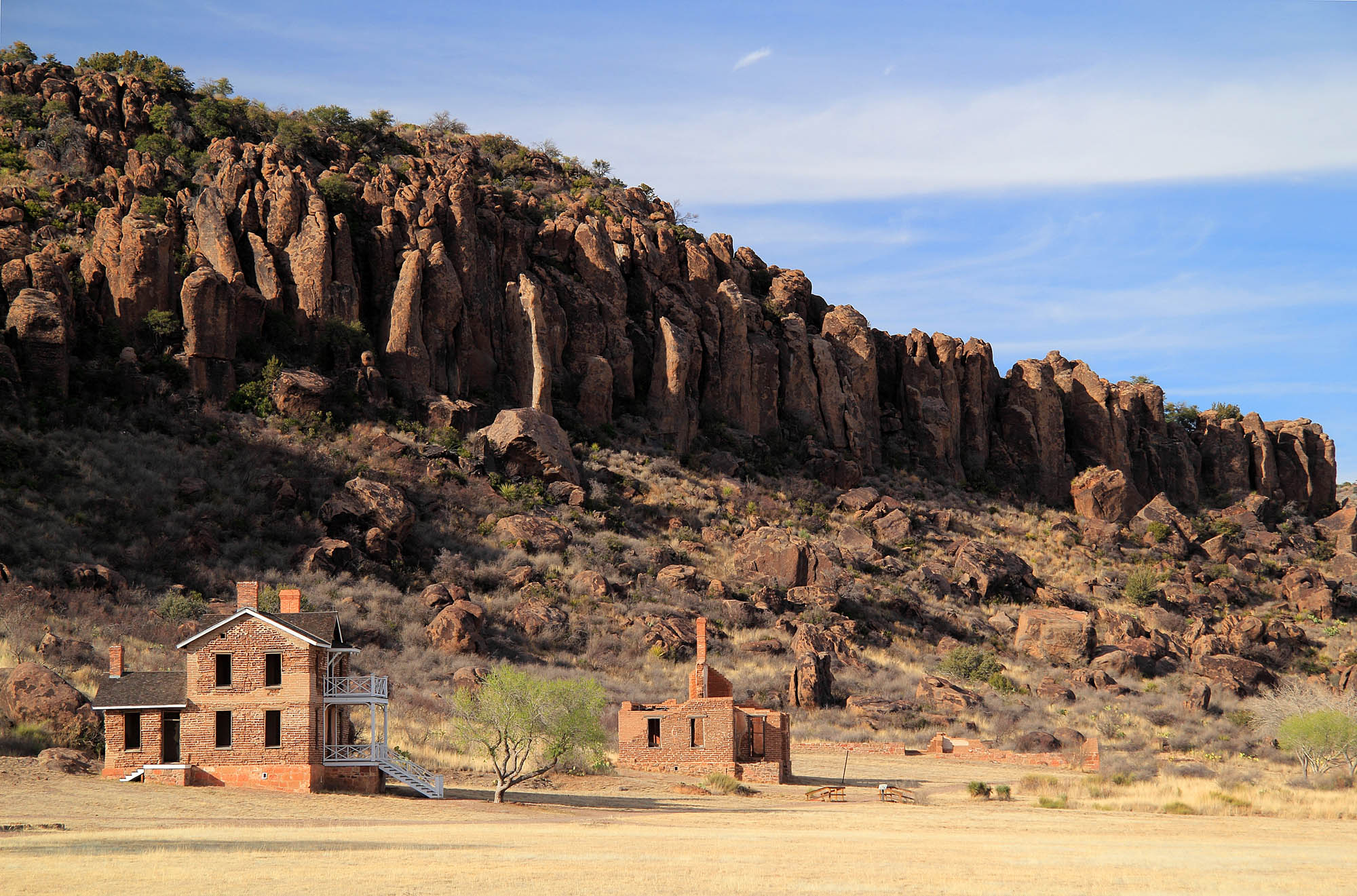
Texas
- Fort Davis National Historic Site – Because it saw such little use, it’s one of the best examples of a U.S. Army Fort in the Southwest. It also became notable because the all-Black 9th and 10th Cavalry regiments, aka “The Buffalo Soldiers,” were stationed here after the Civil War to help rebuild.

U.S. Virgin Islands
- Christiansted National Historic Site – Once the capital of the former Danish West Indies, it looks at the role the Dutch played in developing the Virgin Islands.
Virginia
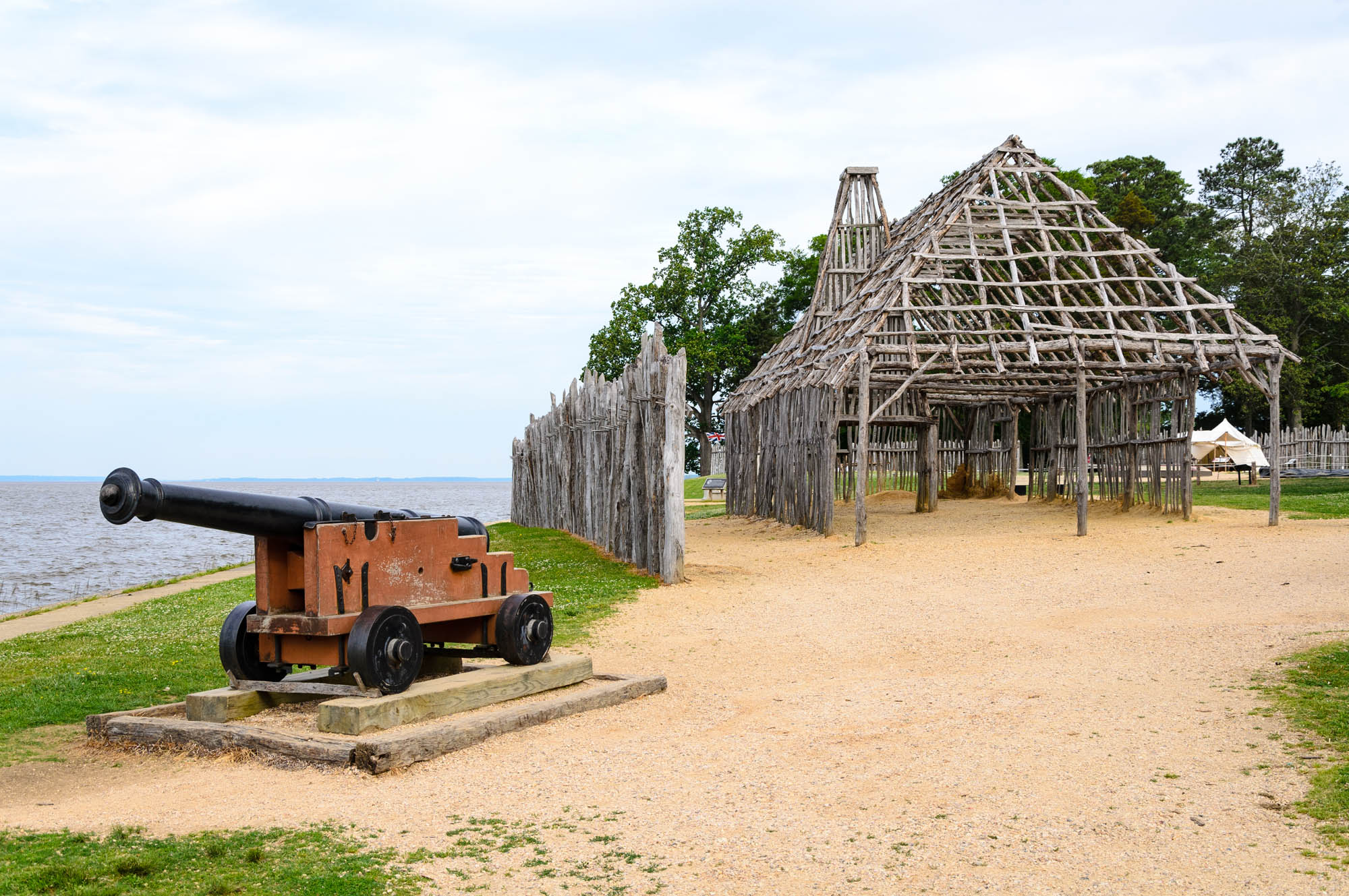
- Jamestown National Historic Site – Commemorates the very first permanent English settlement in North America. It’s also part of the Colonial National Historical Park.
- Maggie L. Walker National Historic Site – Home to Maggie L. Walker, the first African-American woman to both charter a bank and serve as bank president. She also paved the way for people with disabilities when she became confined to a wheelchair.
Washington
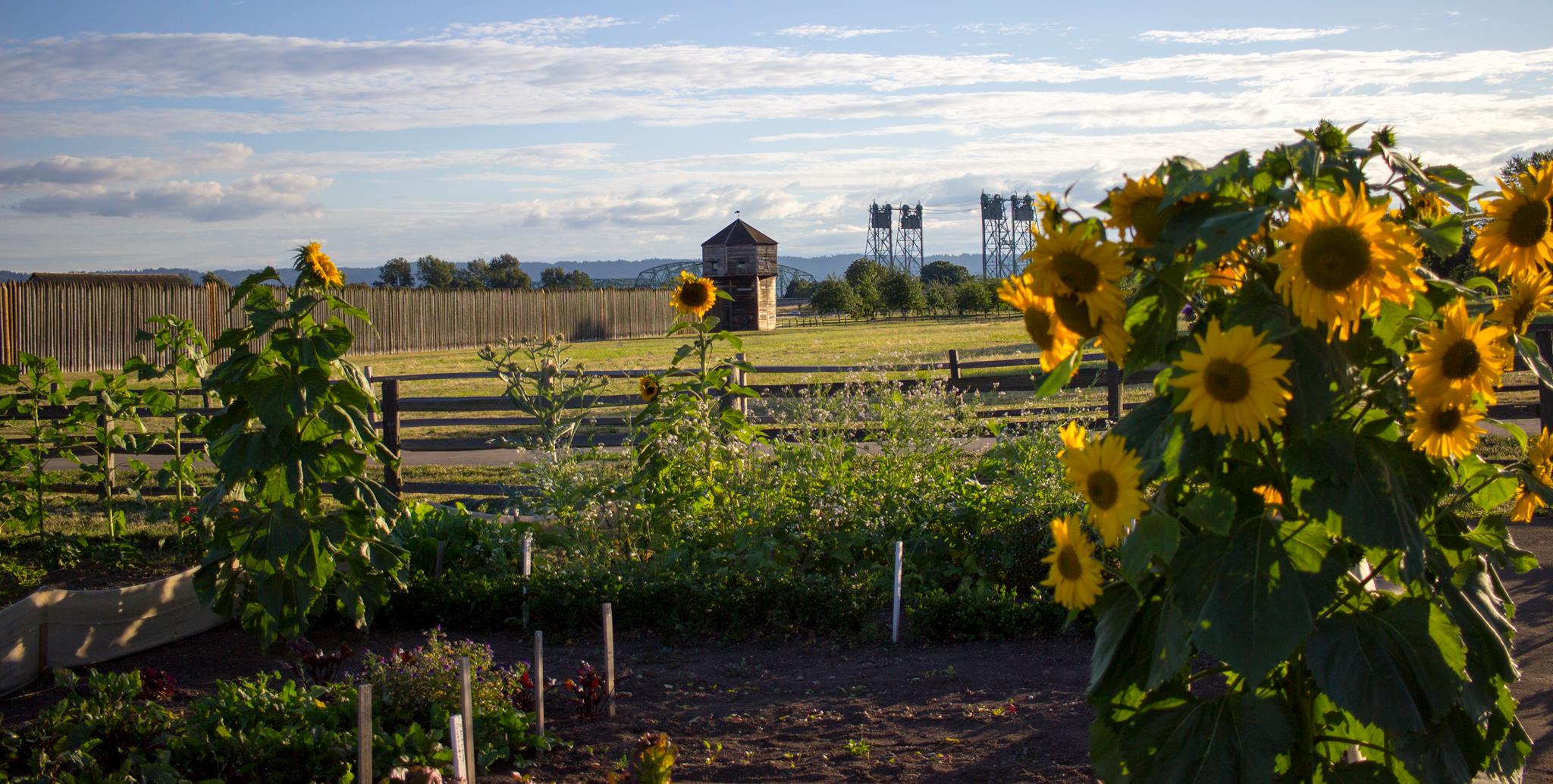
- Fort Vancouver National Historic Site – Also located in Oregon, it was once the northwest headquarters of the Hudson’s Bay Company, an important fur trading business.
- Whitman Mission National Historic Site – Site of the Whitman Massacre where the Cayuse people killed early missionaries Marcus and Narcissa Whitman along with eleven others. These killings wound up causing Congress to declare territorial status to the area and would lead to the Cayuse War.
Washington D.C.
- Carter G. Woodson Home National Historic Site – Home to Carter G. Woodson, founder of Black History Month, from 1922 until his death in 1950. Woodson was a historian, author, and journalist who also operated the Association for the Study of African American Life and History.
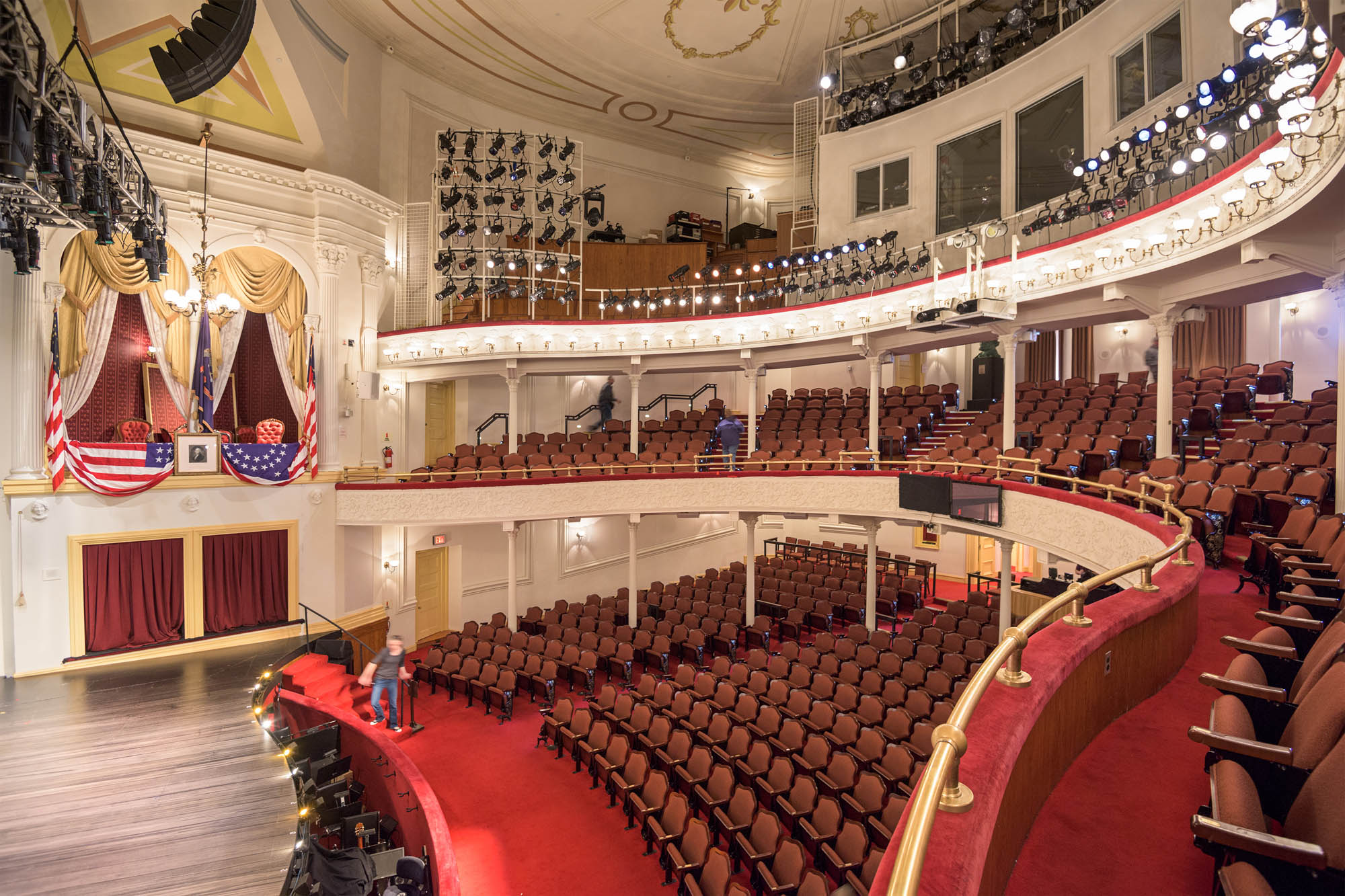
- Ford’s Theatre National Historic Site – The sites of Lincoln’s assassination and later death.
- Frederick Douglass National Historic Site – Home to one of the most famous abolitionists; Douglass’s speeches and writings about his time as an enslaved person were crucial to the anti-slavery movement. This home is where he’d write his autobiography.
- Mary McLeod Bethune Council House National Historic Site – Home to Mary McLead Bethune, one of the most prominent Civil Rights activists. Under FDR, Bethune created the Black Cabinet and went on to found the National Council of Negro Women, Inc. The council met at this house from 1935 – 1981.
- Pennsylvania Avenue National Historic Site – Sometimes nicknamed America’s Main Street, this whole avenue, which stretches between the White House and U.S. Capitol, features a number of significant historic sites.

Wyoming
- Fort Laramie National Historic Site – An important landmark for both Oregon Trail and the Mormon Trail.
Phew! That’s a lot more than I thought there’d be. How many of these U.S. National Historic Sites have you been to? Are any near where you live? Let me know below!
Comments (10)
Leave a Reply
Related Posts

Only seven, which is a shame because I’ve lived or visited by a number of others.
I think we’ve been to 15. We’ve been to many more national parks; they have a higher profile. But thanks for making us aware of this collection. We also know that we’ve only been to about 10% of national monuments (about 50% of national parks).
Wouldn’t Fort Snelling MN qualify?
I’ve been to 37 of these sites. Some of the sites are a bit off the beaten track.
The article naming the National Historic Sites in each state will prove most helpful on our future travels! My husband and I are lifelong Pennsylvanians who have enjoyed visiting most of that state’s National Historic Sites. Our favorite is Grey Towers, a nice day trip a few hours north of our home in suburban Philadelphia. A few years ago we made an impromptu stop at Steamtown – a very interesting site – on a return drive from New York’s Finger Lakes Region. We visited Hopewell Furnace during the pandemic since much of what there is to see is outdoors and it is conveniently located off the PA Turnpike. The Eisenhower site was an add-on to a trip to Gettysburg and well worth visiting. Friendship Hill and the Allegheny Portage Railroad are on our list as places to stop on a future trip to visit our daughter who lives on the other side of the state. Many years ago my Girl Scout troop toured historic Philadelphia and stopped at Gloria Dei Church and the Edgar Allen Poe home – perhaps it’s time for a return visit. Both are not far away and we’ll make good use of our “Senior Passes” to ride the train into the city for free! As retirees these past ten years we have been fortunate to travel extensively – both domestically and abroad – often with a group of about 25 other retired educators and their partners. (Your program about Switzerland is airing as I write – a place our travel group is scheduled to visit in early September 2024.) We truly enjoy watching all of your inspirational “Places to Love” programs on PBS and reading your emails on travel topics. Hopefully we will have the opportunity to join one of your future tours! Happy Traveling!
I was surprised it was only five. I’ve been to many historical sites around the country but not to those listed here.
I’ve been to eight.
Also 7!
15
Vermont:
Marsh, Billings, Rockefeller National historical park