
I talk a lot about my packing essentials whether it’s my favorite shoes for travel,…
So You’re New to the US National Parks…
As a huge fan of our US National Parks, I feel like I’ve been visiting them since I was a kid! They’re one of the best things about this country, and every time I get a chance to visit one of the 433 official NPS locations, I feel like a kid on Christmas.
It occurred to me recently though, that some people may have yet to ever visit a national park. And if they haven’t, it’s a little overwhelming to know where to jump in. I get it, the name “national park” is confusing on its own! Because why do some places have “National Park” in the name but others have something different? And they can all still be called a national park? Huh?!
Don’t worry. I’m going back to the absolute basics so that if you meet someone who’s never heard of the National Parks Service before, you can show them this post and they’ll get caught up in a jiffy.
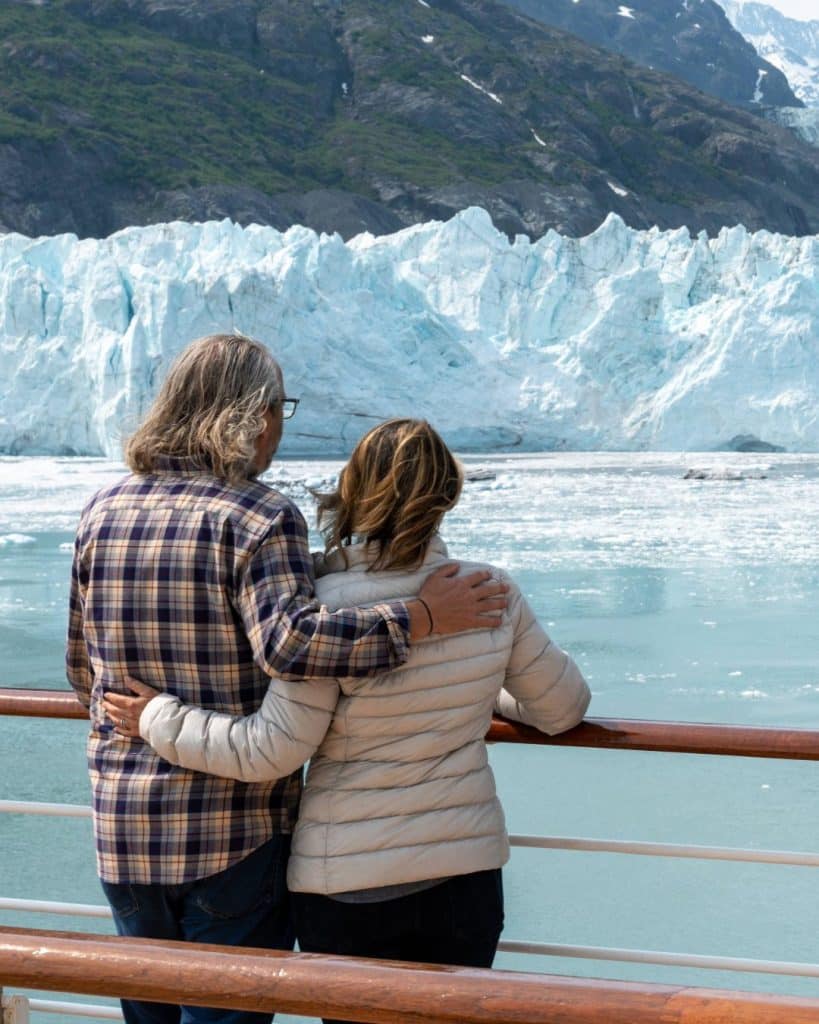
Everything You’ve Wanted to Know About
the US National Parks
What Exactly is a National Park
A national park is one of the 433 units that make-up the US National Park Service (NPS), which is run by the US Department of the Interior. These units can fall into one of the following categories:
- National Park
- National Monument
- National Lakeshore
- National Seashore
- National Preserve
- National Reserve
- National Recreation Area
- National River
- National Wild and Scenic River
- National Parkway
- National Historical Park
- National Historic Site
- International Historic Site
- National Military Park
- National Battlefield Park
- National Battlefield Site
- National Battlefield
- National Scenic Trail
And then not to make it more confusing, but there are places with “National” in their title (like National Forest or National Wildlife Refuge) that are run by different federal organizations and not the NPS.
What these places all have in common is they have some sort of significance to the United States of America and were brought into the NPS via a vote in Congress or by Presidential declaration. The goal is to help preserve them for everyone to enjoy and learn from.
(So to answer your question from the introduction… Every NPS unit can be called a lowercase national park, but they’ll have different official names depending on which category they fall under. Only 63 places of the 433 have “National Park” in their name, i.e. Yellowstone National Park.)
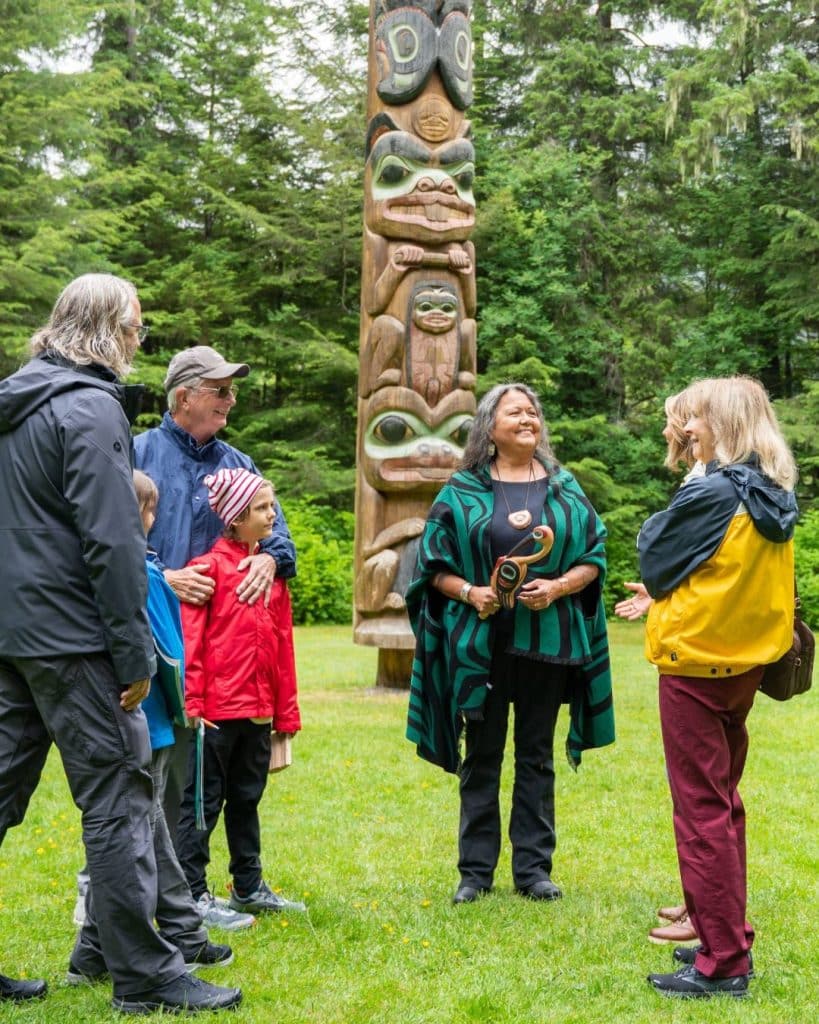
How the US National Park Service Began
Believe it or not, the idea of a national park system began all the way back in 1832 after artist George Catlin traveled the northern Great Plains and wanted to find a way to protect what was there. While there were a few movements towards a parks system (this is when Yellowstone became a public park), nothing was truly official nationally until the Antiquities Act of 1906. Signed into law by President Theodore Roosevelt, it was directed towards protecting national monuments. The first official National Monument was Devils Tower in Wyoming.
Ten years later in 1916, President Woodrow Wilson formally created the National Park Service with the National Park Service Organic Act. This is the act that outlines the NPS’s mission.
Who Runs the National Parks
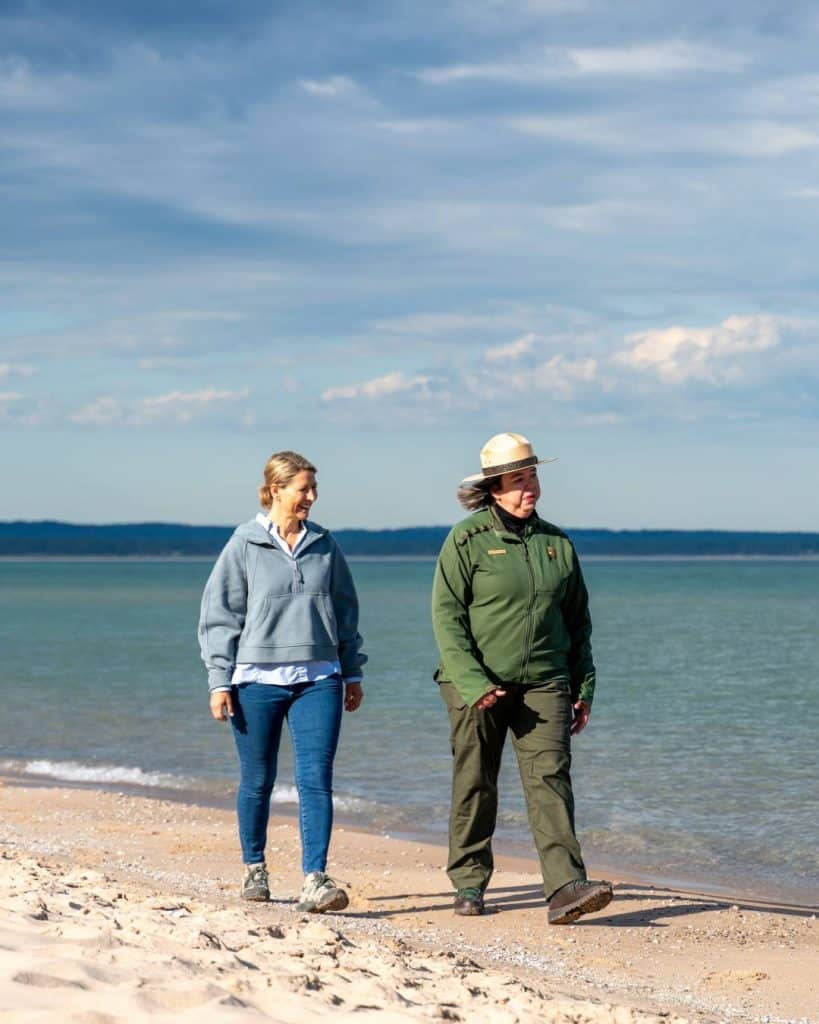
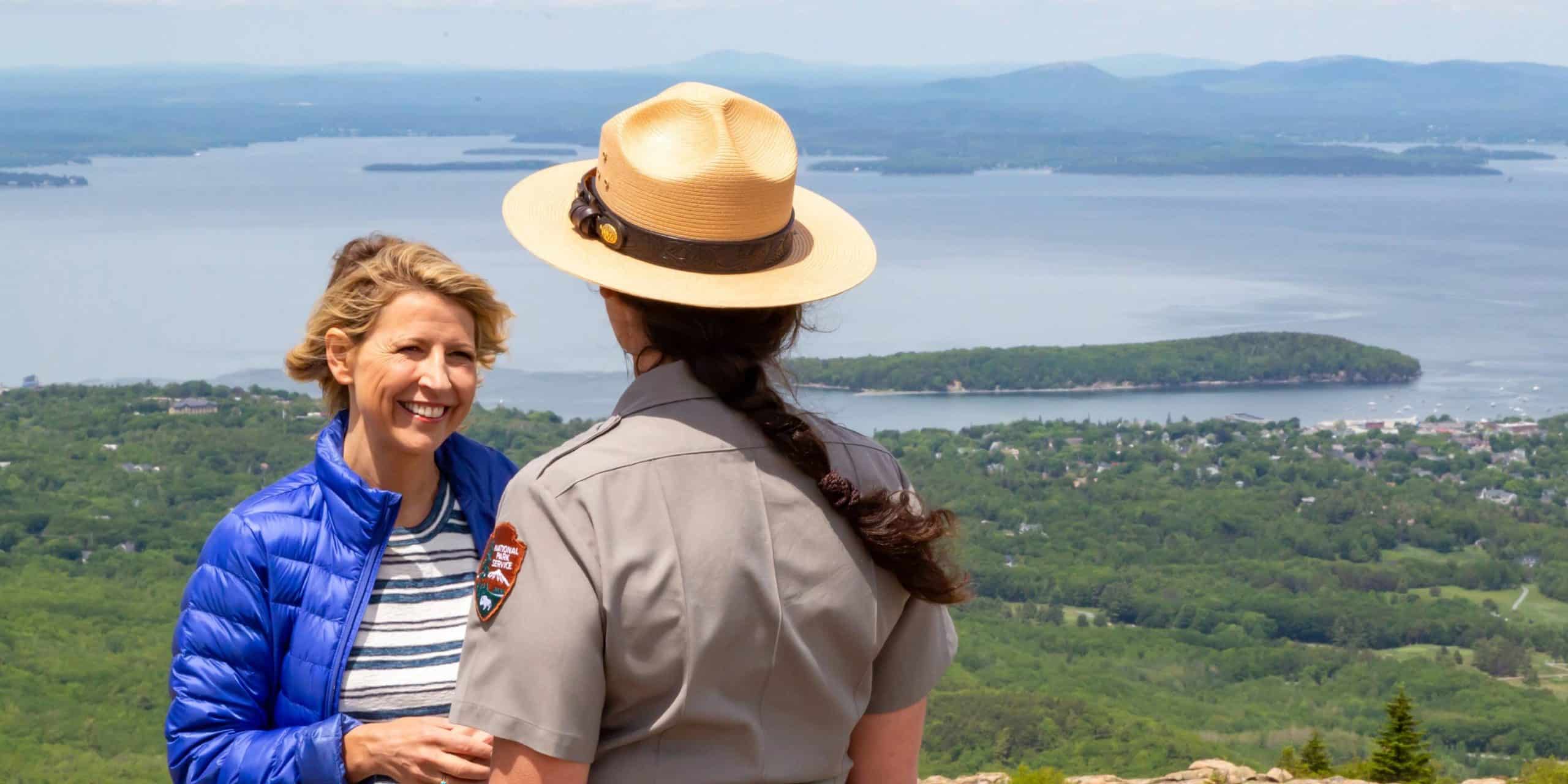
While the organization of the National Parks are split amongst departments at a federal level, the people you’ll meet and who see the day to day operations are known as Park Rangers. You’ll recognize them by their uniforms. Rangers are there to both help you with your visit as well as ensure visitors are treating the parks with respect. I’ve had the chance to chat with many of them for “Places to Love” over the years, and I’ve always found them to not only be extremely knowledgeable but also very passionate about their work.
Where to Find the Closest National Park
The official “National Parks” get the most attention, but you’d be surprised by how close one of the other units may be to you! All you have to do is go to their website, pick your state, and look at the map to see where to go!
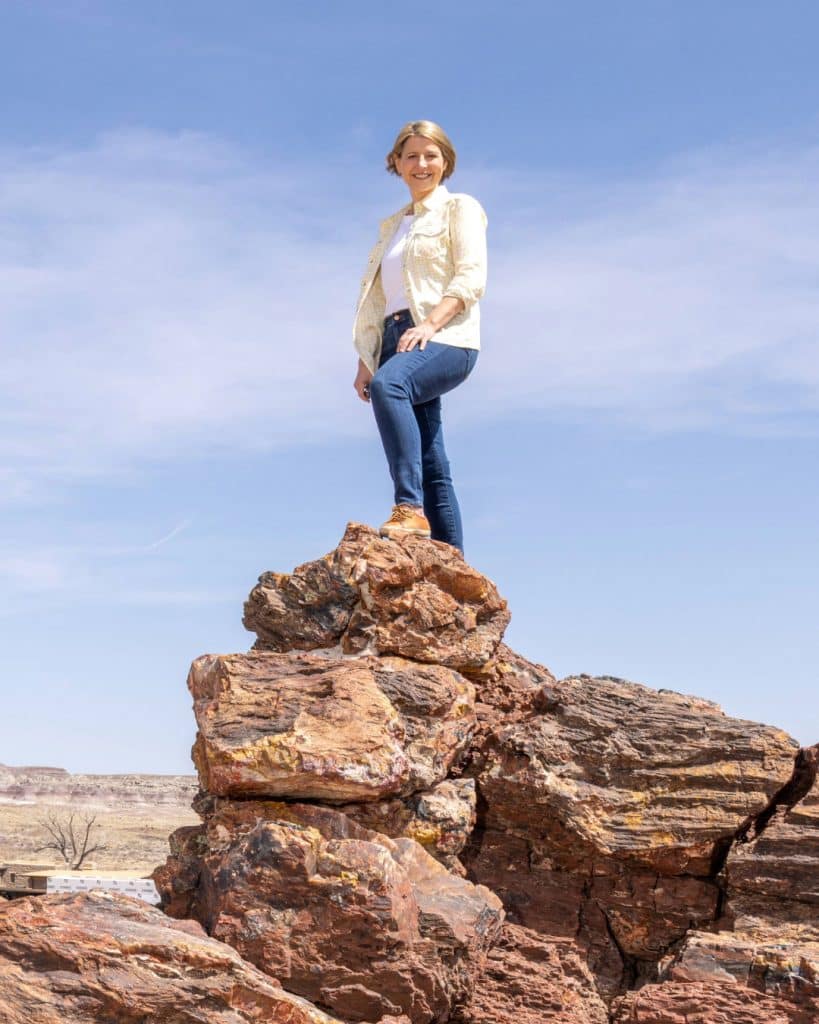
How to Plan for Your First Visit
Day Trip vs. Overnight
It depends on the park! Some of the smallest units may only need an hour or less while the bigger, more remote parks require a few nights at least. When planning, just take into account the park’s size, all there is to do, and how much work it takes just to get there. This is also a great time to look up “[Park Name] + Itinerary” and see what people say.
Passes, Reservations, and Permits
When you narrow down your park or parks to visit, look on the NPS website to see if they require any sort of pass, reservation, or permit. A lot of parks are free to come and go as you please, but the more popular ones will have some sort of entrance fee you have to book ahead.
And permits are usually only required in certain parks for certain activities, so unless you have something specific you plan on doing (like fishing or hiking certain trails), you shouldn’t have to worry about getting one.
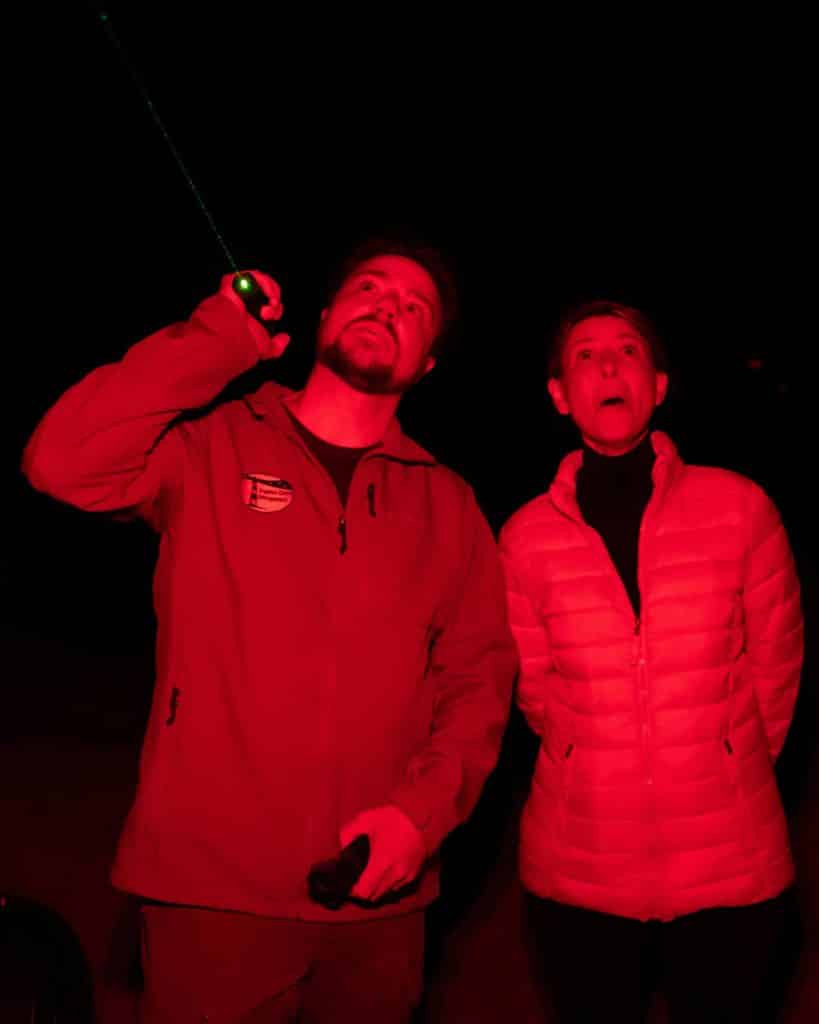
What to Do & See
Visitor Centers
By far the best resource for all national parks is their visitor centers. Every park has one, and you’ll find both rangers and volunteers to help you with any and every question you could have. You can even call most ahead of time with questions as you’re planning.
Bigger parks have multiple visitor centers. At least one will be fully outfitted with an interactive museum, rangers on duty, a gift shop, grocery supplies, and more. And if they’re not, they can point you where to go.
Park Activities & Tours
Whichever park you choose to visit, take a look on the NPS website to see what kind of activities and tours they offer each day. Just go to their “Plan Your Visit” page and look for the Calendar or Things to Do links. Depending on the park, you’ll find everything from Ranger-led hikes to history talks and more. In Yellowstone, for example, they offer hikes, a program on experiencing wildlife, a porch talk, a mud volcano talk, and more.
Junior Rangers Programs
If you have kids who love the outdoors, look into their Junior Ranger program. Again, each park that has a Junior Ranger program will have a specific page with more details on what they offer.
Tips for Packing & Preparing Your Visit
I cannot emphasize enough how thorough the National Parks Service website is in preparing any visitor! Many park sites will have a recommended packing list or what to expect when it comes to the park conditions. I always check their list and then look up other recent visits on social media or blogs to get a first person overview. I find it’s helpful to learn from others, especially if they do similar activities in the same season I plan on going.
Download the NPS App
And, of course, to make your life even easier, download the NPS App. It’s pretty much all the website information in app form, and you can download your respective park for use offline. This will come in handy when you suddenly find yourself with no cell service or wifi!
As a bonus, if you plan on doing a lot of hiking, I’d also recommend downloading and paying for an AllTrails subscription. This is the hiking app and can be better for navigation. Not only can you offload trail maps, you’ll have access to all their users’ reviews and advice. It’s also great because users will post photos and you can see where their photo would be on the trail map. It’s a nice visual aid!
Safety and Mindfulness When Visiting
Leave No Trace Behind
Really this should be your motto anywhere you go! The whole point of the NPS system is to protect and conserve these lands for generations to come. Leave no trace means no trace. And, yes, that means your literal poop if you’re hiking in a more remote park!
Lack of Cell Service & Wifi
As I mentioned above, many parks do not have cell coverage. Just be prepared and offload what you can beforehand. I’d also grab a physical map from the visitor center just in case!
Potential Safety Issues to Consider
Here are just some other safety concerns to consider (again, each park site will have these things listed specifically):
- Weather and Natural Disasters – Before you go, check the weather and check your parks’ website for any emergency closures. Sometimes a simple road closure can change your itinerary significantly.
- Knowing Your Limits – This is especially true with hiking or camping. It’s always good to know your physical limits whether it’s heat exhaustion, elevation sickness, dehydration, or fitness. If you’ve never hiked a day in your life, the half dome at Yosemite is probably not a good first experience!
- Wildlife – The parks are dedicated to preserving all wildlife, and that includes the creatures that call these places home. Be smart and aware of your surroundings. Do not leave food out for them to find, and do not engage with them in any way, shape, or form. Admire from a distance!
- Stay on Trails – In the same vein of staying safe and respectful of the park, always stay on the trails and do not venture off. They’ve been created for a reason!

ALWAYS Be Respectful
And to finish off this guide, I’d like to remind you to always be respectful when in the parks. Be respectful to the land, to the wildlife, and to the rangers and people who help the parks run every day!
Any advice you’d add? Let me know below!
Related Posts


Comments (0)