
"Second" or "B-side city" refers to a destination often less well-known than its bigger counterpart in the same…
8 Cool Facts About Cajun Culture
Cajun culture is one of the most unique and best preserved cultures in the country – and the majority of us have barely heard of it! Or, if we have, it’s through the typical Hollywood stereotypes. I can attest that after my visit, those stereotypes couldn’t be further from the truth. There’s so much to love about this culture, and I had a blast learning the ins and out when I visited Lafayette, the heart of Cajun country in Louisiana. Here are just some of the cool facts I learned!
Watch our “Lafayette & Cajun Country, Louisiana” episode below
8 Cool Facts about Cajun Culture
1. The name “Cajun” comes from the Canadian Maritimes
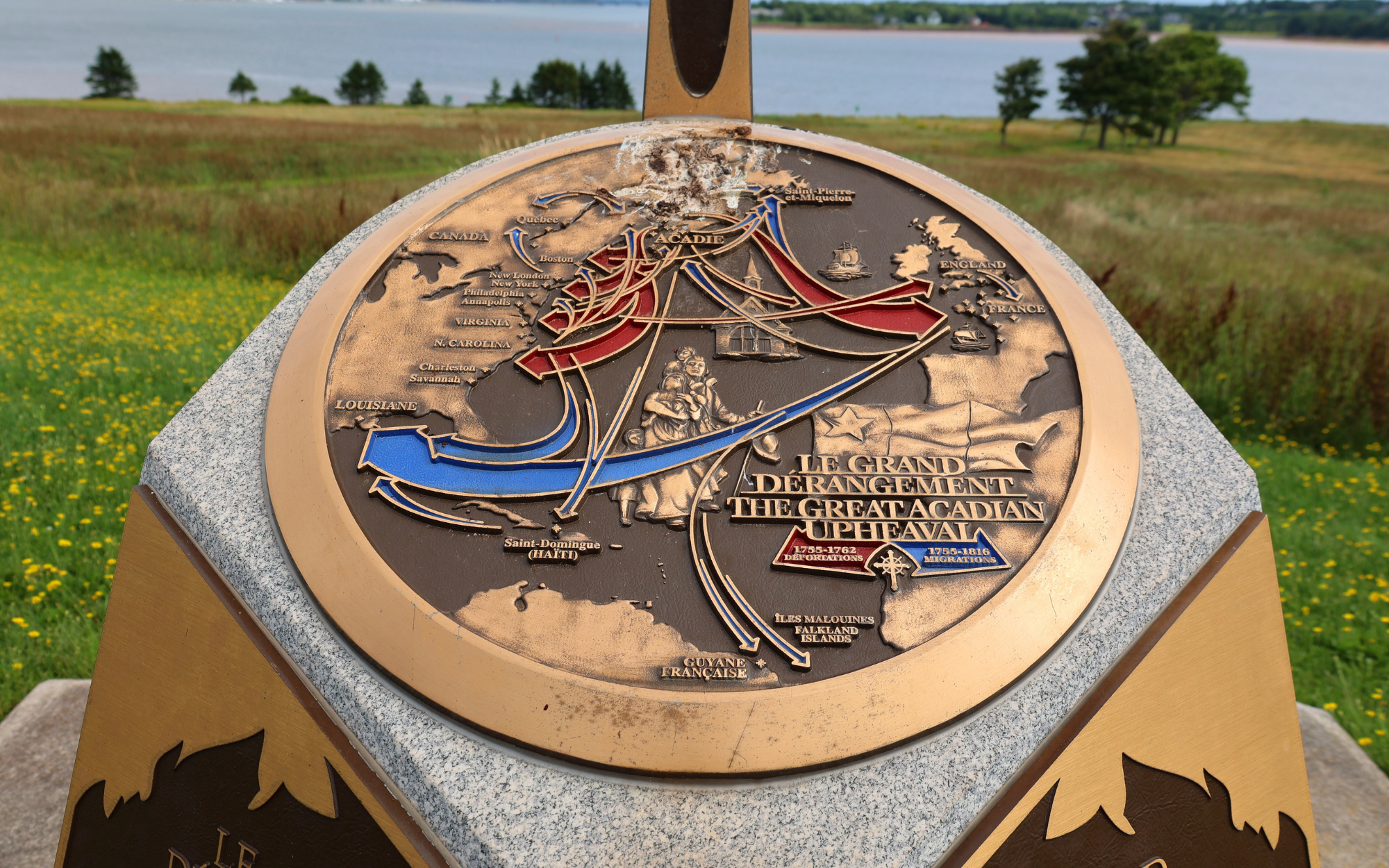
How did they get the name “cajun” exactly? Well, Cajuns in Louisiana are actually immigrants from The Maritimes in Canada. Under French rule, this region was known as Acadie and its people les Acadiens. Soon that became le ‘Cadiens, and then when more Americans came into the picture and couldn’t pronounce cadien, it became Cajun!
2. The Cajun language isn’t an English dialect but a French one.
Funnily enough, the Cajun language isn’t an English dialect but French, and if you visit Lafayette or anywhere in Cajun country, it’ll actually be helpful to learn some of the French words listed here.
And even then, Cajun French is very different from modern French. Cajuns generally come from Aquitaine, Normandy, and Brittany, three regions in France that had their own dialects different from Parisian French (aka modern French). On top of that, once they were in Nova Scotia and Louisiana, they often borrowed words from local neighbors, making Cajun more and more unique as the years went by. It’s apparently the only modern North American language to undergo as many changes as it has!
3. Cajuns are in Louisiana thanks to the Spanish.
Like many American immigrant stories, the Cajun one is also one of adversity. As I mentioned above, Cajuns originally come from the Canadian Maritimes and the Cajun dialect started in Nova Scotia. How exactly did thousands of people end up so far south in such a different climate?
It’s called Le Grand Derangement. Following a series of wars, the British gained control over Acadia in the early 1700s. For almost half a century they not only tried to get the 18,000 Acadians living there to pledge their allegiance to the British crown but to also convert them from Catholicism to Anglicanism. Finally in 1755, English governor Charles Lawrence arranged for the mass expulsions of Acadians, separating families, and forcing thousands out to sea where half would die.
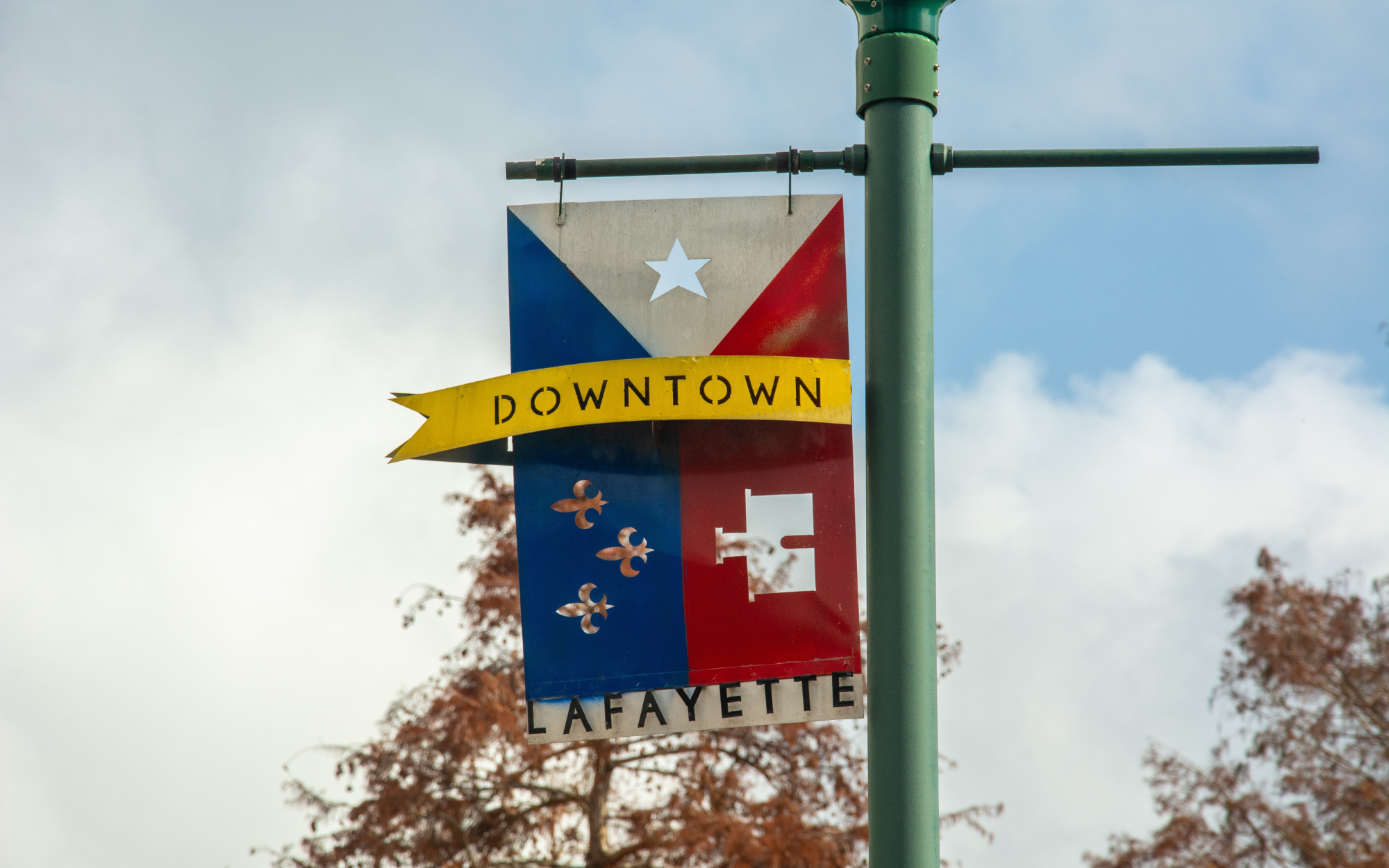
For thirty years, Cajuns tried to find a new home without much luck. That is until the King of Spain allowed them into Louisiana, which was under Spanish rule at the time. (This is why part of the flag of Acadiana pays homage to the Old Arms of Castile.)
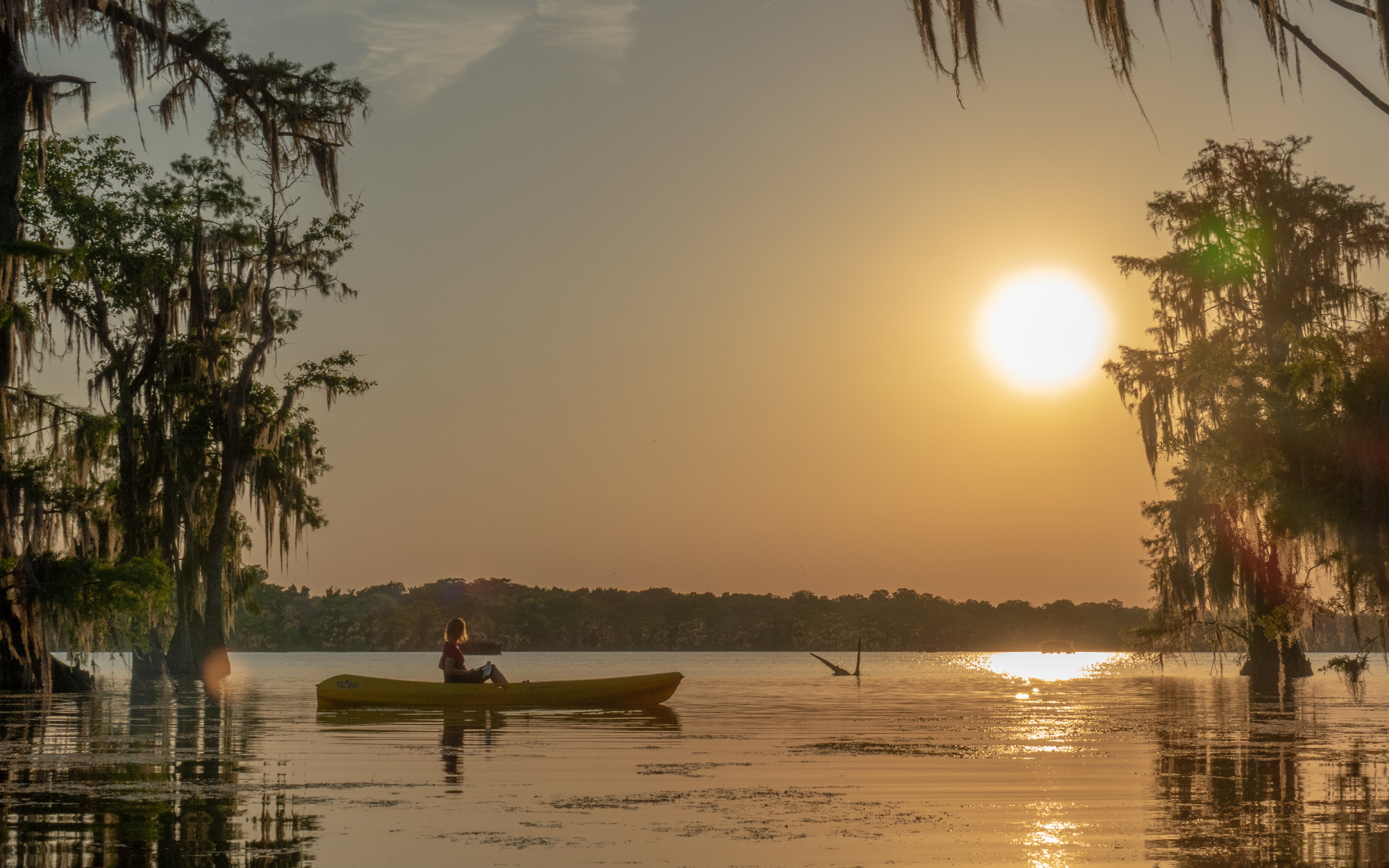
They wound up in more unsettled territory around the bayous, and this is where Cajun Country, or more officially known as Acadiana, is now. One of the earliest settlements, Vermilionville, became present day Lafayette. You can visit Vermilionville Living History Museum to learn more about these early days and just how much Cajuns have fought to preserve their culture.
4. When it comes to Cajun religion, Catholicism still reigns supreme – with a twist.
I don’t know about you, but when I think of religion in the Deep South, I imagine Baptist churches with lively choirs. However, when it comes to southern Louisiana, however, Catholicism is the practice of choice. It makes sense when you realize that was one of the reasons Cajuns were forcibly expelled from Canada in the first place!
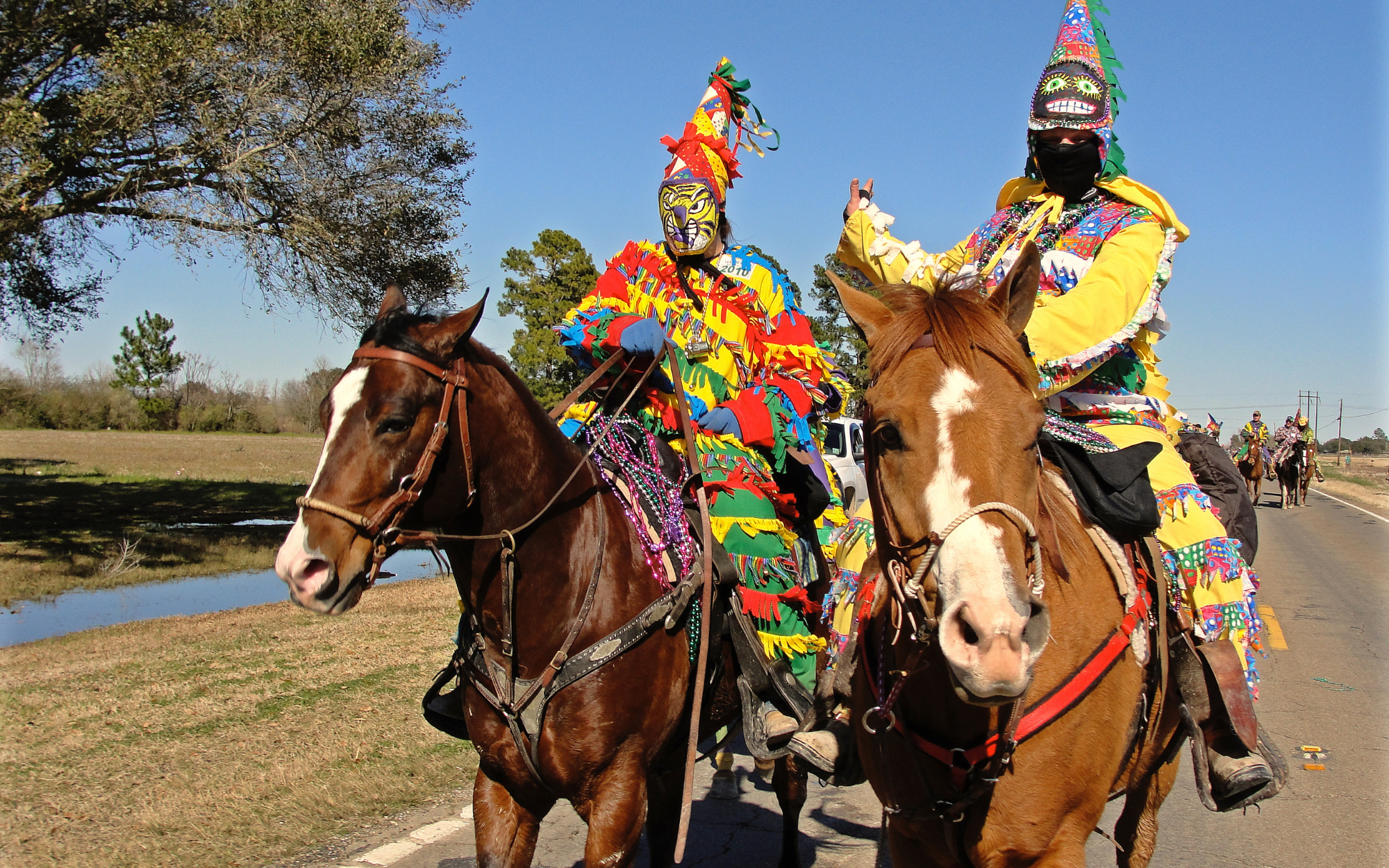
However, like with all aspects of Cajun culture, they put their own twist on Catholicism. One example is how Cajun Mardi Gras is celebrated. Over in New Orleans, you’ll get bright colors and fun, flashy parades. In Cajun country, you’ll get a more rustic celebration known as Courir de Mardi Gras. One of the traditions is that groups will go from house to house begging for food and in the end make a huge gumbo for the community. YUM!
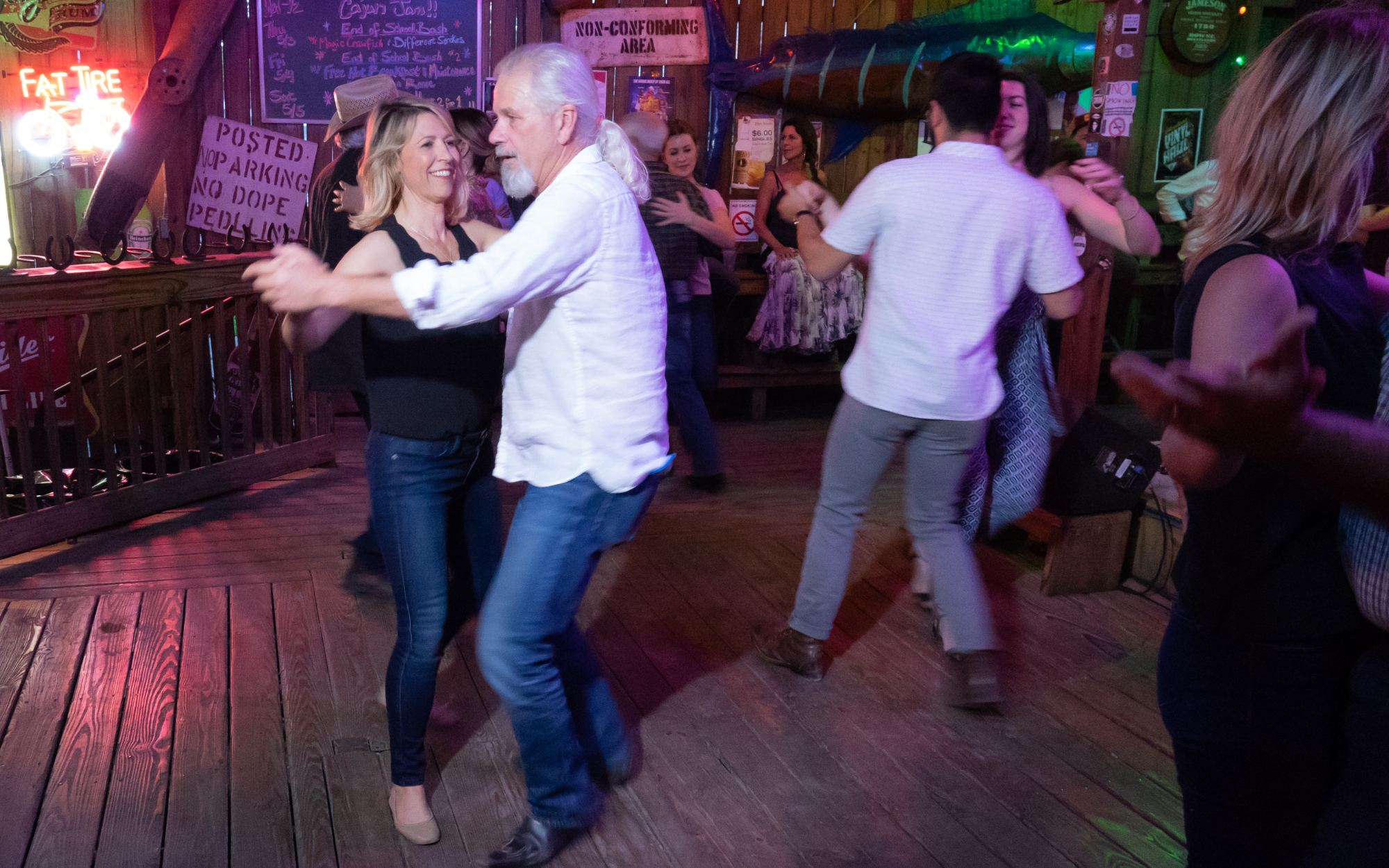
5. Cajun and Zydeco music are separate genres but influence each other like cousins
There are two styles of music often associated with Cajun country – Cajun and Zydeco. They’re two separate genres but influence each other constantly and are often mixed together to create a new sound. As Wayne Singleton of Wayne & Same Ol 2 Step puts it, they’re like first cousins.
Whatever you do, if you visit Cajun country do not miss out on enjoying some live Cajun and Zydeco music. Look for a fais do-do (pronounced fay doe doe) and get ready to dance until your feet fall off! Don’t worry if you don’t know what to do – in classic Cajun spirit, someone will help you out if you can work up the courage to get out on the dance floor.
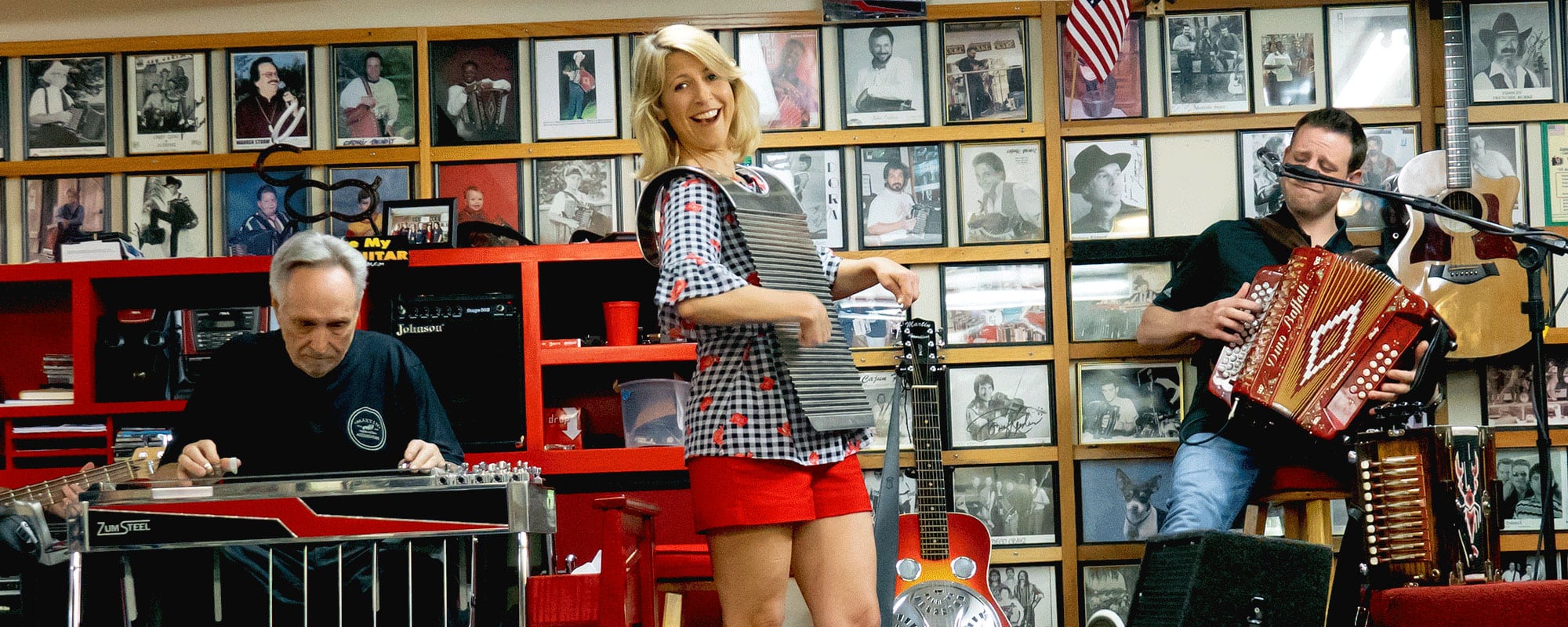
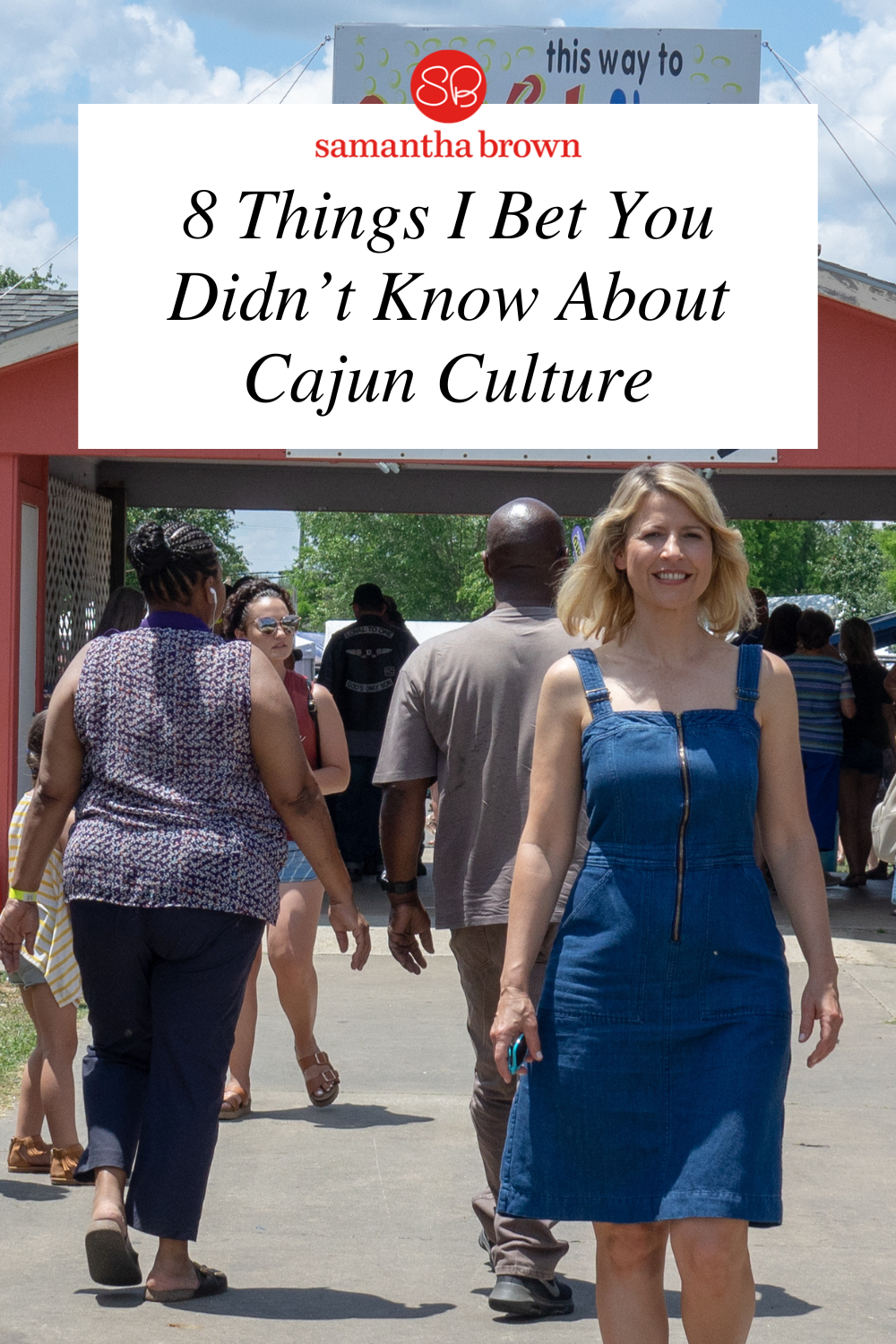
One of the best parts of Cajun and Zydeco music is the way the band will feed off the dancers. The dancers dance for the band and the band plays right to the dancers. I experienced this first hand at the Breaux Bridges Crawfish Festival. Like the name suggests, it celebrates all things crawfish. However, with over 30 bands that play throughout, it’s also one of the best places to experience live Cajun and Zydeco music.
Speaking of crawfish…
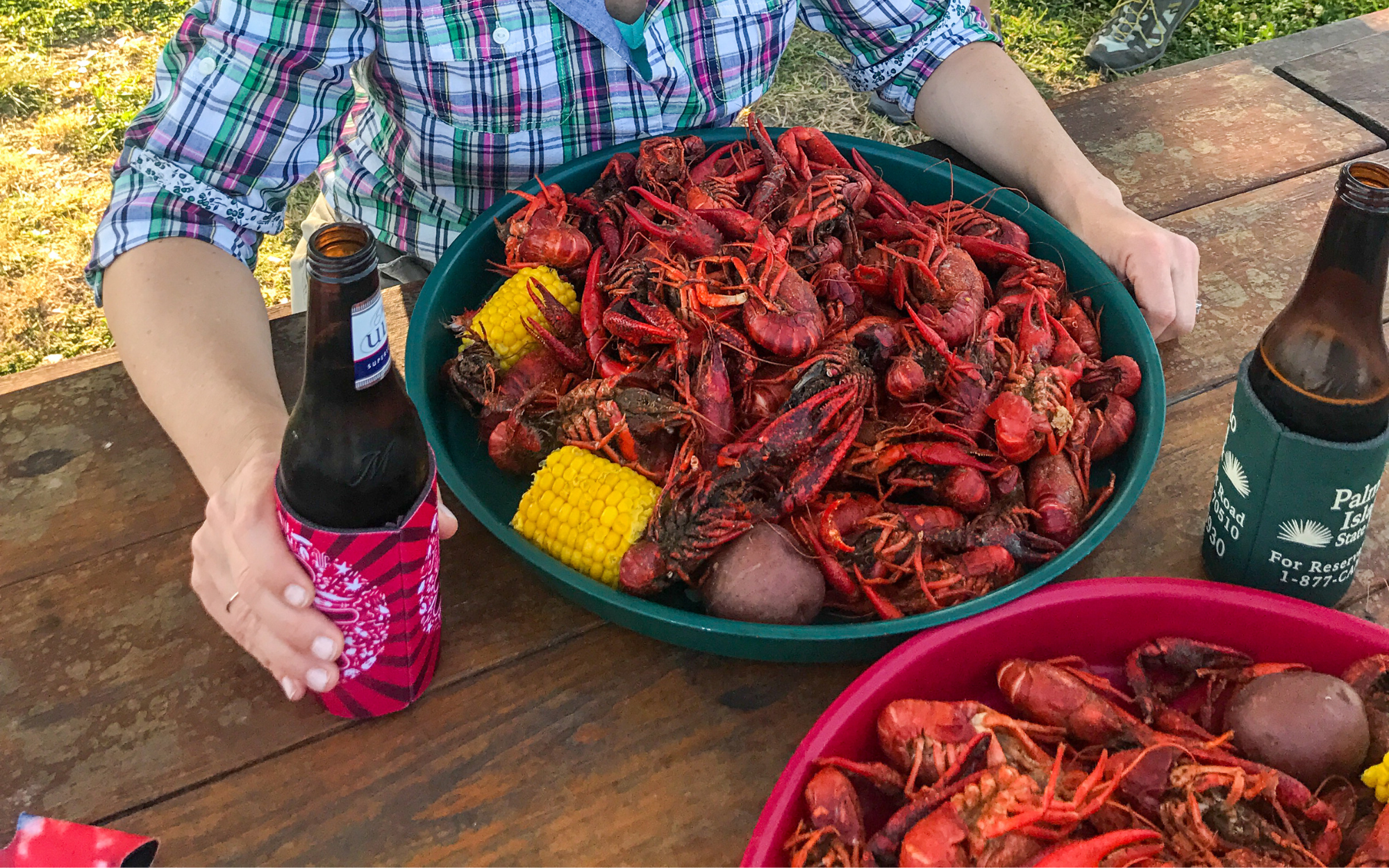
6. Crawfish isn’t seafood!
One of the the most delicious aspects of Cajun cuisine is a good, ole crawfish boil. I went to Mrs. Rose’s Bed and Breakfast, which is the only bed and breakfast in Acadiana (and probably all of Louisiana) that also offers crawfish excursions. We went out to catch some of these creatures, and then I attempted to eat my way through five pounds of them!
Here’s a little known fact, though. While crawfish shares a lot in common with seafood staples like lobster or shrimp, it’s not seafood at all for one reason – they’re only found in freshwater!
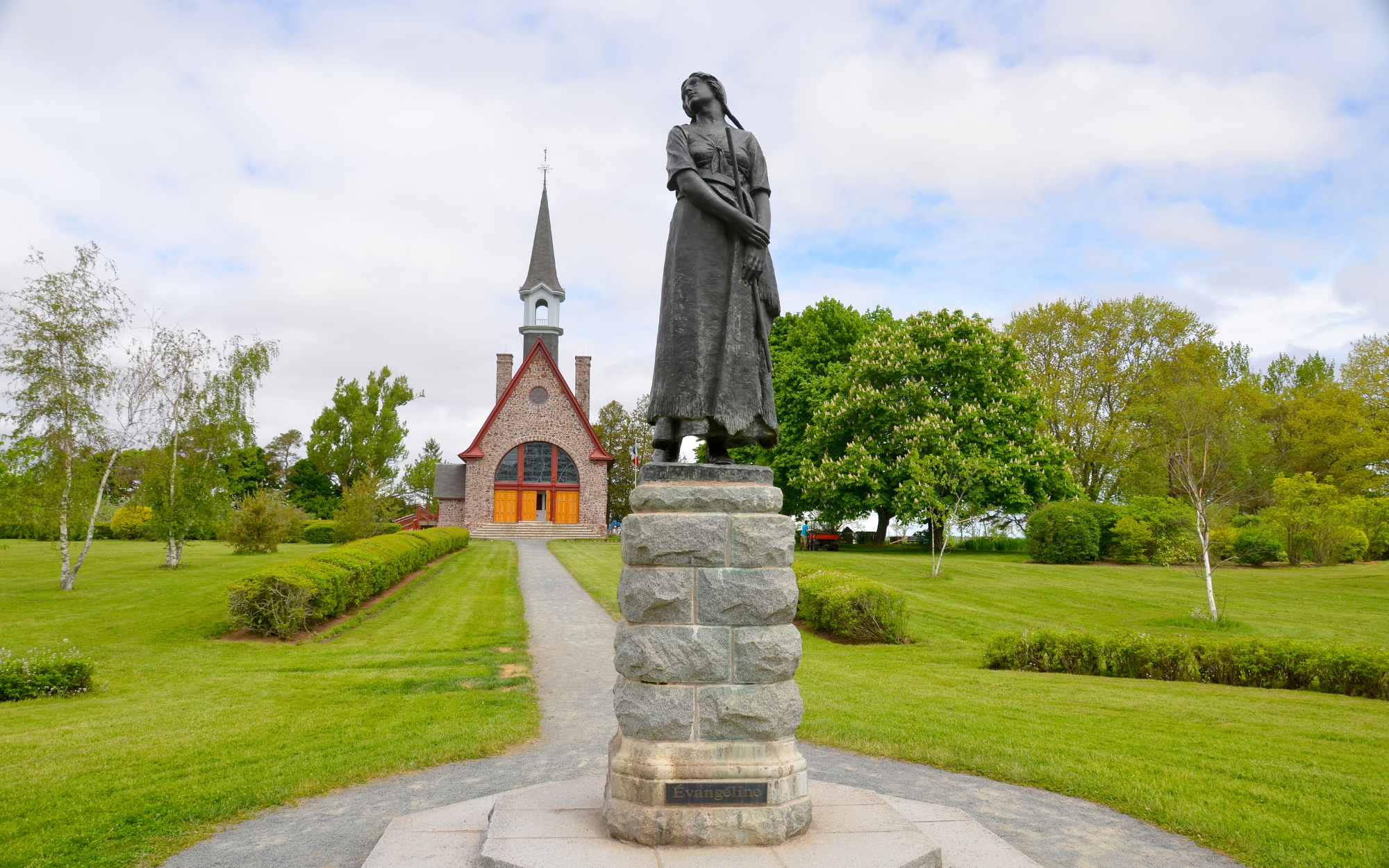
7. Cajun culture is curiously tied to Henry Wadsworth Longfellow.
Henry Wadsworth Longfellow was a fireside poet best known for translating Dante Alighieri’s Divine Comedy and for poems that helped define early American identity. He had never been anywhere in the Canadian Maritimes or down to Louisiana, much less Acadiana. Oh, and all his ancestry came from English colonists.
So why exactly does he have any ties to Cajun culture?
One of his most famous poems, “Evangeline: A Tale of Acadie.” This poem tells the tragic story of Evangeline and Gabriel, lovers separated on their wedding day thanks to Le Grand Derangement. When Evangeline finally makes it to Louisiana and learns she’s just missed Gabriel, she spends her life searching around the American frontier for him. Eventually she gives up and joins the Sisters of Mercy in Philadelphia, finding her love years later on his deathbed.
While Evangeline and Gabriel are fictional characters, their story represents the very real tragedy Cajuns faced during the mass expulsion and manages to portray their resilient spirit.
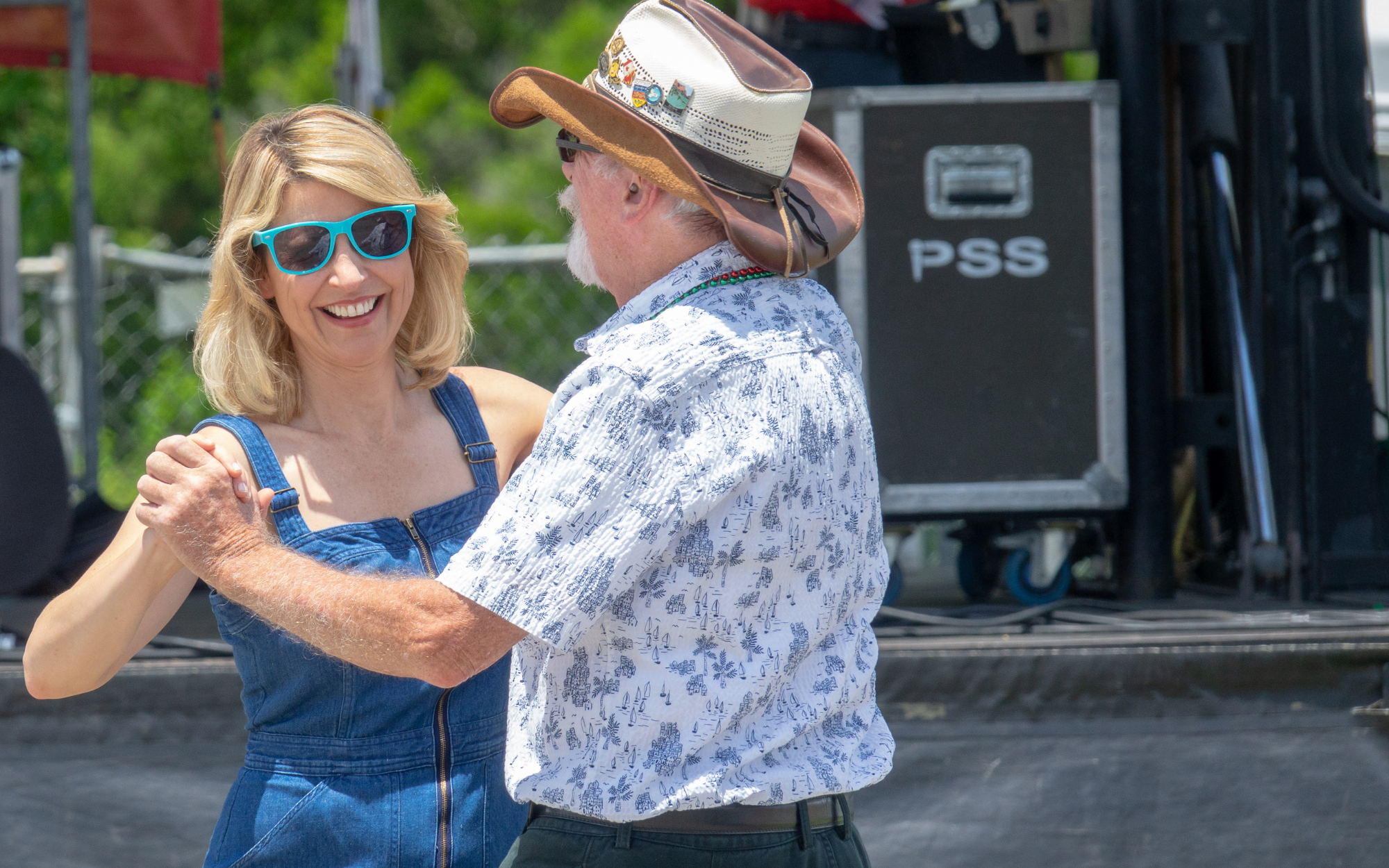
8. Cajun culture is ultimately enjoying life!
The French invented the term joie de vivre and it seems that this mentality continues to live on with Cajun culture despite their years of hardship. Talk to anyone in Cajun country, and they’ll smile and tell you that no matter what, they’re able to enjoy life and find the good. In fact, Lafayette was recently named the happiest city on earth!
I feel like the best way to really see this approach to life in action is to look at how Cajuns rallied and saved their culture and language. During World War I and after, the United States was focused on forming a national identity and did its best to tamp down on regional cultures like Cajun and Creole, pushing them towards English and away from French.
After World War II, though, there was a huge push to both preserve and share Cajun culture with the country. This all accumulated with the Council for the Development of French in Louisiana (CODOFIL), which helped Louisianans no longer feel ashamed of their French heritage.
In classic Cajun fashion, CODOFIL organized the very first Tribute to Cajun Music Festival in 1974, using music to get younger Cajuns engaged. This festival has grown and evolved over the last fifty years so that it’s now called the Festivals Acadiens et Créoles and includes more than just music to celebrate the culture!
The best part of this joie de vivre mentality? It makes hospitality in Cajun country a way of life, not just some tourism buzzword. Remember, as far back as Acadia, Cajuns were mixing with neighboring cultures, sharing language, cuisine, and traditions. The Cajun culture we can find in Louisiana today has a mix of influences that just strengthen its uniqueness. They’re more than happy to share their culture and welcome outsiders into the fold. As someone told me at our crawfish boil, a Cajun never knows a stranger.
Have you heard of Cajun culture before? What do you think of it? Let me know below!
Related Posts

Comments (0)